
Non-Fiction - Year 7 - 2026 Spring
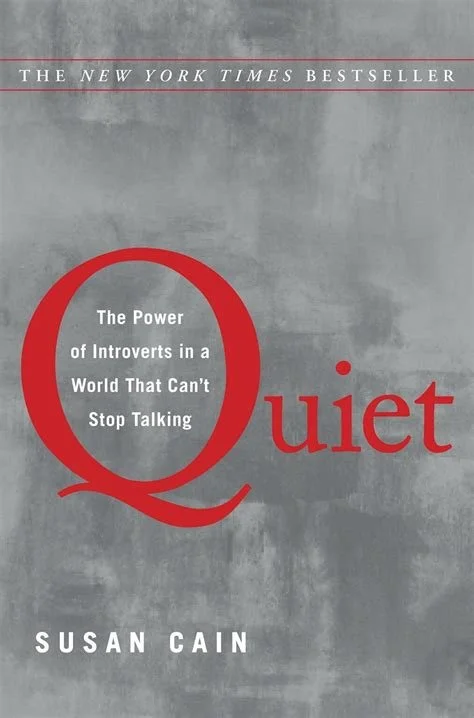
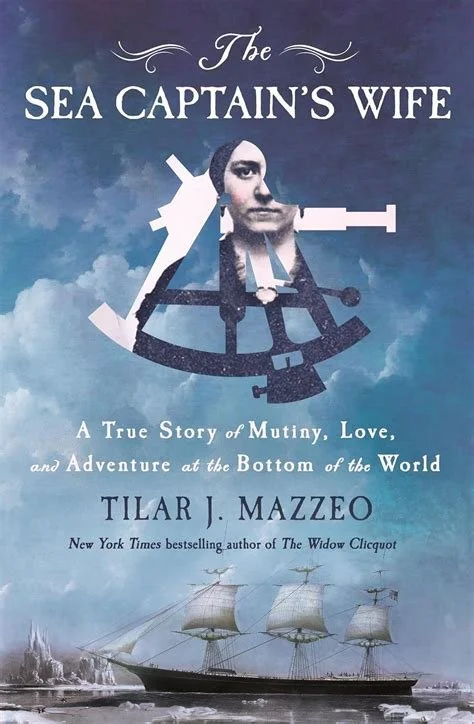
Quiet, The Anxious Generation, The Sea Captain’s Wife
Reading schedule
February 10 - Read 1/5 of your non-fiction book club book
February 24 - Read the next 5th (be 2/5 through the book)
March 3 - Read the next 5th (be 3/5 through the book)
March 10 - Read the next 5th (be 4/5 through the book)
March 17 - Finish the book! (be 5/5 through the book)
March 24 - Choose a culminating activity and complete it
April 14 - Present Culminating Activity
Weekly Assignments by Ms. Lisa
February 10 Read 1/5 of your non-fiction book club book
Read 1/5 of your non-fiction book club book
Discussion Questions: How does the author establish his or her credibility as a reliable reporter of information?
Write two of your own discussion questions. Answer one.
February 24
Deeper Meaning - Analyze one Quotation
Read the next 5th (be 2/5 through the book)
Choose a quotation you think is significant. Then complete an Above and Below Ground Form for that quotation. On the back side of that handout, draw an illustration of the what the quotation you chose means.
Find 3 examples of vivid verbs or powerful imagery.
March 3
Social Implications
Read the next 5th (be 3/5 through the book)
Answer: What are the social implications for society either today or in the past of the concepts in this book. In other words, so what? Why does this matter?
Write two discussion questions about these chapters. Your questions should be open ended so you can have an interesting conversation with your small group. Answer one.
March 10
Writer’s Craft
Read the next 5th (be 4/5 through the book)
Apply the Skim, Question, Answer (SQA) method as you read.
SKIM headings and subheadings and subheading before you read to get a sense of what the author wants you to learn from those sections
Form a QUESTION based upon the headings
ANSWER your question. If you can’t that means you either didn’t understand what you read OR asked the wrong question/made wrong assumptions about what the sections would be about
Answer these three questions:
How has the author organized their exposition or narrative? Strictly chronological? Or some other order? Do you think this order is effective? Explain why.
Find 3 examples of good transitions or other examples of excellent writing and bookmark those.
Describe the book’s structural features: such as point of view, tone/mood, organization, and sentence syntax (formal or casual? narrative or scientific?)
March 17
Reading - Finish the book!
Summarize the author’s argument
Choose one of the culminating projects below and make a plan for it.
April 14 — Finish at home Culminating Activities
Choose one.
Illustrated quotations. Choose three important quotations from the novel which reveal something important about a main character, topic, or theme of the novel. What do each of these quotations reveal? Create drawings to go with each quotation.
Create a public service poster warning of the dangers of ________________________. What are examples of how _____________________ affects _________________.
Create a poster or essay or comic strip about the thesis of Quiet or Anxious Generation or the plot of The Sea Captain’s Wife.
Create a social media post about an important issue raised or event in this book. Include a visual component, a heading that captures the meaning, as well as additional text details
Created by Lisa Clark-Burnell
April 21 & 28 - Start in class Writing Prompt
Start thinking about these writing prompt options. Students may also suggest a writing prompt or come up with their own subject to teacher approval.
LETTER: Write a letter to the editor/congressman / or _____________ (someone in a position to do something) about an issue raised in your text.
PURPOSE AND AUDIENCE: What is the author’s purpose in writing? Who is their intended audience? How is their writing informed by their purpose and audience (in other words, how is their writing different because of this purpose and audience?) Do you think they are effictive/achieve their purpose? Cite evidence to support your thesis.
THEME: What is an important theme from the text? Is this them implicit (implied but not directly stated) or explicit (directly stated). Cite evidence to support your thesis.
ARGUMENT: What is the author’s central argument? What persuasive tools did they use to make that argument? Think about: Is the text piece trying to teach/inform, persuade/make an argument, or entertain us?
Structural features:
Your writing will be a double, double hamburger paragraph format. OR if you want more space, you may write a five-paragraph essay
Formatting rules are: no more than five paragraphs and two pages double spaced, 12 point Times New Roman, Palantino, or Garamond font, 1 inch margins. Again, we will write this in class next time we have class. Bring a lap top. You’ll email me your work from class and you’ll turn in your outline which you did at home.
Created by Lisa Clark-Burnell