Real Life Farm Science 2026-27
Fall focus: ecology
make-up class is 10/29 - same time
Reminder: RFLS & Poetry Analysis make up class will be held Thursday, October 29, regular times.
Bonus day and Stay-late party for Thursday RLFS & Poetry classes is November 5, 11:30 to 1
Week 8 - October 22, 2026
Next week is our official last class for RLFS (and Poetry). We have a shorter bonus day with a party on 11/5.
Do students and parents want me to offer a four-week RLFS extension?
Thursdays: Nov . 12, 19, Dec 3, 10?
Content:
Direct instruction - ecology
Project time & Discovery Time
Train the Serama hens
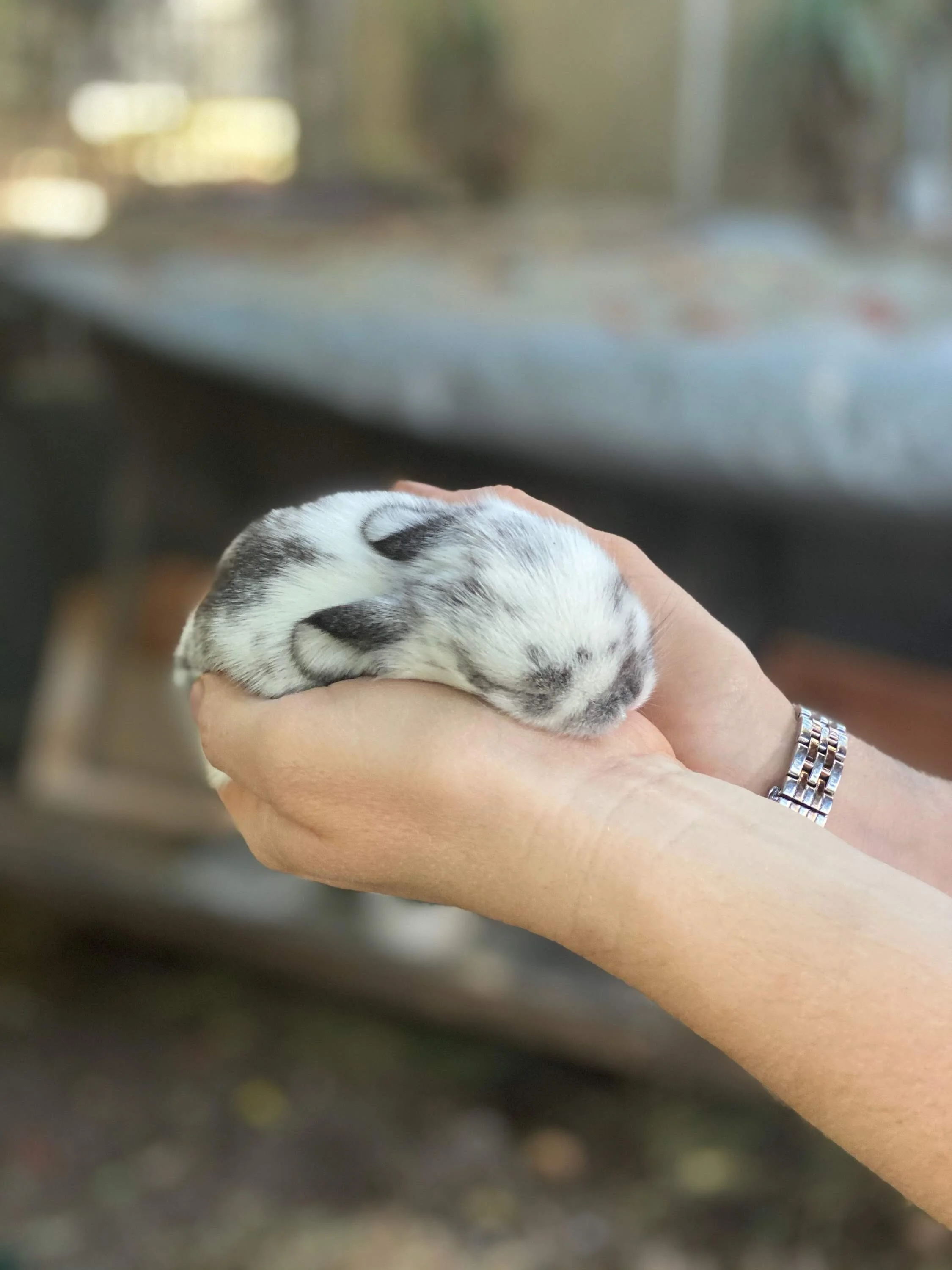
Build a rabbit hutch so we can get a second rabbit to breed in winter
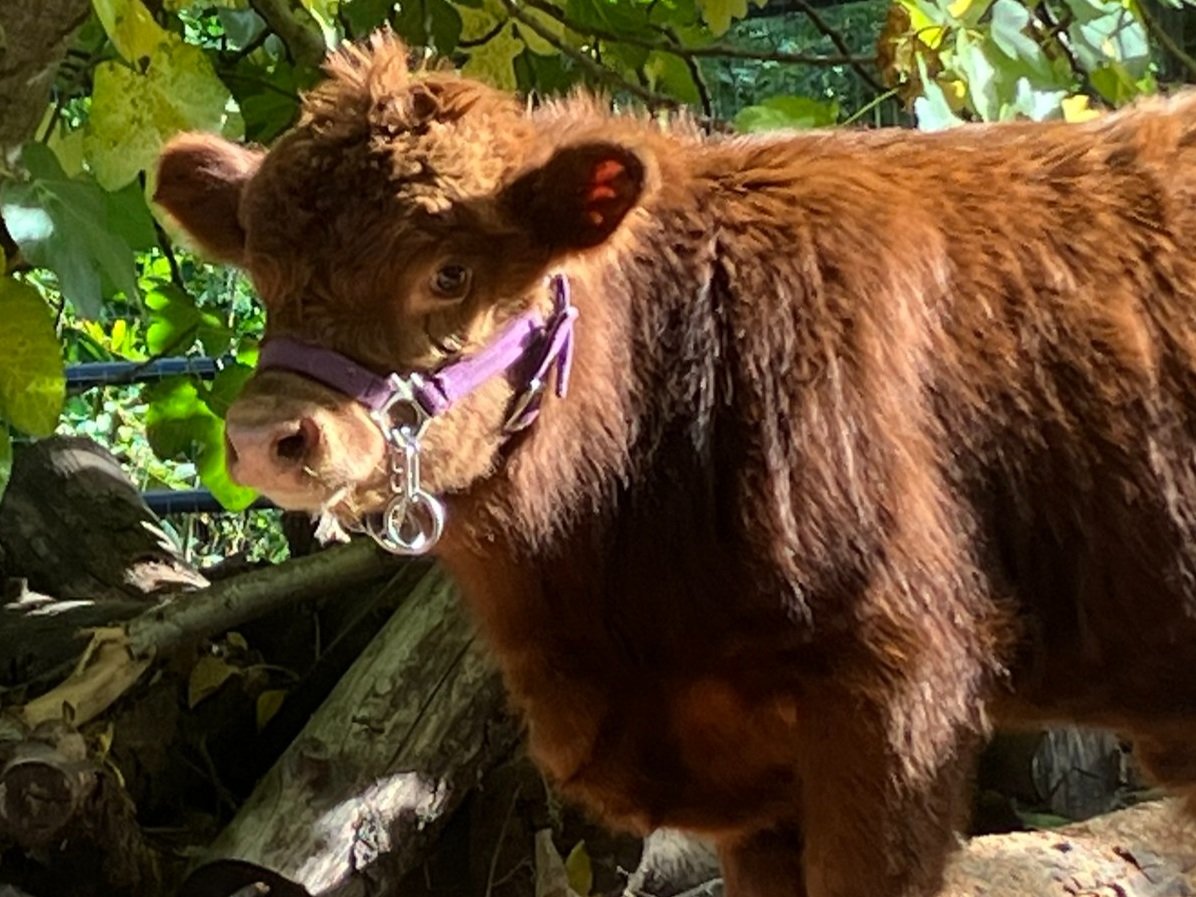
Animal husbandry - learn to groom the cattle
Farm Work
Lunch recess
Please fill out this form — it’s just two questions - yes/no, what time 11 or 12. https://forms.gle/25fxXtfxDtRf7dzE7
10/29 - Next week is our make-up day from when we cancelled due to extreme heat
11/5 - Thursday short BONUS DAY + party, combined with Poetry Analysis students from 11:30 to 1.
CLASS SUMMARY
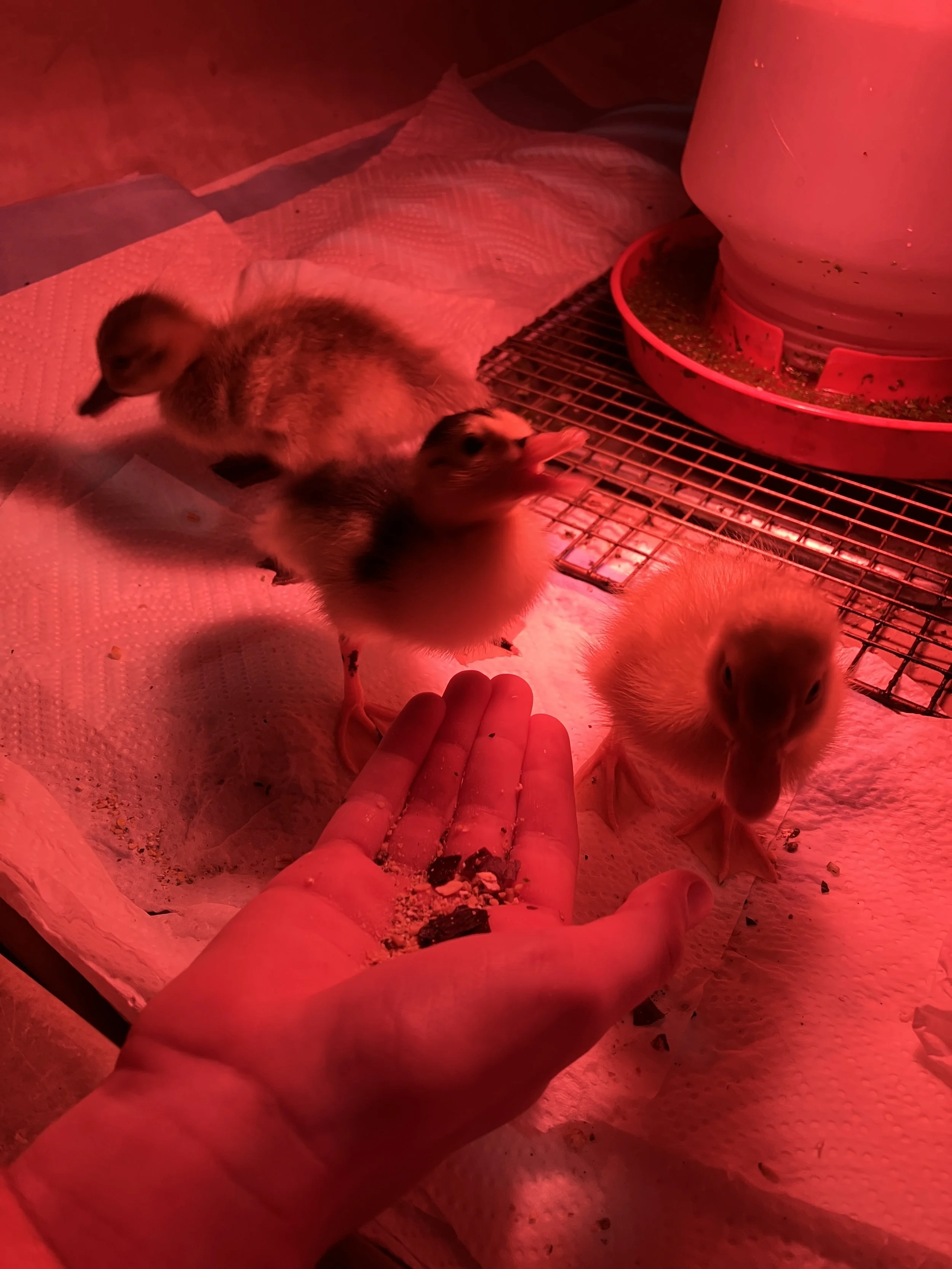
Discovery Time: all about our new Serama hens. How to acclimated them to being picked up (they don’t mind being held but are not a fan of being chased to get picked up. So we are training them to come to us for food and let us pick them up.)
Team project time—reading and taking notes on a new animal for final presentation.
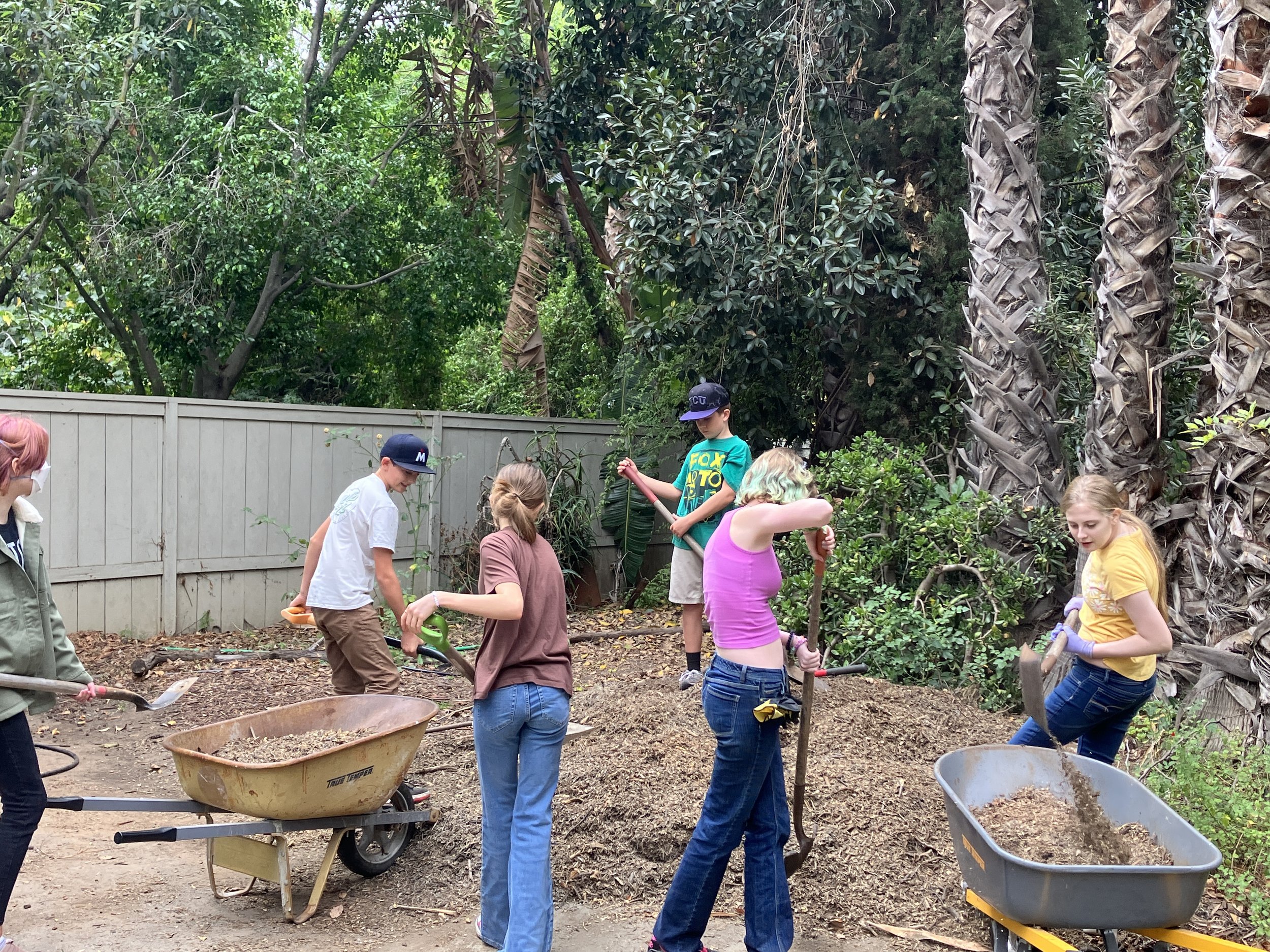
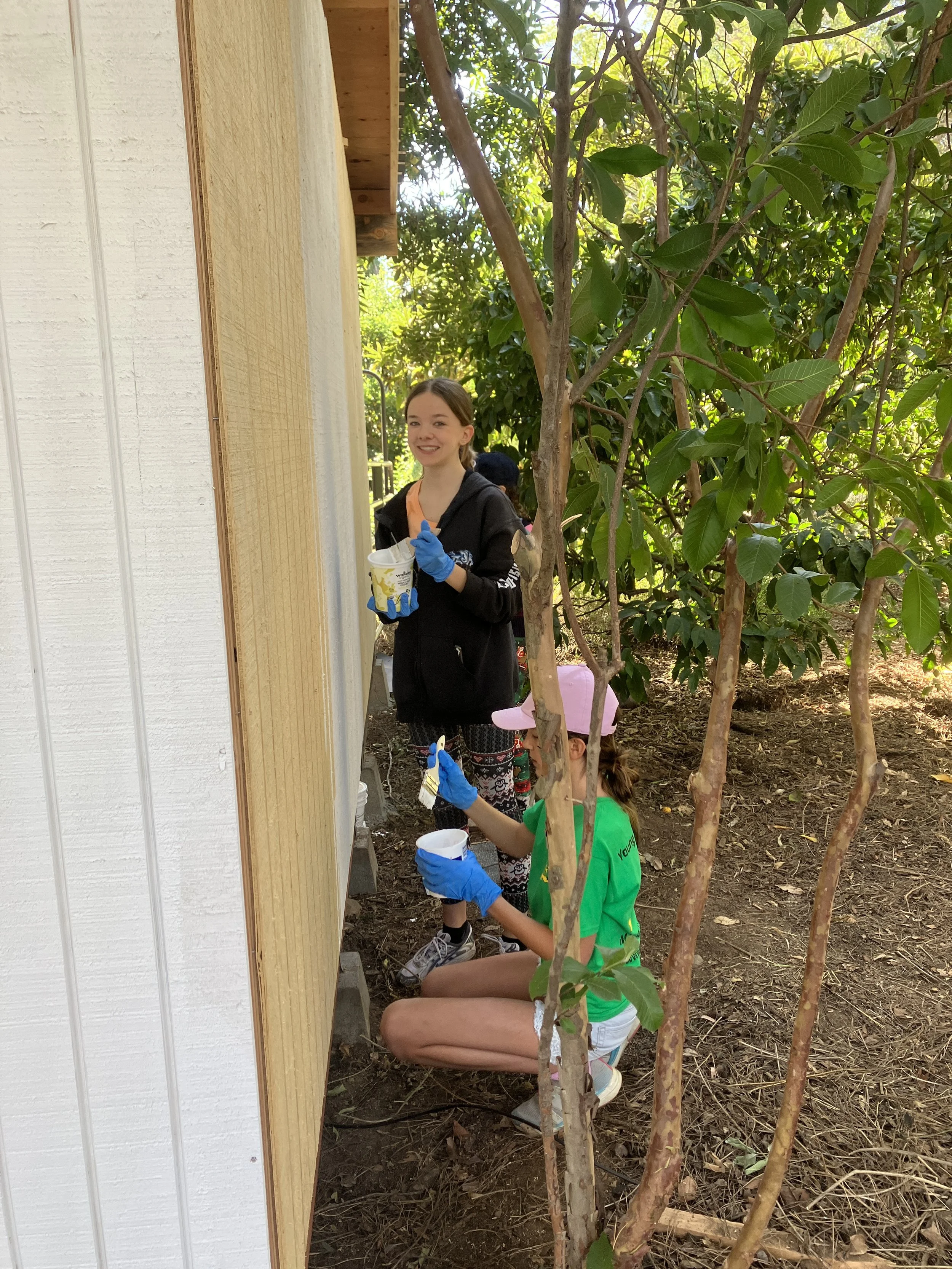
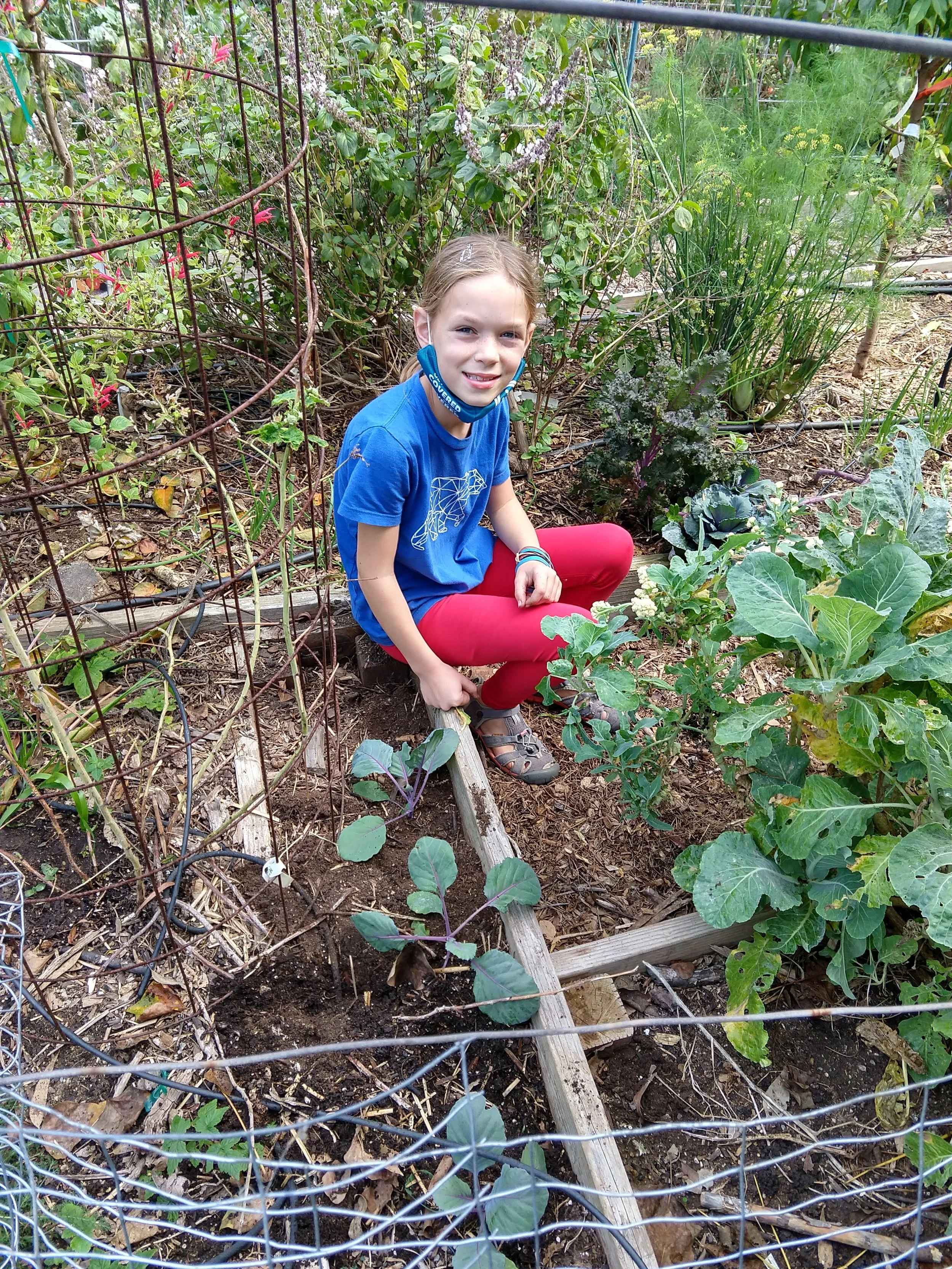
Farm Work — harvesting pineapple guavas, kale, feeding rabbit and chicken, mulch for dry corrals
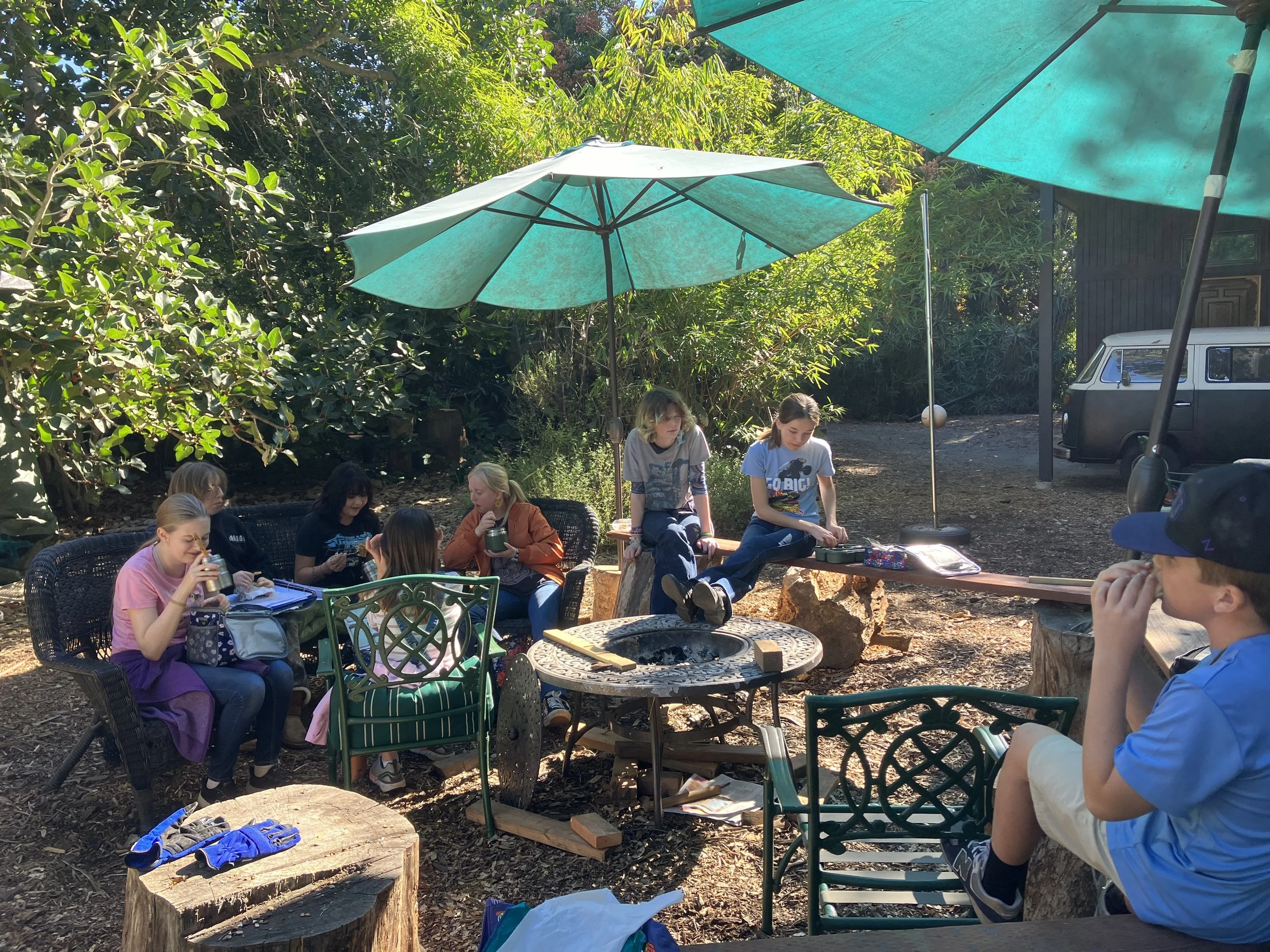
Lunch recess together
Week 7 - October 15, 2026
CLASS SUMMARY
Discovery Time: Ecology — symbiotic relationships lecture notes.
In addition to learning about different relationships between animals (commensal mutual, and parasitic),
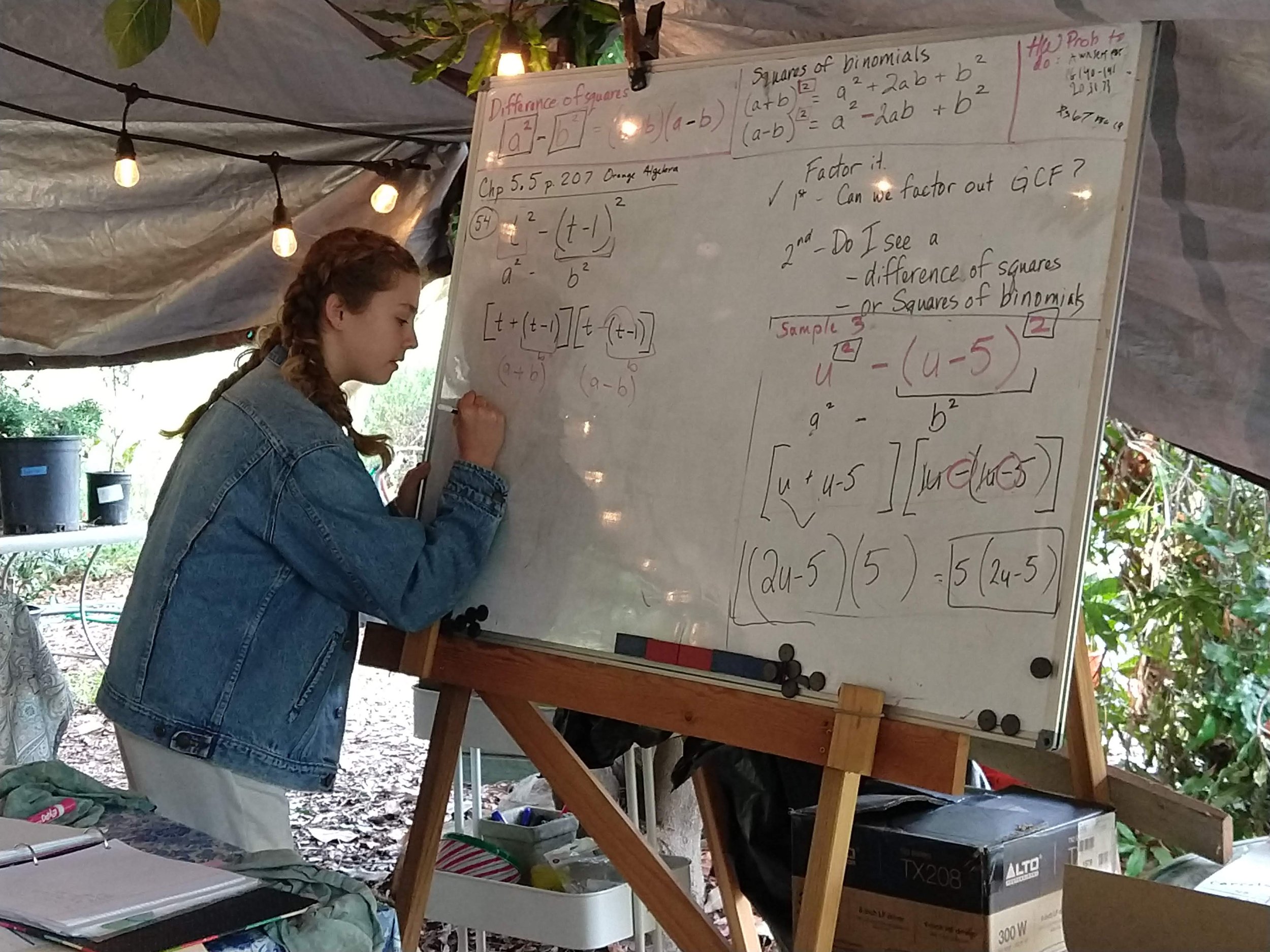
Students are also learning how to take notes. This is a cognitively complicated task: one is listening, making meaning from what one hears, deciding what is important to record, encoding what they hear into words on a paper. To make this process a bit easier, I model note taking by writing key phrases from my lecture on the board. Students decide how much of what I write they should also write.
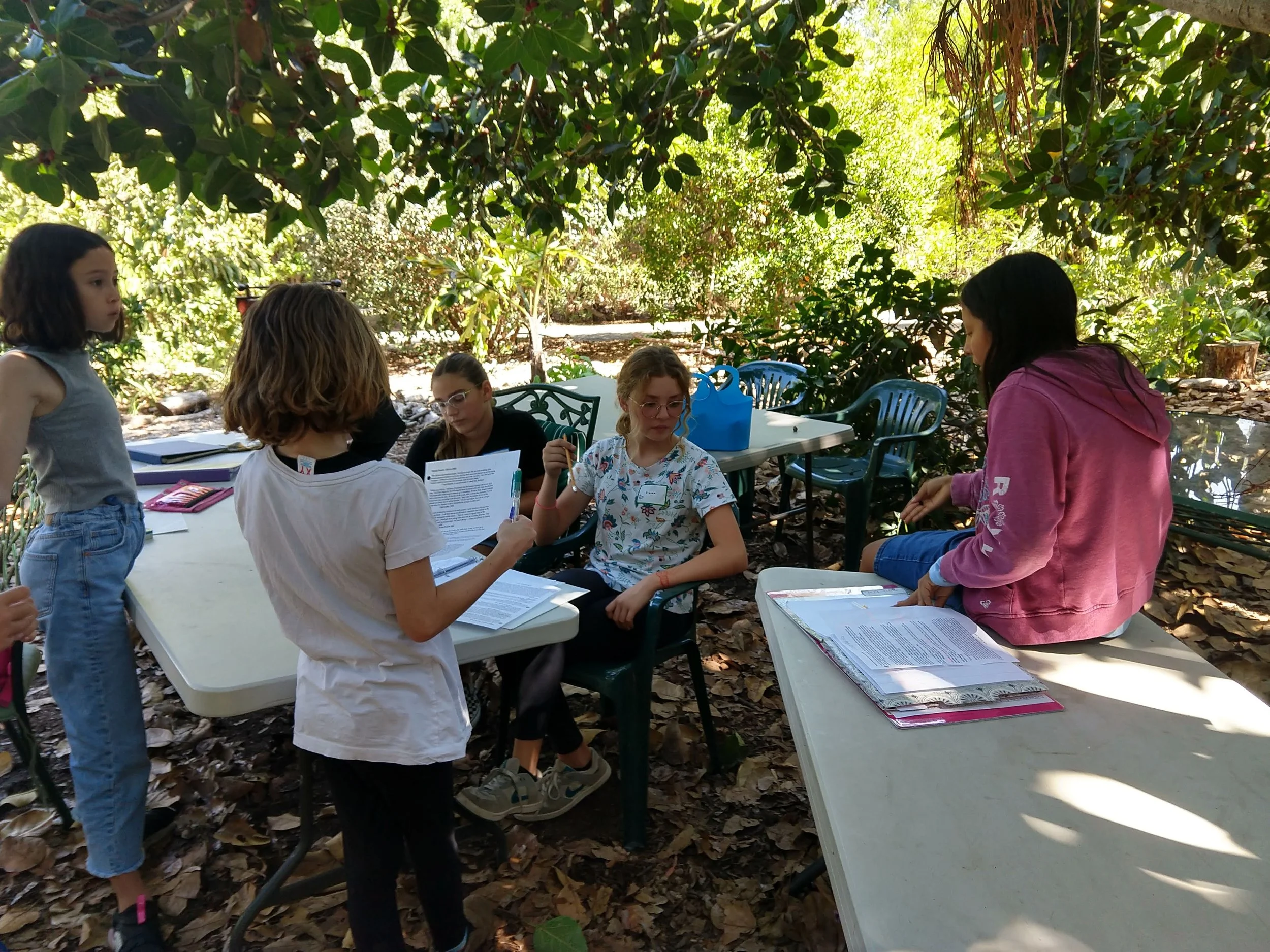
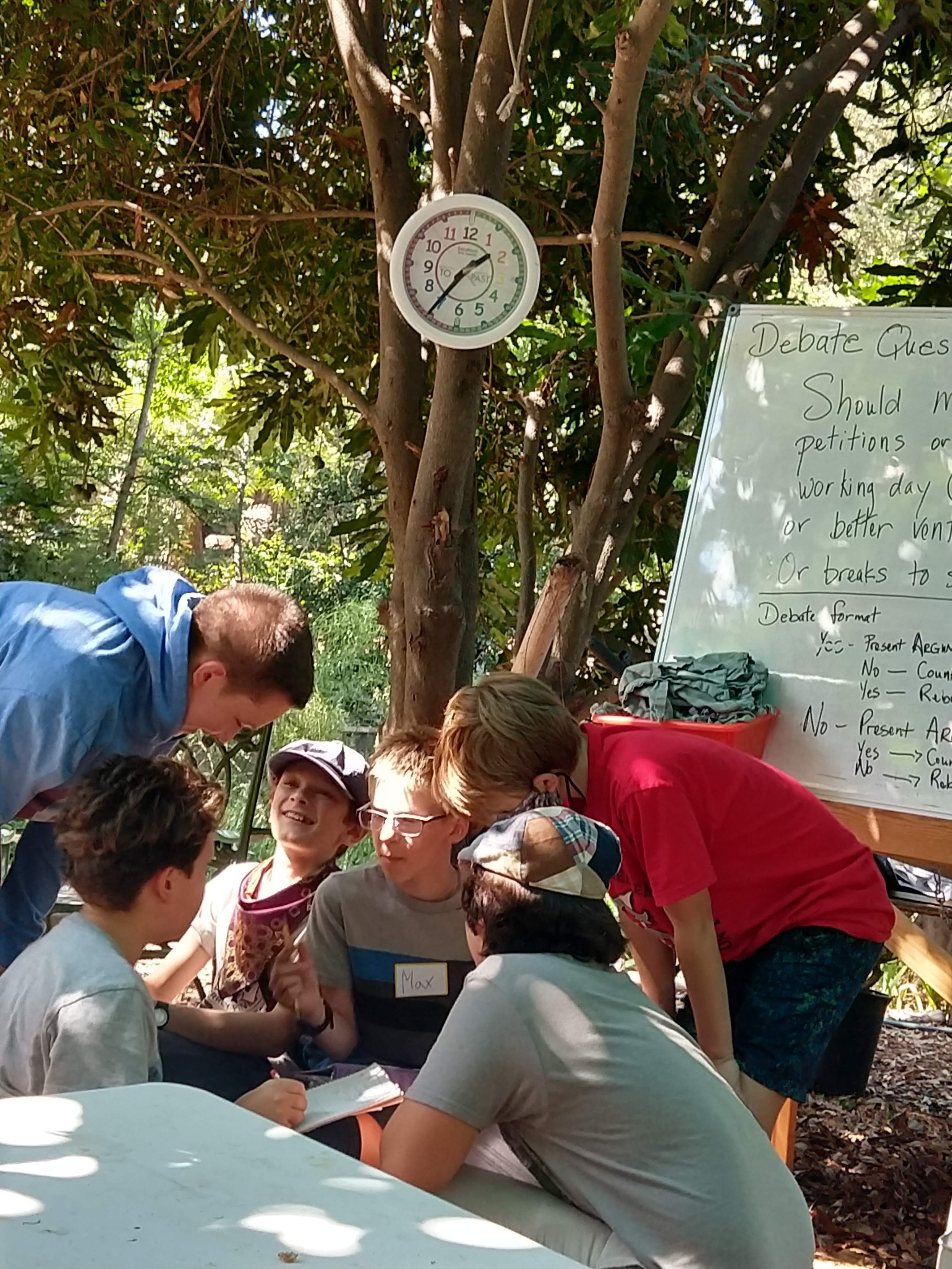
Team project time—presenting posters and starting new presentations about new animals. This activity has multiple layers: first it is social as students work together in teams of two to four. They negotiate to select an animal that they all can agree to learn about. Next they each read different sources and take notes on their animal. This requires them to distinguish: what is important? What is interested to me and possibly to my classmates? What is NOT important? Next their team decides how to create a poster to teach their team mates about their animal. Students decide how to summarize key points (we use short phrases and bullet points not complete sentences) and how to display their information. Finally students practice presenting their information, taking turns sharing information, then they present their poster to the class.
Farm Work — harvesting pecans, pineapple guavas, kale
Animal project preparing for bantam hens: roofing Duckingham Palace
Lunch recess together
Week 5 - October 1, 2026
CLASS SUMMARY
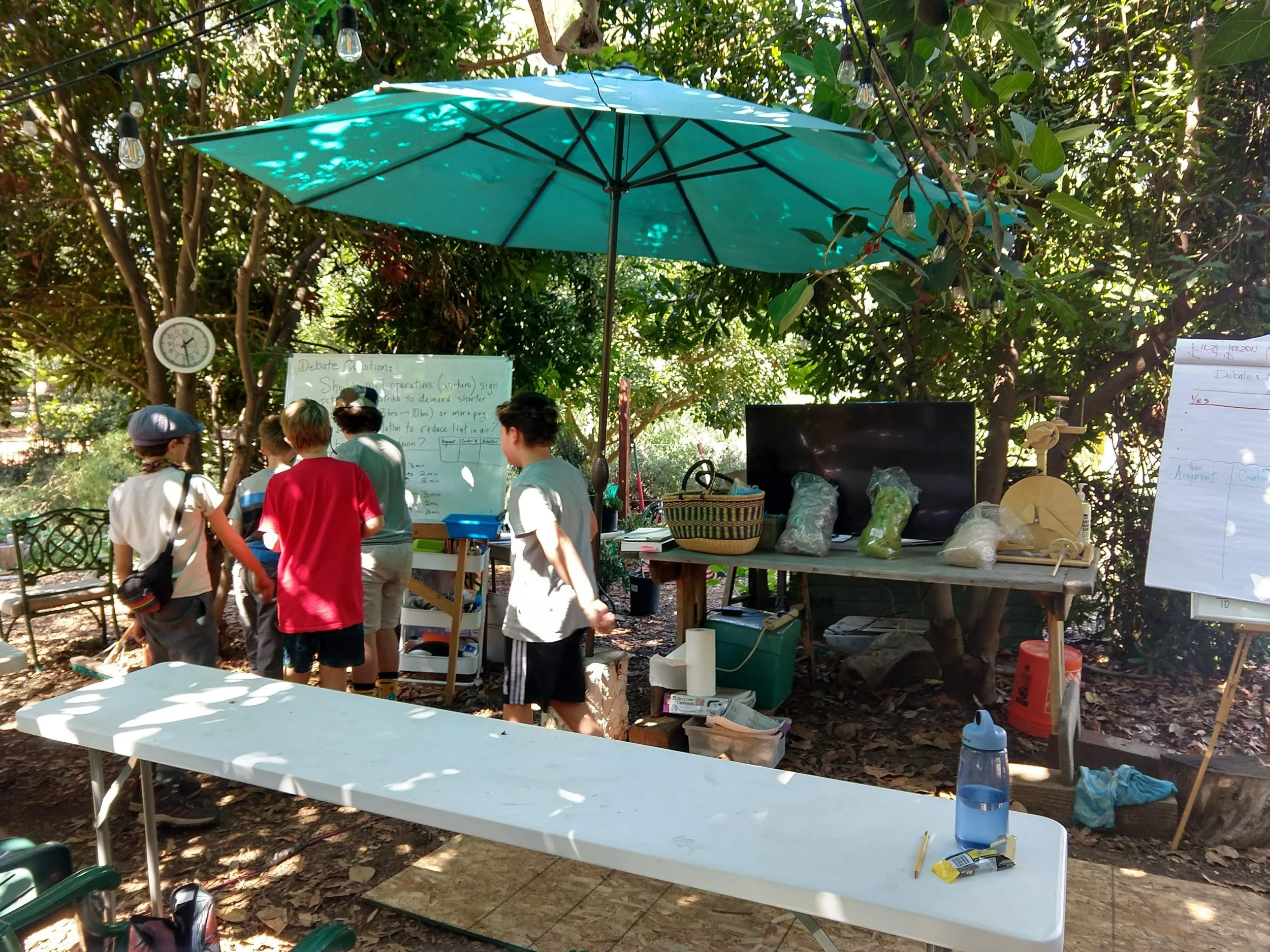
Discovery Time: domestic farm animal breeds — what are some of the different breeds within a species and why do farmers select those breeds? Students researched and created posters for different breeds of goats, ducks, geese, cattle, rabbits and more commonly found on farms in the US
Farm Work Science
Animal project preparing for bantam hens: — next week. We did double discovery time today instead
Week 4 - September 24, 2026
CLASS SUMMARY
Discovery Time: domestic farm animal breeds — what are some of the different breeds within a species and why do farmers select those breeds? Students researched and created posters for different breeds of goats, ducks, geese, cattle, rabbits and more commonly found on farms in the US
Farm Work Science: why do we rake up hay off the ground? Why are some bits of hay on the ground in the first place? Structure of alfalfa — stem vs. leaf, why cows want the leaf not stem, why they won’t eat off the ground. Evolutionary reproductive success of cows that don’t eat pasture down to the ground: cows that only eat the tops of pasture forbes and grasses are less likely to ingest parasite eggs in the soil and at base of plant. We looked at images of tape worms discussed what these feed on. Ditto maggots which thrive in moist piles of hay. We did not have time for 11 o’clock class to actually do Farm Work this week.
Animal project preparing for bantam hens: — next week. We did double discovery time today instead
Week 3 - September 17, 2026
CLASS SUMMARY
Written work focus this fall is ecology — lecture and notes on communities in ecosystem (all the living things) and population of a specific organism
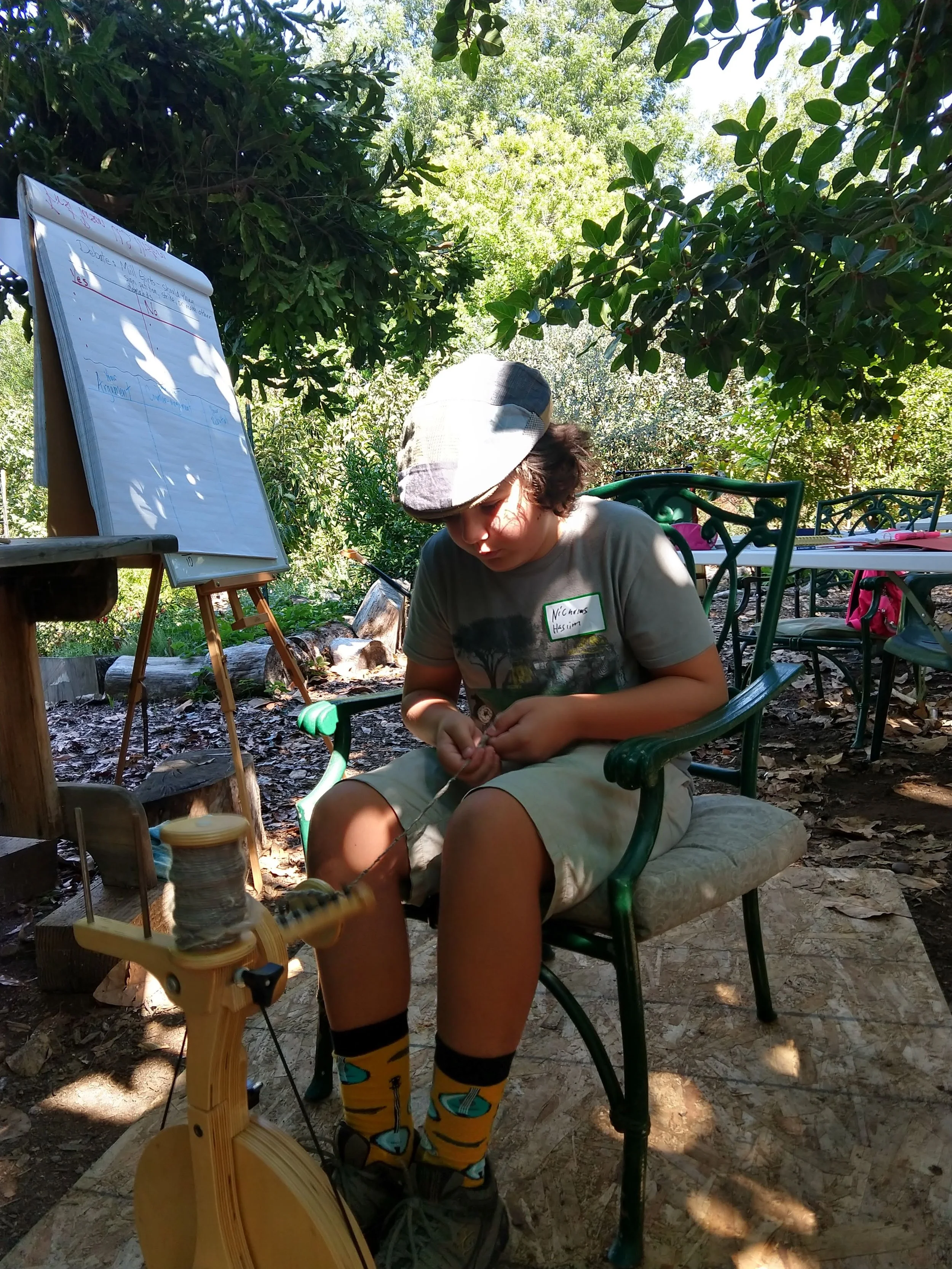
Discovery Time: community on Mt. Helix — coyote scat analysis - what is it eating? Why aren’t the palm seeds digested? How does this compare to grains we eat? Or cows eat? How is grain for animals made more easy to digest? How do we make grains more easy to digest?
Farm Work together — science of grinding wheat and why we are importing dirt to level the corrals (puddles —> fly and mosquito breeding habitat, slipping hazard, smell, hoof rot)
Animal project: - preparing for bantam hens!
Week 2 - September 10, 2026
CLASS SUMMARY
Written work focus this fall is ecology — lecture and notes on abiotic, biotic elements in a habitat, interdependence (examples).
Discovery Time: student selected research projects
Farm Work together (we did less hot work today!) Thank you to Arlie’s mom, Melissa, for popsicles!
Animal project: - next week we will prepare for bantam hens
Week 1 - September 3, 2026
This is the only HW you’ll have all year in this class: get your stuff organized!
SUPPLIES: Visit the all-in-one-supplies page Print that out and check off each item so you have those things ready. May I emphasize a few items from that list: shoes/boots that can get really dirty- by dirty I mean muddy and manure on them. Farm-only shoes. They can leave a pair of rain boots here if they want for mucking and your own gardening gloves. It may be hot the first weeks of class so in particular make sure you have a bandana to wet down and a water bottle.
BINDER: Prepare your three-ring binder. Make sure the following are in it:
Lined paper
Two tabs (one for work/handouts, one for lined paper)
Print out the “Table of Contents” form. Put this in your work/handouts section.
Put your name on the binder
PROJECTS: Think about which projects you are most excited about: Aquaculture- raising new fish! Sericulture - raising silk worms. Bunny preparations. Bantam hens -raising small chickens.
CLASS SUMMARY
Please see the all-in-one-supplies page
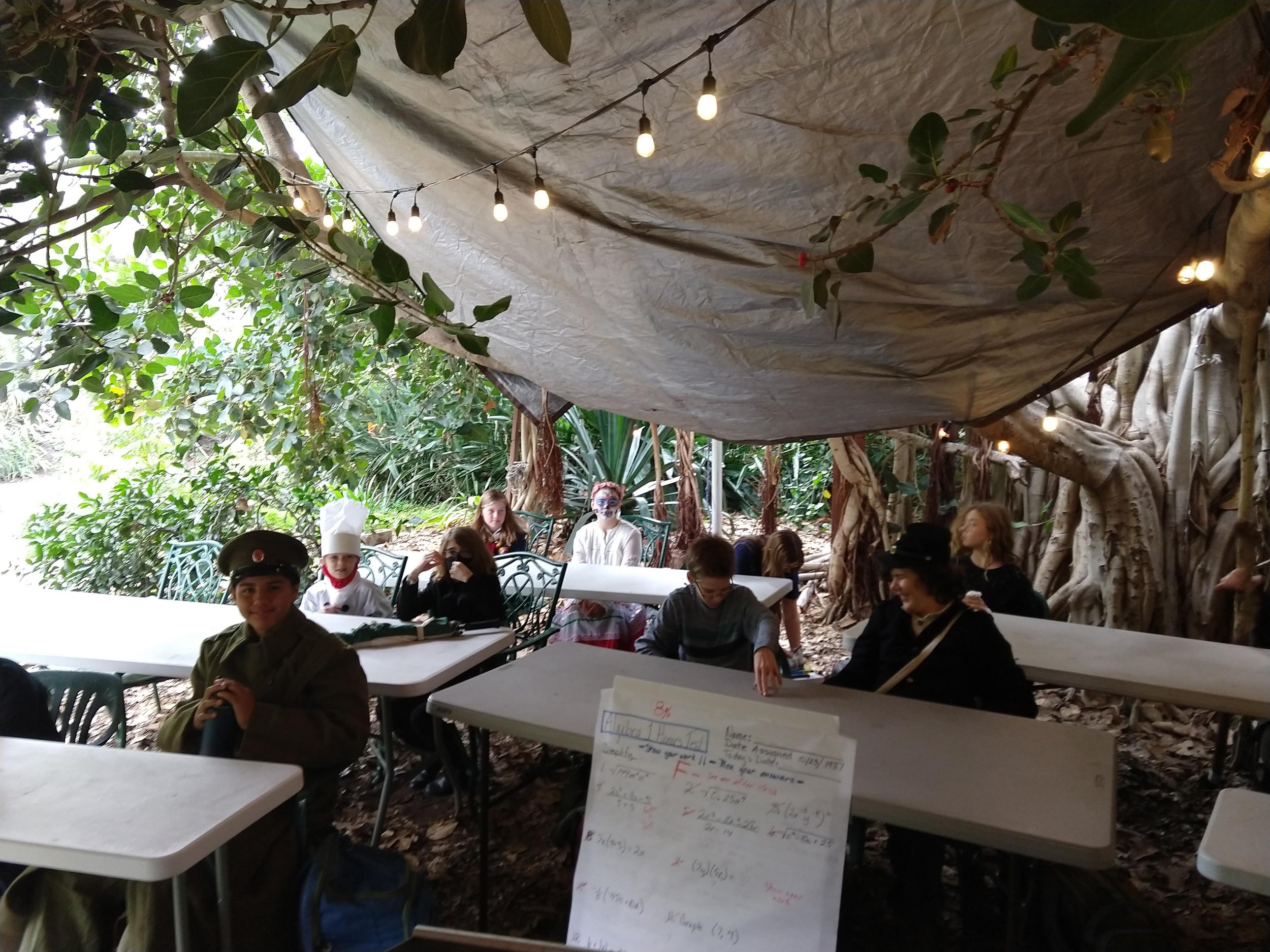
Welcome, get to know you, safety expectations.
Discovery Time:
11:00 session — sketching cactus flowers and fruits of the Peruvian Apple Cactus ( Cereus Repandus).
12:00 session Fly reproduction and why maggots need moist environments and what that means for reducing fly populations. Why we want to reduce fly populations (i.e. how flies transmit disease).
Brainstorming: what do we want to learn about? We created lists to guide our study of farm science this semester.
Written work focus this fall is ecology - introduction: study of interactions between organisms in an environment with each other and with the non-living things in their environment.
ANIMAL PROJECT vote: silk worms? bantam chickens? pond creatures including fish? Both session voted together- winner was bantam chickens.
Farm Work: Farm work is social time, learn how to care for plants and animals time, learn how to work in a team, and in the words of one student “wow, that was oddly satisfying” get stuff done time. A job well done feels great and builds grit which transfers into other arenas of life.
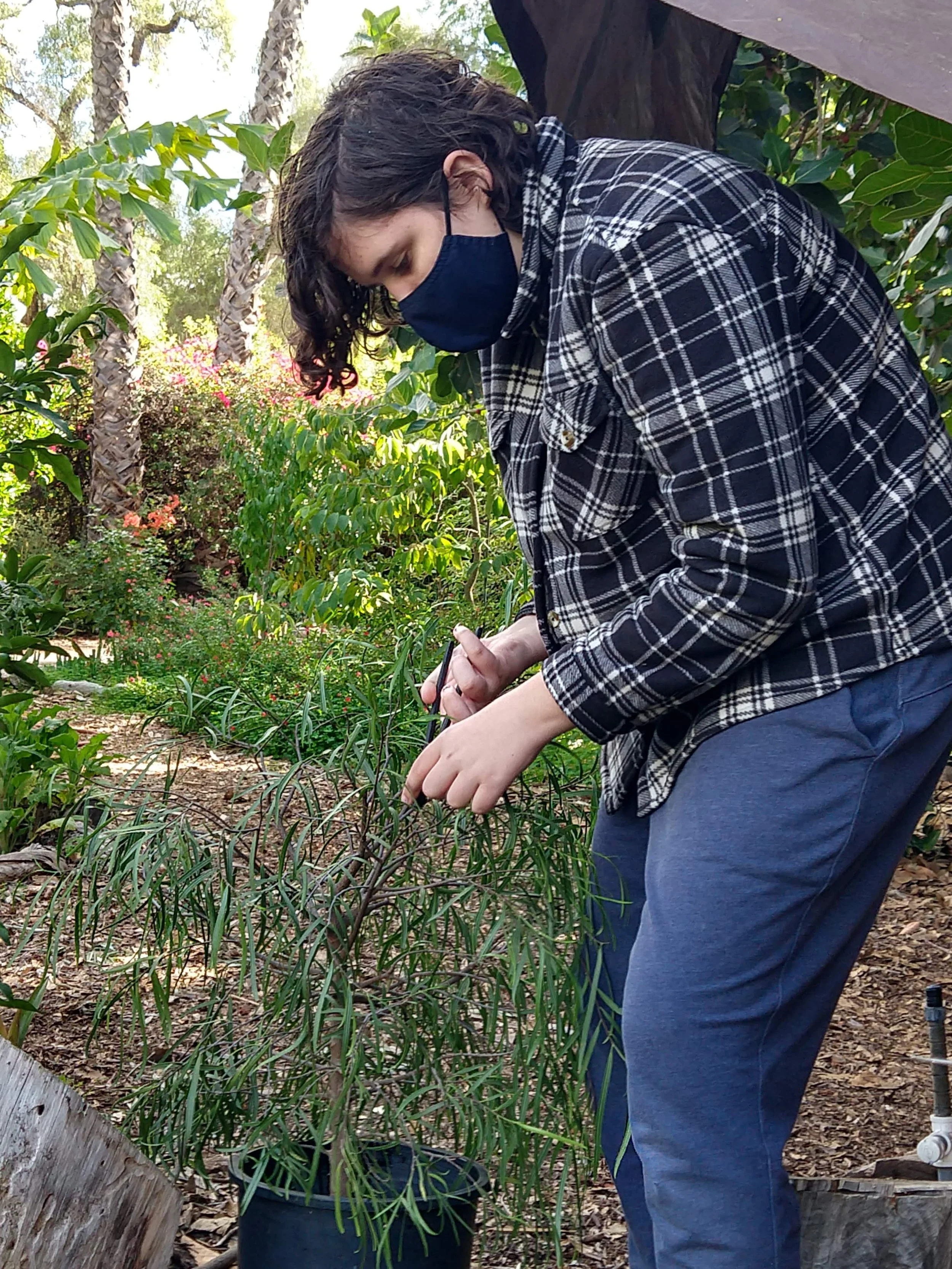
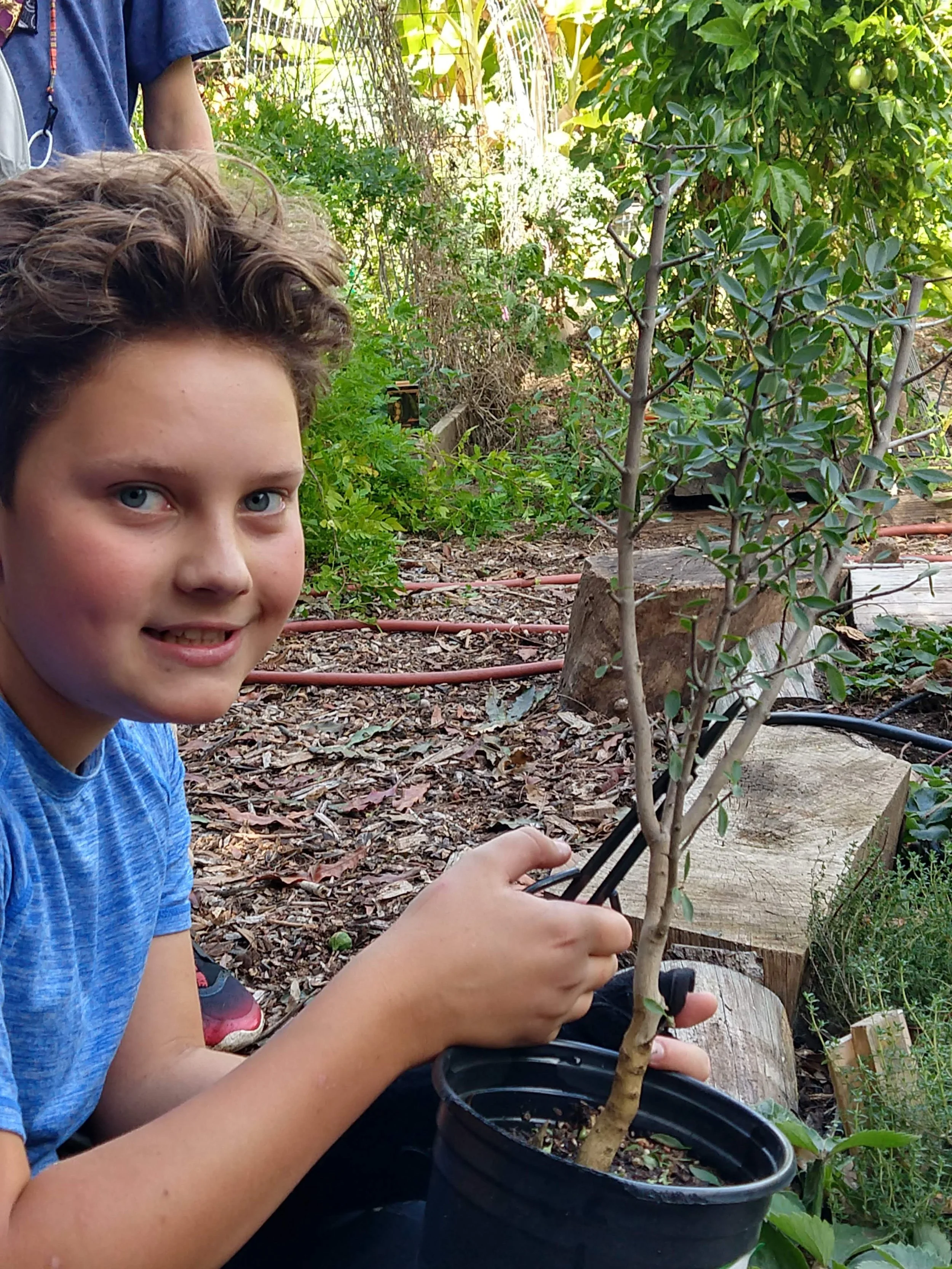
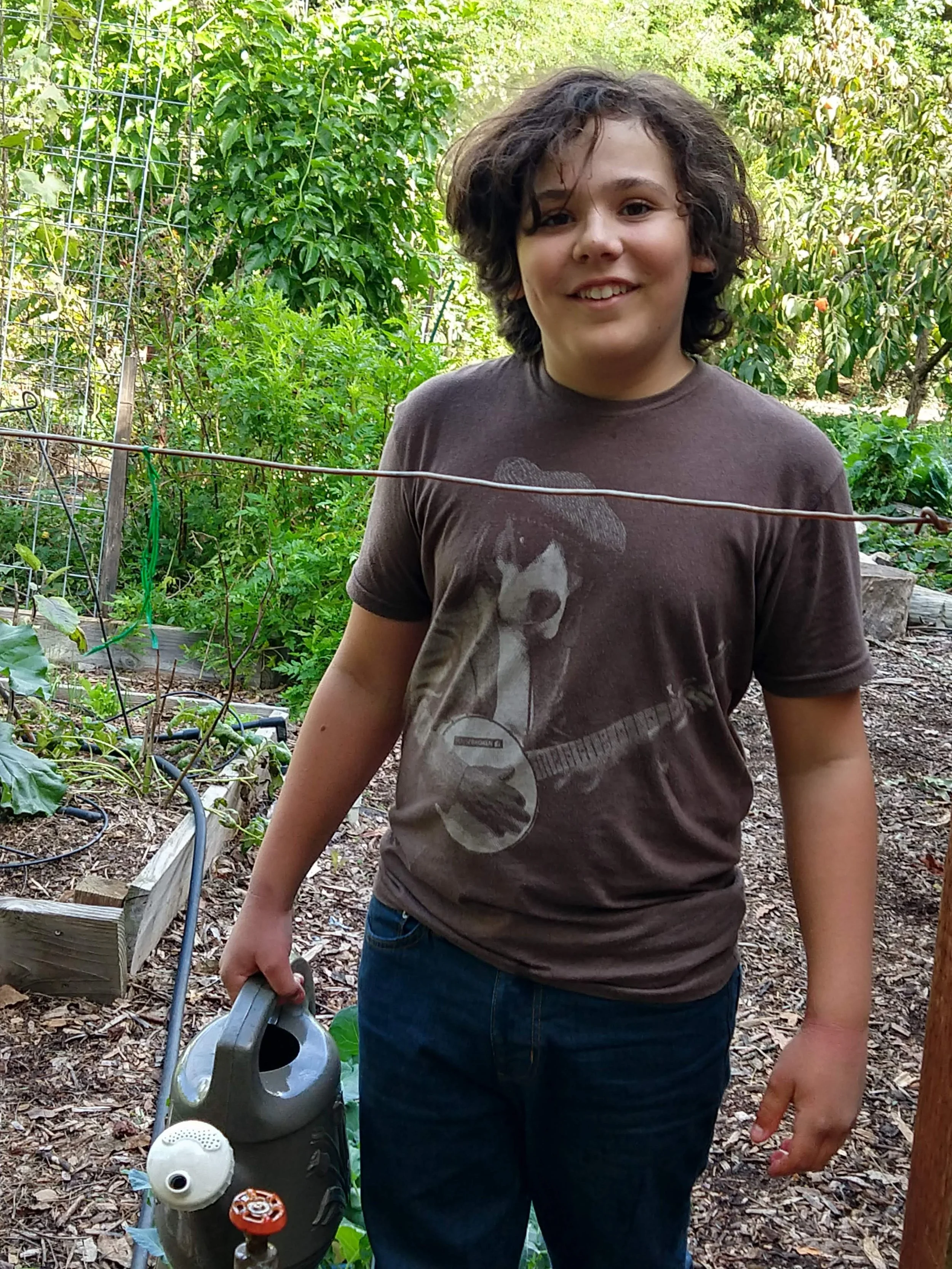
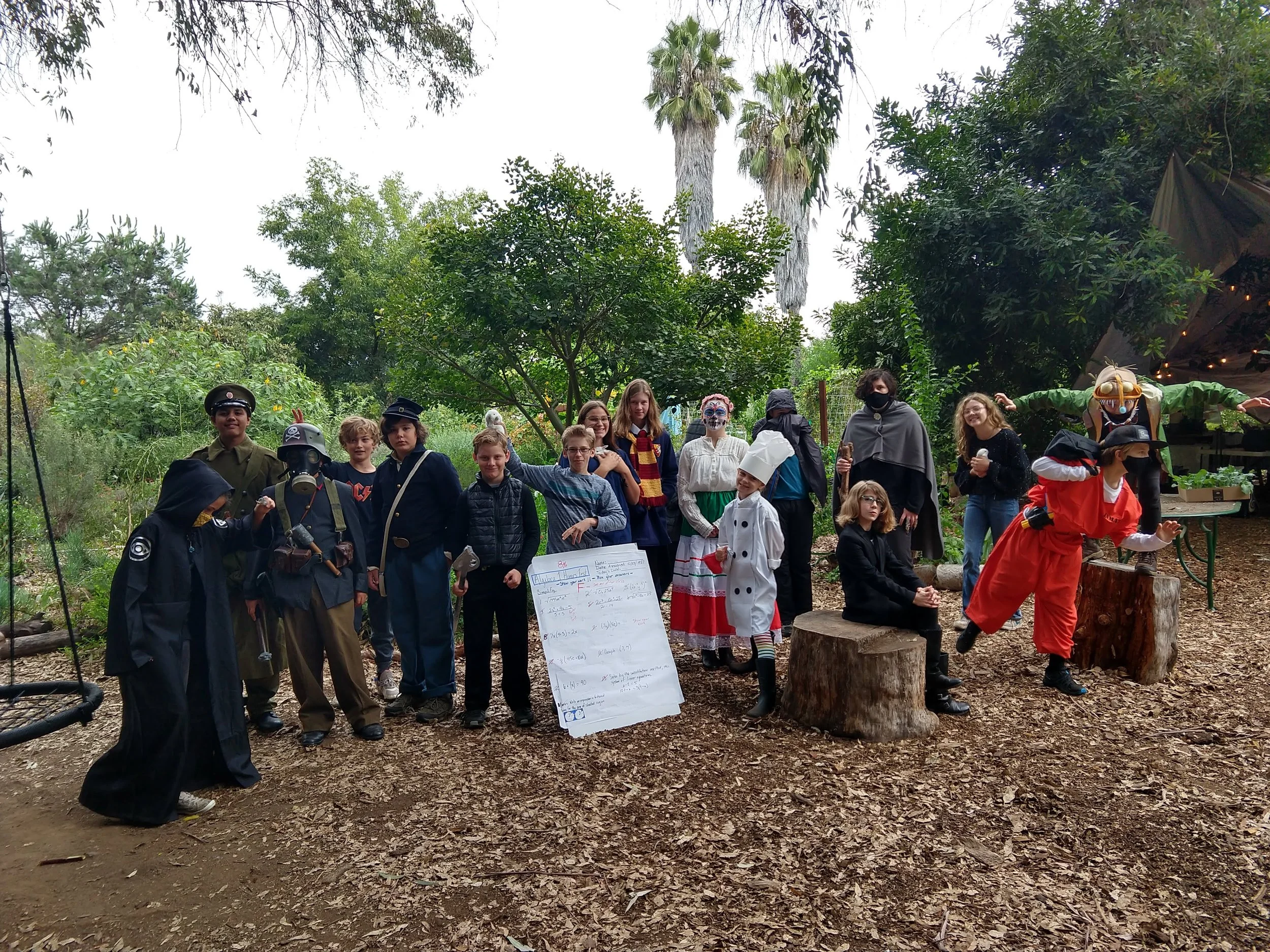
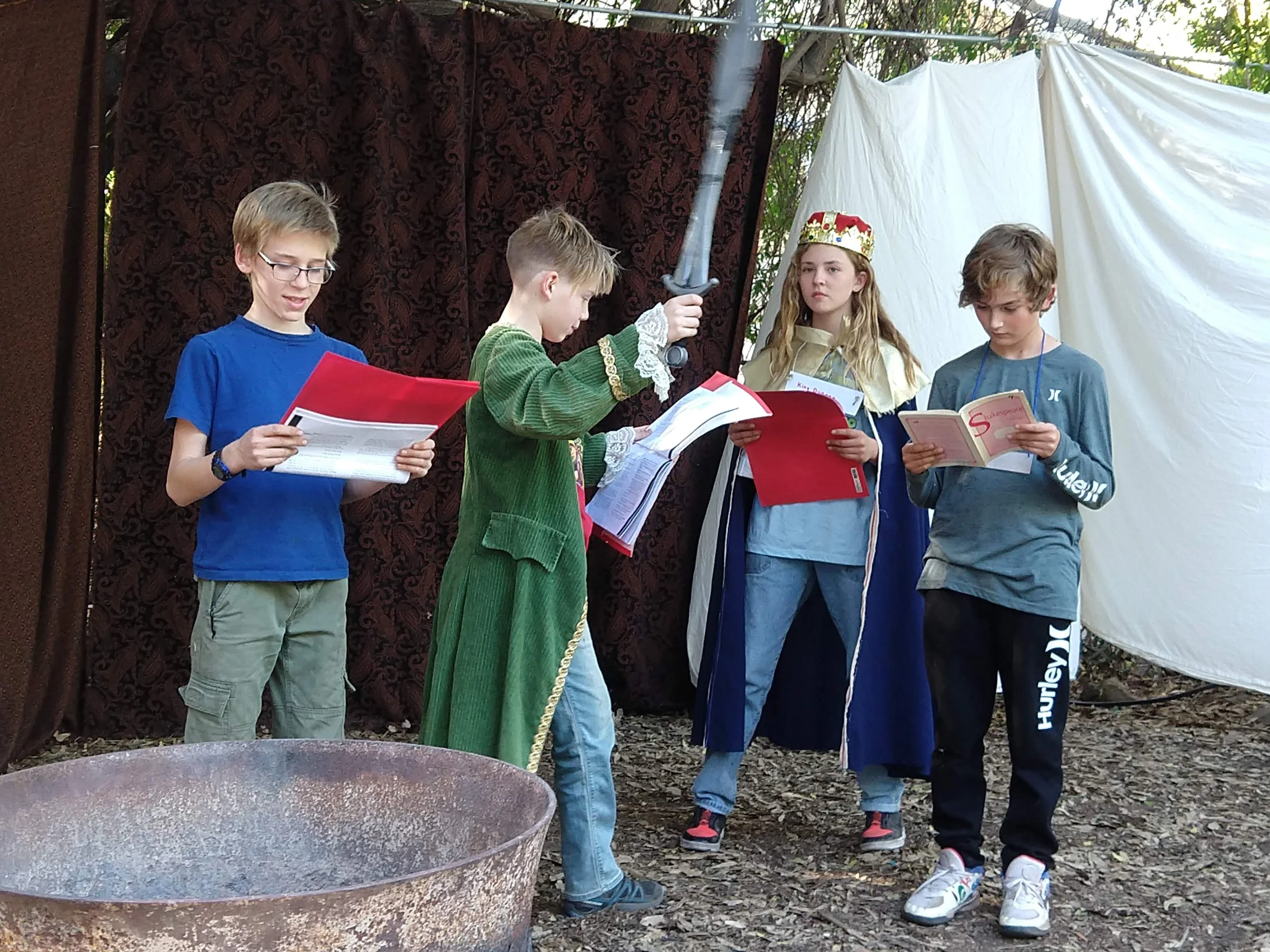
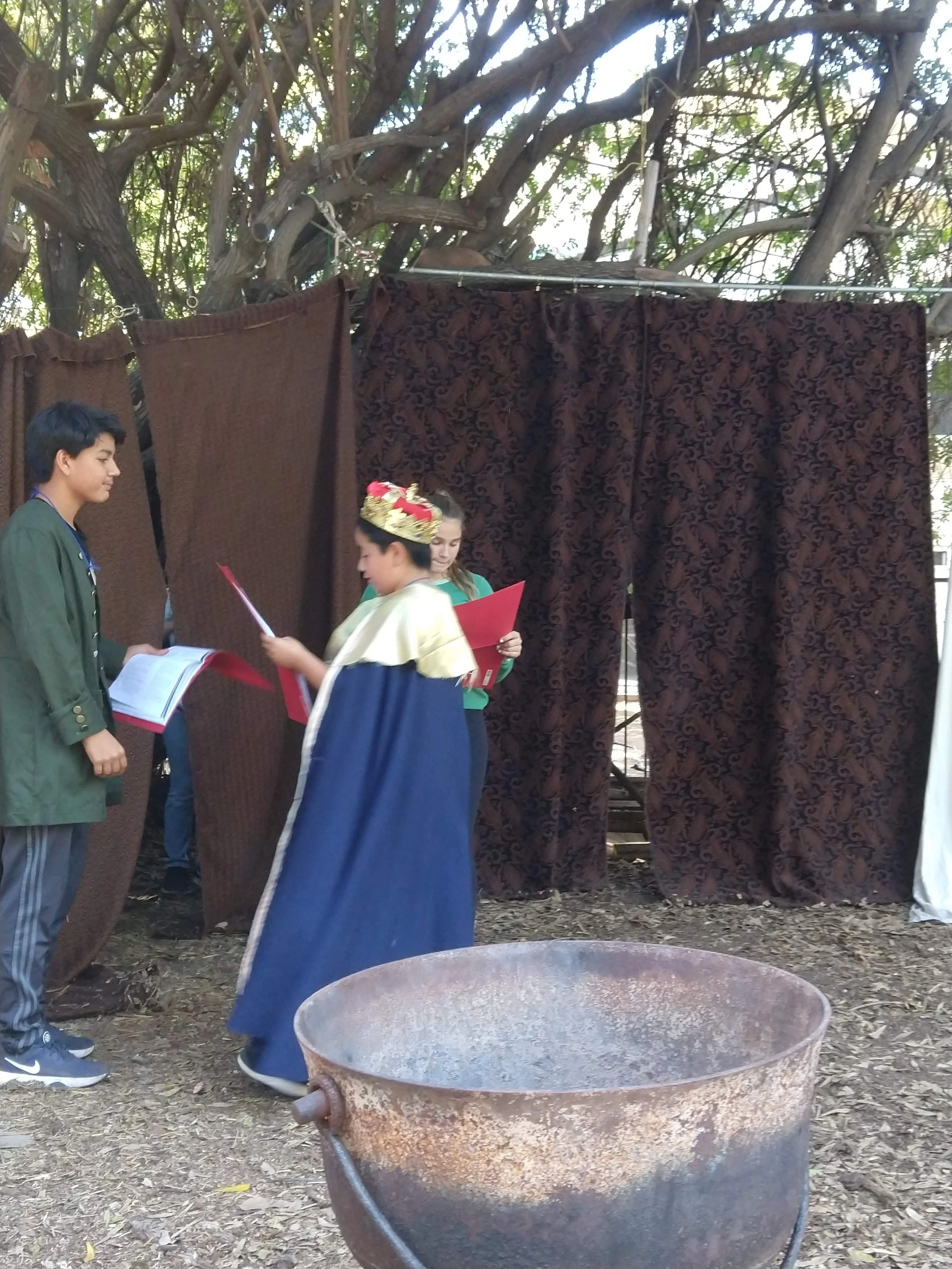
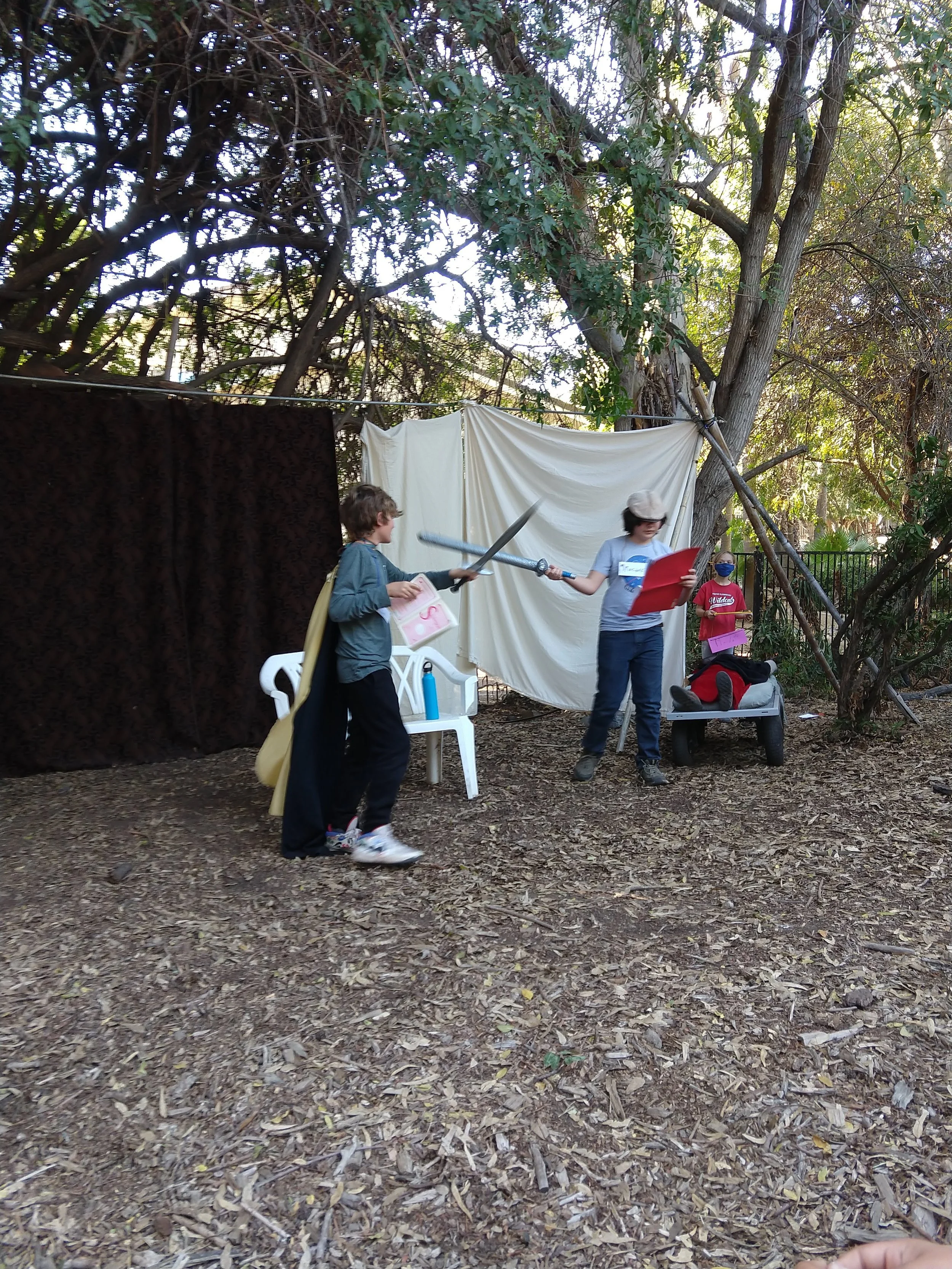
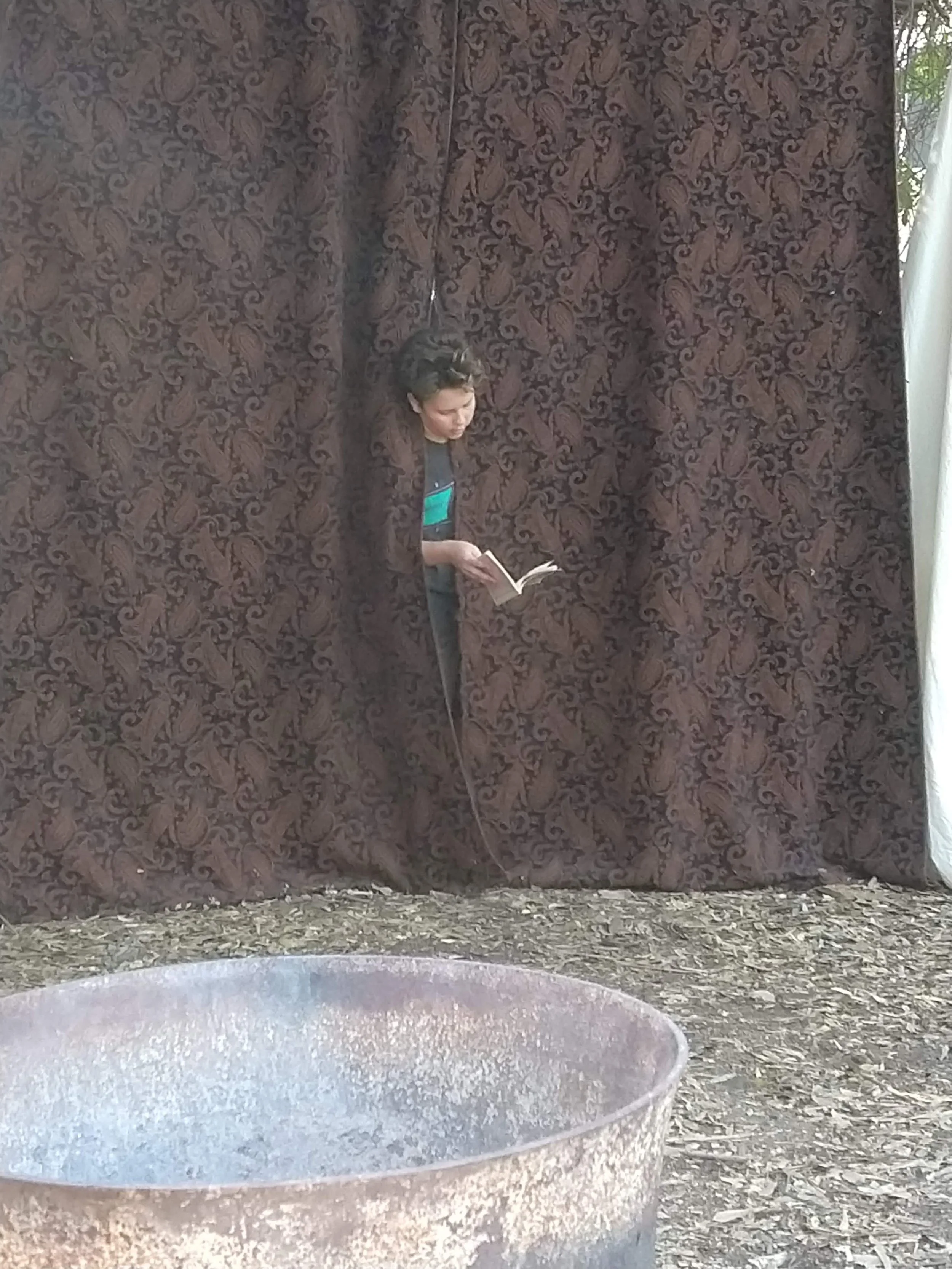
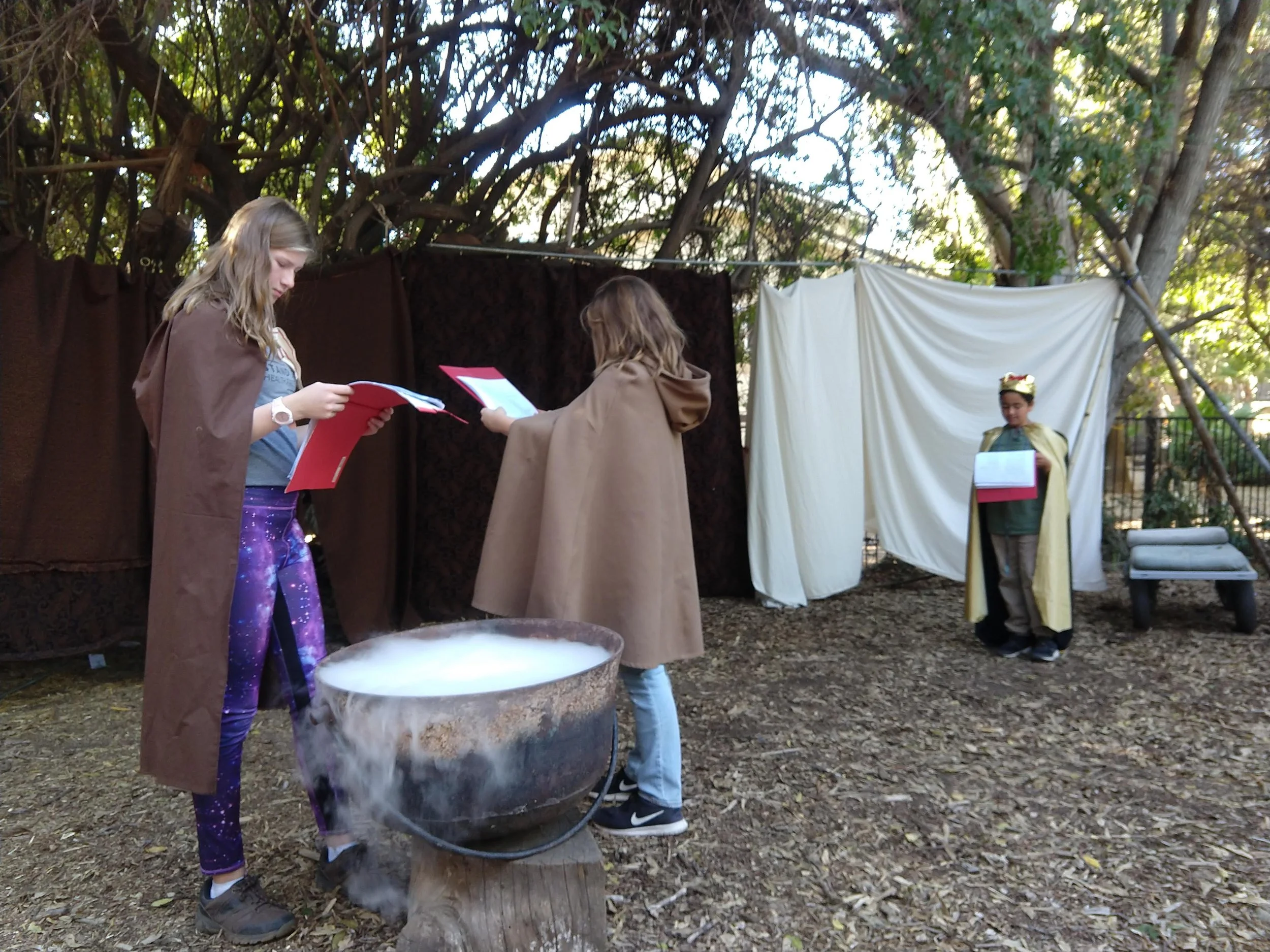
Students in Action