Science & Language Arts 2025-26
Pig & Human Anatomy & Physiology
-
Fall Semester August 26, 2025 - January 8, 2026 but weeks 1-4 are only for math & writing.
Science & LA runs Weeks 5 – 16 Sept. 30– Dec. 16 & January 6
10:00 – 12:00 Math 8 + Honors Pre-Algebra… continues
12:00 – 4:00 Science & Language Arts + lunch recess
FALL SEMESTER HOLIDAYS & BREAKS
WE WILL HAVE CLASS ON Veterans day, Tuesday 11/11 as a make-up Tuesday for 9/23. We have an extra Tuesday on Dec 16th to replace Veterans Day.
No classes during Thanksgiving week
Winter Break is 2.5 weeks Wednesday, December 17 – Monday, January 5, 2026
Last week of the semester is January 6/8, 2026 for non-math classes. This is a math make up day.
-
Bring shoes you can step in manure in. Rain boots or muck boots. You don’t have to wear them the entire time but you can change into them as needed.
Overcast weather = cold weather because damp air feels colder. To stay warm on overcast days bring: layers - hoodie, beanie, scarf, gloves, thicker socks and pants, thermos with warm liquid, a beach blanket (I’ll store that here for you!)
Hot weather:
Bring bug spray.
Bring a hat and a water bottle,
bandana for dipping in cool water and placing it around your neck.
Loose fitting breathable clothes.
Rain in the forecast: on any day with rain in the La Mesa forecast, Sci-LA students must have
rain boots,
a rain coat or rain poncho,
and spare set of socks.
Sci-LA Students without this essential gear will not be allowed to be dropped off because we will be doing farm work and projects in the rain, playing in the rain. Wet kids are cold kids who are not learning and certainly aren't having fun. Tips on rain gear are here on the supplies page.
(Rain gear is not as essential for math classes as you'll just get wet at recess IF you choose to play in the rain. )
January 6, Week 16 of 16
Homework
WordMasters
Do WM flashcards 1-18
Download & Print Practice Analogies Set D also on the WordMaster’s Page
If you haven’t already registered, use the Vocabulary.com BUTTON AT THE TOP OF THIS PAGE— that’s an invitation link. It gives you access to our class page with quizzes for our words. Sign in and master List 1. And work on List 2. I’ll have tickets for those on the leader board next week.
2. Science- Memorize the major muscles - see handout Page 21
3. Order the next book club book: Brother Band: Outcasts by John Flanagan.
4. Bring something to work on for project time. Can be handwork such as leather working, wood burning, embroidery, sketching a comic book, making a flip book, illustrating a poem, watercolors, or a small group activity such as a board game, writing a newsletter, or?
Classwork Summary
Writing: publishing celebration — reading each other’s essays and providing feedback
SCIENCE: Finishing Muscular System - lecture + CENTERS: Muscular System includes microscope work.
WM:, practice analogies, WM flash cards, Game - partners
Farm Work - harvesting limes, feeding worms and other decomposers, preparing to build milking station
Helpful Forms & Handouts
GENERAL FORMS: Table of Contents
POETRY & LITERARY ANALYSIS:
Textual evidence chart: PDF version here,
WRITING & Vocab
https://www.mybib.com - version MLA9 to generate the works cited page,
Theme Paragraph Template/Outline,
Use the Dirty Dozen editing check list to edit and proofread your essay.
personal challenge essay rubric from PCA
Persuasive or Argumentative Position Poster or essay Essay Rubric (grading standards) is here (from PCA)
December 16, Week 15 of 16
Homework
You revised your essay in class today. Please
print it out
use the Hamburger Paragraph Revision Checklist to self-assess it.
Staple that revision check list to your work
Staple your rough draft to it
and bring all of it to class on January 6th.
2. Order the next book club book: Brother Band: Outcasts by John Flanagan.
3. Have a lovely winter break! See you on January 6th. January 6th is the last week of fall semester for Sci-LA.
Classwork Summary
Writing: Students worked on essay revisions for Roll of Thunder, Hear My Cry. Reviewed common errors and how to fix them. Modeled generic (boring but effective) transitions as well as more sophisticated and smooth transitions between paragraphs which show relationships between ideas with the goal of implementing more smooth transitions.
SCIENCE CENTERS: Muscular System includes microscope work.
Party! Teams constructed elaborate graham cracker house and had a blast doing that!
Helpful Forms & Handouts
GENERAL FORMS: Table of Contents
POETRY & LITERARY ANALYSIS:
Textual evidence chart: PDF version here,
WRITING & Vocab
https://www.mybib.com - version MLA9 to generate the works cited page,
Theme Paragraph Template/Outline,
Use the Dirty Dozen editing check list to edit and proofread your essay.
personal challenge essay rubric from PCA
Persuasive or Argumentative Position Poster or essay Essay Rubric (grading standards) is here (from PCA)
December 9, Week 19 of 16
Next Tuesday is our last class and our stay late party from 3 to 5! Parents invited at 4:30. Bring your ELH tickets. Optional additional gingerbread decorations.
Homework
WordMasters:
Look up definitions for the first 8 words on the new WM list. Add definitions and part of speech to your flashcard. (We will work on the rest of the flashcard in class a bit.)
Master the words from List #1 (using our vocabulary.com classroom page)
Congratulations: Avery, Nalu, Roman, Forrest and Jeremiah - you have mastered WM List #1 on vocabulary.com and are ready to go on to list #2.
Everyone else, master WM LIST #1 using our classroom page on vocabulary.com
If you haven’t already registered, use the Vocabulary.com BUTTON AT THE TOP OF THIS PAGE— that’s an invitation link. It gives you access to our class page with quizzes for our words. Sign in and master List 1.
Leaderboard as of 12/9 Avery #1, Forrest #2, Nalu #3.
Most points last week: Lumen
Most point yesterday (!): Morgan
Writing Prep
Complete the essay rough draft you worked on in class using your Theme Paragraph/Essay Outline Template Use your themes and evidence chart I will hold individual writing conferences with students during rough draft writing time.
Double spaced, 12 inch font, 1-inch margins
Use the present tense when referring to what is happening in the book: Cassie says not Cassie said T.J. betrays, not T.J. betrayed
Use spell check & capitalize proper nouns. Italicize or underline the title of the novel.
EMAIL TO MS. LISA BY MONDAY 8 A.M. so you can get revision feedback.
Did you remember to print out the Hamburger Paragraph Revision Checklist last week? Make sure it is in your binder for the coming week. Bring a laptop if you prefer revising your draft on a computer.
Human Anatomy and Physiology
Memorize the OTHER half of the muscles on the muscular system handout from the previous week
BONUS
Read: The Concise Human Body Book pgs 64-74 Muscular system!
Ask your parents to order the January Book Club book, Brother Band: Outcasts by John Flanagan.
Remember your Excellent Learning Habits Tickets for next Tuesday. Yes, you can bring your own additional decorations for the gingerbread house decorating competitions. Yes, you can bring other snacks if you want to.
Classwork Summary
Writing: individual writing conferences with students during rough draft writing time. Students worked on essay for Roll of Thunder, Hear My Cry. Reviewed how to use TAG (title, author, genre) AND how to write in the present tense and not use “I think…”
Muscular System today: three kinds of muscles - skeletal, smooth, cardiac. Exercise (or lack thereof) and it’s impact on muscles. Key terms: contraction, voluntary, involuntary, striated, axial, appendicular, fast-twitch, slow-twitch, lactic acid, carbon dioxide, atrophy. Next week: tendons! and we’ll do our science stations which includes microscope work.
Farm Work- fast today
WordMasters: practice analogies with easy words to learn the relationship types. Introduction to List #2. Congratulations to our high scorers: Lea (17/20) and Avery (16/20)! Each year only a handful of students earn 20/20 around the country.
December 2, Week 14 of 16
WM LIST #2 for February 17 test is HERE
Writing Prep
Complete the essay outline we started in class: Theme Paragraph/Essay Outline Template Use your themes and evidence chart as well as past discussion questions. We will write a rough draft in class next week. I will hold individual writing conferences with students during rough draft writing time.
OPTION: you may modify that handout to write about key character traits (at least two) a main character if you want to. If you choose to write a characterization essay rather than a theme essay, you should address why these traits matter in the conclusion— do they drive the plot forward? are they central to an important theme?
Print out the Hamburger Paragraph Revision Checklist for use in class next week. Bring a laptop if you prefer writing a draft on a computer.
Human Anatomy and Physiology
Review all science FLASH CARDS, especially skin and muscular system terms from Chp 36 of Everything You Need to Ace Science textbook: skeletal muscles, tendons, smooth muscles, cardiac muscles, 7 roles of skin (page 376), epidermis, dermis, fatty layer
Memorize half of the muscles on the muscular system handout from the previous week
BONUS
Read: The Concise Human Body Book pgs 64-74 Muscular system!.
Summary - all language arts today
WordMasters: practice analogies via team Jeopardy (this is harder than it sounds). Took the analogies test. It’s very tough! Congratulations to our high scorers: Lea (17/20) and Avery (16/20)! Each year only a handful of students earn 20/20 around the country.
Book club: small group discussion using end of book discussion questions. Large group discussion mostly about themes.
Writing: Listed out possible themes of the novel. Modeled how to approach a response to literature essay writing prompt. Began working on the theme paragraph (hamburger paragraph format (thesis, TAG-title, author, genre,- context, evidence, explanation of evidence, conclusion/so what) or essay.
Farm Work- fast today
November 18, Week 13 of 16
No class next week for Thanksgiving Break. Short HW. Finish this before next week so you have a full week off for Thanksgiving. HW is just book club and writing prep.
Book Club & Writing Prep Only!
Read Chp 10 to end (pg 218-276)
Answer discussion questions. Use your own words. Not AI’s.
Complete the themes and evidence chart: What is an important theme (message of this novel?) Look for evidence of that theme in the text and fill out this themes and evidence chart. You will use this to make an outline of an essay when you return from Thanksgiving break. Then we’ll write that essay.
Summary
SCIENCE: Partner quizzes with science flash cards. Pop quiz on skeletal system—names of bones. Lecture notes on muscular system part 1. Muscular system song!
Book club: small group discussion using question students wrote. Large group discussion using student questions. Their questions were deep and thoughtful. They were noticing subtle character traits and thematic issues (loyalty, betrayal, manipulation, honor, power dynamics, temper vs. calm) and found evidence to support their insights. Student also wondered about Klu Klux Klan as the “night riders” of the novel and if such racism exists today. We talked briefly about modern white supremacists and neo-Nazism in answer to those questions. More information about the terrorist tactics of the Klan can be found here: Ku Klux Klan: Origin, Members & Facts | HISTORY Using textual evidence to analyze plot, character, mood, themes. We sat around the fire to have these discussions. Thanks to students who brought firewood!
Writing: students got their in-class theme paragraphs back. We examined a model hamburger paragraph format and revised out paragraphs to have those components (thesis, TAG-title, author, genre,- context, evidence, explanation of evidence, conclusion/so what.) Used a revision checklist to evaluation own writing and revise.
Farm Work- fast today
Turned in WM posters and discussion questions
NOTE: I will be holding the Shakespeare workshop at the END of the spring semester rather than at the beginning so that RLFS and SCI-LA can start up in the beginning of January rather than lose their momentum by starting after the four-week workshop. I sent an email Saturday evening 11/8 with details about the new calendar and how to sign up for spring classes.
Fill out this 45-second form to save your student’s spot in spring classes or let me know that they need to drop a class.
Helpful Forms & Handouts
GENERAL FORMS: Table of Contents
POETRY & LITERARY ANALYSIS:
Textual evidence chart: PDF version here,
WRITING & Vocab
https://www.mybib.com - version MLA9 to generate the works cited page,
Theme Paragraph Template/Outline,
Use the Dirty Dozen editing check list to edit and proofread your essay.
personal challenge essay rubric from PCA
Persuasive or Argumentative Position Poster or essay Essay Rubric (grading standards) is here (from PCA)
November 11, Week 12 of 16
NOTE: I will be holding the Shakespeare workshop at the END of the spring semester rather than at the beginning so that RLFS and SCI-LA can start up in the beginning of January rather than lose their momentum by starting after the four-week workshop. I sent an email Saturday evening 11/8 with details about the new calendar and how to sign up for spring classes.
Fill out this 45-second form to save your student’s spot in spring classes or let me know that they need to drop a class.
Homework (HW)
SCIENCE —Skeletal System and Muscular System
Re-read Everything You Need to Ace Science textbook, chp 36, and add to your in-class notes (use the left-hand column. I recommend you add drawings and color!) PURPOSE: studies show that students who review their notes by adding to them, not just reading notes and not just reading a text, recall SIGNIFICANTLY more than those who just re-read. This is an important studying technique.
Begin memorizing the basic bones of skeletal system listed on this image. You’ll get a handout next week with this information too. (Here’s a bonus much more detailed quizlet 206 Bones (And Their Markings!) Flashcards | Quizlet)
FLASH CARDS for bingo and studying: Using Chp 36 of your Everything You Need to Ace Science textbook, make flashcards for the following skin and muscular system terms (term on the front, drawing and explanation on the other side)
Define and explain where these are and what they do: skeletal muscles, tendons, smooth muscles, cardiac muscles, 7 roles of skin (page 376), epidermis, dermis, fatty layer
PURPOSE: the purpose of these flash cards is to give you a study tool— you can use them to quiz yourself. We’ll also play bingo games with them in class (which is another fun study technique). Part of our class is about learning how to be a successful student. So we practice test studying techniques, how to annotate a text so we have evidence at our finger tips for in-class writing, etc.
BONUS - The Concise Human Body Book pgs 56-59 Injuries to bones and ligament . Read Chp 28 of your Everything You Need to Ace Science textbook “Organisms and Biological Classification”
VOCABULARY - WORDMASTERS:
Create your WM poster. Include art that suggests the meaning, list the following: synonyms, definition, part of speech. Your poster should be easy to read when one is standing 10 to 15 feet away (large text!) We will post these on the walls. PURPOSE: when we transform information from one medium (words) to another (drawing) our brains remember it more. Our posters will also help us all remember the words, their meanings, and connections as we see them in class.
BONUS: write one sentence of your own for words 15-25 next week. Wordhippo.com is great for good sentences. Level 7 Gold WordMasters List #1 - you can turn this in with last week’s sentences for bonus tickets
BONUS: VISIT OUR LINK TO our Farm School Vocabulary.com classroom to study WM list. You’ll make an account. When online don’t use your real full name. But use either a just your first or last name so I know who is who in our class. PURPOSE: low-stakes (low stress) quizzes help our brains remember information.
BOOK CLUB - Roll of Thunder, Hear My Cry
READ: Chp 7-9 (pg 140-217) about 80 pages
WRITE: Write four of your own discussion questions and answer two of them.
Build upon your historical knowledge by reading/watching one of the sources from one of the hyperlinks on our Roll of Thunder website or research a historical topic related to the novel which interests you.
ANNOTATE — plot summaries at top of pages, character development, historical info, your reactions, literary devices (point of view, similes, vivid verbs, parallelism, foreshadowing) PURPOSE: annotating forces us to slow down and THINK about what we are reading and make connections to our lives and other things we know. This is also an important strategy for preparing for in-class and at-home response to literature essay prompts.
BONUS: Add to your character traits table. PURPOSE: prepare for an essay about character development
******************
Classwork Summary - literature, science and vocab focus
Human Anatomy and Physiology: Anatomy and function of bones - broke chicken bones to study the internal structure which is visible to the naked eye. Examined diagrams of bones to look at microscopic structures. Reviewed classification of bones and skeletal system via our skeletal system song! Sheet music here.
Literature: discussed Roll of Thunder as a class and with partners, focusing on author’s craft. How does the author makes us feel what Cassie feels - her hurt, indignation, confusion? Roll of narrative point of view —>and her experiencing some of the discrimination for the first time, makes it feel powerful and visceral for us too. Literary devices such as similes, imagery. Pay attention to subtle word choices. Taylor is a master at her craft.
Word Analysis: WM Bingo and discussion of context and connotation for a few words. of Word Masters (WM) Analogy Challenge words. Vocabulary list here
Speaking: introduction of peer
Up next: Writing Focus- evaluation of our timed writing of response to literature two paragraphs about The Magician’s Nephew. Hamburger paragraphs and revision.
Helpful Forms & Handouts
GENERAL FORMS: Table of Contents
POETRY & LITERARY ANALYSIS:
Textual evidence chart: PDF version here,
WRITING & Vocab
https://www.mybib.com - version MLA9 to generate the works cited page,
Theme Paragraph Template/Outline,
Use the Dirty Dozen editing check list to edit and proofread your essay.
personal challenge essay rubric from PCA
Persuasive or Argumentative Position Poster or essay Essay Rubric (grading standards) is here (from PCA)
November 4, Week 11 of 16
NOTE: I will be holding the Shakespeare workshop at the END of the spring semester rather than at the beginning so that RLFS and SCI-LA can start up in the beginning of January rather than lose their momentum by starting after the four-week workshop. I sent an email Saturday evening 11/8 with details about the new calendar and how to sign up for spring classes.
Fill out this 45-second form to save your student’s spot in spring classes or let me know that they need to drop a class.
Yes, we have class next week on Veteran’s Day 11/11
— it’s our make-up day for 9/23 when I cancelled class due to bronchitis
Yes, you may bring an instrument to class next week to play “The Skeletal System” song They can be stored in the house until you need them.
NOTE: I will holding the Shakespeare workshop at the END of the semester rather than at the beginning so that RLFS and SCI-LA can start up in the beginning of January rather than lose their momentum by starting after the four-week workshop. Watch for an email this weekend with details about the new calendar and how to sign up for spring classes.
Homework (HW)
SCIENCE
FLASH CARDS for bingo and studying: Using Chp 36 of your Everything You Need to Ace Science textbook, make flashcards for the following questions (term on the front, drawing and explanation on the other side)
Define and explain where these are and what they do: cartilage, periosteum, compact bone, spongy bone (a.k.a. cancellous bone), bone marrow, pivot joint, gliding joint, hinge joint, ball & socket joint, ligaments
Prepare one-side of flash cards (word side) and we’ll learn these terms in class on week 12: exoskeleton, endoskeleton, collagen, axial skeleton, appendicular skeleton, saddle joint, tendons
If you can, bring a bone (chicken, pork, beef etc) to smash open to look for marrow and other parts of the bone!
Highly recommended BONUS - the reading is more accessible than the videos.
The Concise Human Body Book pgs 40-48.
High School Video: Crash Course Anatomy & Physiology #19 (we’ll cover concepts in the first half of the video)
VOCABULARY - WORDMASTERS: Read a few sentences written by a profession writer for each word. Then write one sentence of your own for words 1-14. We’ll do 15-25 next week. Wordhippo.com is great for good sentences. Level 7 Gold WordMasters List #1 There are many free puzzle makers online.
BOOK CLUB: Read and annotate and add to your characterization chart in Roll of Thunder, Hear My Cry— (You can visit our Roll of Thunder page for resources about history, economics of the great depression, and more. I also list the full reading schedule and weekly assignments there.)
Read Chp Chp 4- 6 (pg 70 to 139) about 70 pages
Add to your character traits table which you drew in class today.
ANNOTATE. Use your shorthand notation for marking the following things. If you don’t have a shorthand/color coded key, add that to the front of your book
Character development - things that reveal what the characters are like
Imagery - sensory images that help you see, hear, taste, smell, feel
Important plot developments
Your questions and your reactions : funny? sad? outrage? shock? confusion?
Literary devices such as similes or metaphors, foreshadowing, alliteration, parallelism
******************
Classwork Summary
Ecology moment: birds nest out of palm fiber in the banana trees
Literature: Students who completed their annotating homework got to participate in small group discussions of Roll of Thunder. Those who didn’t do their homework, worked on the missing homework. As a class we discussed the difference between topics and themes. This is really challenging for many kids. A topic is an issue the novel addresses, such as selfishness, integrity, power, or pride. A topic is typically one word. A theme is the author’s message about that topic, such as selfishness combined with pride destroys both individuals and nations. We practiced writing themes of the novel.
Word Analysis: Students who completed their homework got to trade crossword puzzles or analogy sets they made and do those as WordMasters’ practice. Those who didn’t do their homework, worked on the missing homework. ractice Analogies Set D— carefully unpacking these analogies - why the wrong answers don’t fit and why the right answers do. osters of Word Masters (WM) Analogy Challenge words. Vocabulary list here
Speaking: introduction of peer
Writing: Timed writing of response to literature two paragraphs about The Magician’s Nephew. Everyone wrote about a theme and cited textual evidence and explained that evidence. Then they chose between a characterization and mood of novel prompt.
Farm Work: Why do we harvest leaf forage for the cows? Pesticides, herbicides, micronutrients - grazing in a pasture isn’t a mono-culture, so we need to ensure that they don’t have a diet of just one kind of hay with no minor variations. Why can cows eat leaves? (ruminants!) Vermiculture: why does the worm bin need to be moist but not dripping? Roly-polies are actually crustaceans— they need a moist environment as do the worms. How do we achieve that?
Human Anatomy and Physiology: introduction to the skeletal system via our skeletal system song! Sheet music here.
Cattle team got the fruits of their labors — fresh pasteurized frozen yogurt. Flavor - pineapple guava - lime with a hint of blood orange. Tastes a bit like key lime pie! Recipe below
Using a stick blender, blend the following ingredients, then add them to an ice cream maker, then chill in freezer to mature for at least 6 hours.
1 quart of yogurt (we used Ursula’s mostly organic A2-A2 milk, pasteurize it, then make yogurt)
pureed pineapple guava (at least a half cup, more is better)
1-3 T lime juice
zest of 1 lime
sugar to taste (1 cup?)
blood orange extract
Helpful Forms & Handouts
GENERAL FORMS: Table of Contents
POETRY & LITERARY ANALYSIS:
Textual evidence chart: PDF version here,
WRITING & Vocab
https://www.mybib.com - version MLA9 to generate the works cited page,
Theme Paragraph Template/Outline,
Use the Dirty Dozen editing check list to edit and proofread your essay.
personal challenge essay rubric from PCA
Persuasive or Argumentative Position Poster or essay Essay Rubric (grading standards) is here (from PCA)
tentative for Week 13
Do “Check Your Knowledge” pg 383. Everything You Need to Ace Science textbook
October 28, Week 10 of 16
Homework (HW)
SCIENCE
Read Chp 36 of your Everything You Need to Ace Science textbook “Skeletal and Muscular Systems” — this is a preview for the next two weeks
If possible, bring a bone to class (chicken, pig, cow) We are studying the skeletal system next week. If we have time, we’ll slice it and examine its interior.
Bonus:
Highly recommended BONUS - the reading is more accessible than the videos.
The Concise Human Body Book pgs 16-25 Add to your class notes as you read.
High School Video: Tissues, Part 2 - Epithelial Tissue: Crash Course Anatomy & Physiology #3
VOCABULARY - WORDMASTERS: Choose one activity
Either write 5 to 8 good analogies using WordMaster Words in one part of a pair
OR or create a crossword puzzle using your WM words. Level 7 Gold WordMasters List #1 There are many free puzzle makers online.
BRING THE MAGICIAN’S NEPHEW TO CLASS NEXT WEEK - WE WILL WRITE TWO IN-CLASS PARAGRAPHS.
BOOK CLUB: Read and annotate Roll of Thunder, Hear My Cry— (You can visit our Roll of Thunder page for resources about history, economics of the great depression, and more. I also list the full reading schedule and weekly assignments there.)
Read Chp 1-3 about 70 pages
ANNOTATE. Decide on a shorthand notation for marking the following things
Character development - things that reveal what the characters are like
Imagery - sensory images that help you see, hear, taste, smell, feel
Important plot developments
Your questions and your reactions : funny? sad? outrage? shock? confusion?
Literary devices such as similes or metaphors, foreshadowing, alliteration, parallelism
******************
Classwork Summary
DEW Drop Everything and Write
Literature: Historical and economic context for Roll of Thunder.
Word Analysis: Practice Analogies Set D— carefully unpacking these analogies - why the wrong answers don’t fit and why the right answers do. osters of Word Masters (WM) Analogy Challenge words. Vocabulary list here
Speaking: introduction of peer
Science lecture and notetaking Cells—> TISSUE TYPES —> Organs, —> SYSTEMS OVERVIEW
Helpful Forms & Handouts
GENERAL FORMS: Table of Contents
POETRY & LITERARY ANALYSIS:
Textual evidence chart: PDF version here,
WRITING & Vocab
https://www.mybib.com - version MLA9 to generate the works cited page,
Theme Paragraph Template/Outline,
Use the Dirty Dozen editing check list to edit and proofread your essay.
personal challenge essay rubric from PCA
Persuasive or Argumentative Position Poster or essay Essay Rubric (grading standards) is here (from PCA)
October 21, Week 9 of 16
Homework (HW)
Students may dress up for Halloween next week if they want to. No blood, gore, violence. We will NOT be giving out candy (there’s enough sugar I’m sure in everyone’s diet already and wrappers can litter the ground.)
SCIENCE
Read Chp 35 of your Everything You Need to Ace Science textbook “Animal and Plant Homeostasis & Behavior” (BONUS: do the check your knowledge on pg 371 to check your reading comprehension)
Highly recommended BONUS - the reading is more accessible than the videos.
reading in The Concise Human Body Book pgs 10-15
High School Video: Tissues, Part 1: Crash Course Anatomy & Physiology #2
VOCABULARY - WORDMASTERS:
Make flash cards for words 18-25. You need: definition, part of speech, sample sentence, synonyms. See our WordMasters Vocabulary page for an example. This time you look up your own definitions and sentences in a print dictionary or WordHippo.com or Merriam-WebsterVocabulary: Level 7 Gold WordMasters List #1 (Remember to leave space for context and WM connections which we’ll do together in class once you have all 25 flash cards completed.)
BOOK CLUB: The Magician’s Nephew.
We didn’t have time to start finding evidence of themes in class, so you can start finding evidence of a theme you want to write about. Sample themes from the novel which we discussed last week are listed below (you can write about ANY theme you want as long as you evidence from the text to support your claim that it is a theme of the novel.)
Selfishness always hurts other and usually hurts yourself in the long run
Pride is a form of selfishness
Lust for power blinds
Great power requires self-restraint and responsibility
Restraint demonstrates more strength than using power indiscriminately
People who think the rules don’t apply to them damage our communities
In preparation for reading Roll of Thunder, Hear My Cry, research
Sharecropping in the Southern United States in the early 1900’s to 1940’s. How was sharecropping different than slavery? How did it limit the freedom of Blacks in the US?
"Separate but equal" doctrine established by the Supreme Court in the 1896 case Plessy v. Ferguson - this is the foundation of Jim Crow laws after Reconstruction (after the Civil War) until the Civil Rights Act of 1965
PREPARE FOR NEXT WEEK
Get a copy of Roll of Thunder, Hear My Cry by Mildred Taylor. You need to be able to write in your book so you’ll want your own copy or sticky-notes or both.
Remember to bring your paragraph about your classmate — we will present those next week so we can wrap that up.
Optional notetaking guide for science notes — this is the one I posted Monday 10/20 about tissue types and systems.
******************
Classwork Summary
DEW Drop Everything and Write: What do you want our class culture to be like? We then discussed what we should to do to craft that class culture/environment together.
Literature:
Small Group Book Club Discussions of The Magician’s Nephew.
Small group discussion of topics and themes.
Word Analysis: WM Bingo. Practice analogies — there are 16 types of analogies. Table posters of Word Masters (WM) Analogy Challenge words. Vocabulary list here
Science lecture + Q&A Cow pregnancy palpitation- description and overview. Cow delivery of calf videos and video of how the vet does a pregnancy check via palpitation. Cow anatomy
Farm Work: Pig tamers, roly-poly hunters for fish, rabbit care, cattle team, botany team -using worm castings to fertilize three plants with mineral deficiencies as evidenced by the veining/leaf discoloration.
Helpful Forms & Handouts
GENERAL FORMS: Table of Contents
POETRY & LITERARY ANALYSIS:
Textual evidence chart: PDF version here,
WRITING & Vocab
https://www.mybib.com - version MLA9 to generate the works cited page,
Theme Paragraph Template/Outline,
Use the Dirty Dozen editing check list to edit and proofread your essay.
personal challenge essay rubric from PCA
Persuasive or Argumentative Position Poster or essay Essay Rubric (grading standards) is here (from PCA)
October 14, Week 8
Homework (HW)
OPTIONAL Science notetaking form here for class on Oct 21
SCIENCE -Finish study of an animal cell
Label the organelles in your animal cell model. Your labels should explain the function of the organelle (what does it do?) The Concise Human Body Book has good descriptions and diagrams of this on pages 26-28. Or use the videos below to help you remember what each organelle does. Consider taking a photo of your finished model with its labels so you have this science sample for later. You do NOT have to bring this back to class.
Introduction to Cells - The Amoeba Sisters - MIDDLE SCHOOL LEVEL/ Highschool level
A Tour of the Cell: Crash Course Biology #23 - HIGH SCHOOL LEVEL
Organelles in the Cell: Beverly Biology - HIGH SCHOOL LEVEL (more complex than the other two videos)
Read Chp 1 of your Big Fat Science textbook.
BONUS reading in The Concise Human Body Book pgs 26-28
Vocabulary: Level 7 Gold WordMasters List #1 Make flash cards for Word Master Words 9-17. We started these in class AND I gave you a handout with definitions, part of speech, synonyms, and sample sentences. Remember to leave space for context and WM connections which we’ll do together in class.
BOOK CLUB:
Finish reading the The Magician’s Nephew. As you read think about THEMES!
DQ’s - Answer as many discussion questions as your grade.
SPEAKING - Practice delivering your peer mini-bio as a short speech: first read it to yourself several times, then deliver it to the mirror, then put your notes/paragraph down and introduce your peer to a family member WITHOUT READING YOUR SPEECH. Remember the criteria for an excellent speech that we developed together in class.
PREPARE FOR NEXT WEEK
Make sure you have the practice analogies set D that you printed out last week (don’t do them yet — we’ll do them in class next week; we ran out of time this week.)
OPTIONAL Science notetaking form here
******************
Same list of BONUS SCIENCE VIDEOS as last week. - You can show me your notes from Week 7 & 8 next week
UP NEXT -for real next time. Video of vet doing a pregnancy check via palpitation.
Classwork Summary
DEW Drop Everything and Write: The Magician’s Nephew Journal prompt about what makes a good ruler.
Literature:
Small Group Book Club Discussions of The Magician’s Nephew.
Whole group discussion of what is a topic/issue vs. theme. Practiced writing themes for topics such as selfishness, greed, sacrifice, power, bravery/courage, fear, magic, evil and discussing evidence to support claims of those themes.
What is a foil? Which characters are foils for each other..
Word Analysis: Table posters of Word Masters (WM) Analogy Challenge words. Started new flash cards. The full list of words is here: vocabulary list Students have a handout with definitions, sentences, synonyms (Merriam Webster and Word Hippo). I have definitions, synonyms and sample sentences already listed on our WM page.
Science lecture and discussion built a model of an animal cell. Discussed function of each organelle.
Farm Work: Pig tamers, roly-poly hunters for fish, rabbit care, cattle team.
Helpful Forms & Handouts
GENERAL FORMS: Table of Contents
POETRY & LITERARY ANALYSIS:
Textual evidence chart: PDF version here,
WRITING & Vocab
https://www.mybib.com - version MLA9 to generate the works cited page,
Theme Paragraph Template/Outline,
Use the Dirty Dozen editing check list to edit and proofread your essay.
personal challenge essay rubric from PCA
Persuasive or Argumentative Position Poster or essay Essay Rubric (grading standards) is here (from PCA)
October 7, Week 7
Homework (HW)
SCIENCE
Choose ONE video on organelles within animal cells to watch and make some drawings/diagrams to reflect what you learned. (Tip: it’s helpful to use subtitles and pause the video to give you time to write/draw.)
Introduction to Cells - The Amoeba Sisters - MIDDLE SCHOOL LEVEL/ Highschool level
A Tour of the Cell: Crash Course Biology #23 - HIGH SCHOOL LEVEL
Organelles in the Cell: Beverly Biology - HIGH SCHOOL LEVEL (more complex than the other two videos)
BONUS: Bring small items from home to use as organelles in our model of an animal cell next week (examples: buttons, beans, pasta, beads, marble, etc)
Vocabulary: Level 7 Gold WordMasters List #1
If you didn’t finish in class, finish flash cards for Word Master Words 1-8 - see examples of flash cards at the bottom of the linked page (front: word + optional picture. Back: part of speech, definition, synonyms, sentences, leave space for context and WM connections which we’ll do together in class.
Download and print practice analogies set D — don’t do them yet — we’ll do them in class
BOOK CLUB:
Research two different creation of the world stories from any cultures that interest you. Draw a Venn diagram comparing and contrasting these two stories. I have links to some creation stories on our The Magician’s Nephew page.
Read chapters 6-10 of The Magician’s Nephew.
Answer as many discussion questions as your grade. (If you are in 6th grade answer 6 questions, if in 8th grade answer 8 questions, etc.) Posted on our The Magician’s Nephew webpage
WRITING - peer mini-bio paragraph
Outline: Using the answers to the 3 to 4 interesting interview questions you asked your classmate, finish your quick outline of the paragraph about your classmate if you didn’t finish that in class. After making the outline, do you need more information? If so, call them to ask new questions or follow-up questions such as “why?” “tell me more?” You traded parent phone numbers or personal phone numbers in class.
Paragraph: Then write a paragraph. Have a hook (something that catches our interest), topic sentence, and supporting details. We will revise in class next week and practice delivering this as a short speech.
BONUS SCIENCE VIDEOS - if you want more Excellent Learning Habit Tickets, watch and make some drawings/diagrams to reflect what you learned on one or more of these videos. These are listed from least complicated to more complicated and aimed at high school students.
Prokaryotic vs. Eukaryotic Cells - Amoeba Sisters
Basic cell structure OVERVIEW (prokaryotes vs. eukaryotes)- Beverly Biology
Organelles of the Cell - Beverly Biology
How your DNA can make proteins -Amoeba Sisters Protein Synthesis (Updated)
DNA Structure by Teacher’s Pet
What are Proteins? Why do cells make them out of amino acids? by Fuse School
DNA Base Pairing - making the double helix of DNA by Quizlet
UP NEXT:
Next week we’ll have a bit of a tangent - we’ll look at cow anatomy real quickly to see where the uterine horns are in relation to the rectum so student understand how the vet checked to see if Ursula and Gerti are still pregnant. It’s called palpitation. I have a video of him “preg checking” the cows. It’s not graphic but is a bit gross as it involves manure. He reaches through the rectum to feel the uterine horn wall to see if he can feel the fetus or placentome or the cotyledons (button like structures on the placenta). Both Ursula and Gerti are confirmed pregnant. Ursula’s calf is about the size of a mouse (she was bred on June 14th).
Classwork Summary
Daily observation: using your non-dominant senses (hearing, smell, touch) to record observations. This helps us as writers recognize sensory imagery when we read it. It also calms the mind and enhances feelings of well-being and prepares us to learn. 2019 research “experiments have found that being exposed to natural environments improves working memory, cognitive flexibility, and attentional control, while exposure to urban environments is linked to attention deficits (Current Directions in Psychological Science, Vol. 28, No. 5, 2019)” (Weir APA.org Vol. 51, No. 3)
Literature: - Book club Discussion for The Magician’s Nephew from The Chronicles of Narnia. I modeled how to lead a book discussion, with an emphasis on follow up questions and citing evidence from the text to support one’s claims. We then broke into groups of six to have smaller discussions with students leading the discussion.
Word Analysis: Intro to Word Masters (WM) Analogy Challenge- new vocabulary list! How to make study flash cards. Online resources for definitions, sentences, synonyms (Merriam Webster and Word Hippo). I have definitions, synonyms and sample sentences already listed on our WM page.
Science lecture and discussion Tour through an animal cell as a factory. How proteins are created from amino acid chains. We made human amino acid chains then “folded” our chain to make a protein. 3 embryonic germ layers lead to tissues. Focus on four main types of tissues: connective, epithelial or lining, muscle, nerve. We’ll dig into each of these more as we study each system — how are our science stems used in these words? See list 1 Stems for Year 7
Farm Work: Pig “tamers”- mucking feed, water, acclimating piglets to human by offering them food and training them to come when called and let humans touch them. This will take a while….. Cattle team - grooming, grinding wheat, cleaning water (removing algae and biofilm), mucking the cattle corral, harvesting safe tree forage (weeping ficus and pomegranate leaves) for the cattle
Helpful Forms & Handouts
GENERAL FORMS: Table of Contents
POETRY & LITERARY ANALYSIS:
Textual evidence chart: PDF version here,
WRITING:
https://www.mybib.com - version MLA9 to generate the works cited page,
Theme Paragraph Template/Outline,
Use the Dirty Dozen editing check list to edit and proofread your essay.
personal challenge essay rubric from PCA
Persuasive or Argumentative Position Poster or essay Essay Rubric (grading standards) is here (from PCA)
HW ideas for coming weeks
Next week: Skim Everything You Need to Ace Science chp 29 – again then answer pg 311 “Check Your Knowledge”
Protein synthesis Teacher’s Pet https://www.youtube.com/watch?v=2zAGAmTkZNY
DNA Structure & Replication Crash Course Biology #10 (how bases fit together: A & T bases - Apple in the Tree, C & G bases - Car in the Garage)
DNA basics - Crash Course Crash Course Biology #11
Translation/Protein Synthesis (updated) - Beverly Biology
DNA & RNA - what does RNA do vs what DNA does Amoeba Sisters
Prokaryotic vs. Eukaryotic Cells - Amoeba Sisters
Read Chp 1 “Thinking Like a Scientist”
September 30, Week 6
Our make up day will be Veteran’s Day
Homework (HW) (some students did this last week. That’s fine. You’re ahead.)
SCIENCE
Read Everything You Need to Ace Science chp 29 – all, & just pages 374-375 of chp 36
Prepare your amino acid name tag: choose one of these 20 key amino acids (there are many more, but these are the essential ones for human life out of which our body makes proteins). Write the name and write a few words describing what that amino acid does on a blank piece of paper and attach a string or ribbon or clothespin to it so you can wear it when we build proteins out of amino acid chains.
Optional Bonus: a) draw the chemical model for your amino acid. b) Prepare a water molecule (H2O) to release when you link up with another amino acid in a long peptide or protein chain. You can create your water molecule any way: draw it, build a model of it, anything.
BOOK CLUB:
read chapters 1-5 of The Magician’s Nephew.
Answer as many discussion questions as your grade. (If you are in 6th grade answer 6 questions, if in 8th grade answer 8 questions, etc.) These will be posted on The Magician’s Nephew webpage —see button above.
WRITING
Create 3 to 4 interesting interview questions for your classmate. Open ended questions that reveal what makes them tick, who they want to become, and more. Include follow-up questions such as “why?” “tell me more?”
OPTIONAL EXTEND YOUR LEARNING OPPORTUNITIES
If you want to learn more about the “bugs” you found today read on.
Peach beetle larva a.k.a. Green June Beetle larva (lays eggs in decaying organic matter) — Cotinis mutabilis or nitida, in the scarab beetle family
Roly- polies are NOT insects. They are crustaceans like lobsters!
Preview any of the following videos on basic chemistry, cell theory, and how we identify if something is alive. These are 8th & 9th grade biology topics (with some overlap with 6th and 7th grade too (these videos are from last year.)
You can get Excellent Learning Habits tickets for taking notes on these topics. We will review these then move on.
Characteristics of Living Things and Basic Needs - Moo Moo Math and Science
Characteristics of Living Things: Amoeba Sisters
Cell Theory vs. Modern Cell Theory - Moo Moo Math and Science
Introduction to Cells - The Amoeba Sisters
Intro to Biology - What is Life with Prof. Dave
Classwork Summary
Get to know you/safety review & lunch
Literature: - JP & Discussion for Chronicles of Narnia – What would be the pros and cons of magic being real?
Science lecture and discussion (we also then added to our notes from our classroom Human Anatomy and Physiology text Lyrical Life Science: Volume 3 The Human Body by Dorry Eldon pg. 6
· Cornell notes: this week you’ll add to your notes as you read
· Cells = building blocks of life, all living things come from cells. Size – 30 fit in a period.
· Cells categorized into prokaryotes (“before” nucleus) and eukaryotes (“true” nucleus”) chart pg 71
· Cells have organelles which do specific jobs (functions)
· Cells together form tissues, tissues form organs, organs form systems, systems form an organism
· 4 types of tissues: connective, epithelial or lining, muscle, nerve. We’ll dig into each of these more as we study each system
· Systems: 9 to 12:
Science Greek/Latin Stems to aid in understanding science Vocabulary: See list 1 Stems for Year 7
Farm Work: vermiculture (worm bin- this was a huge hit as kids enjoyed searching for the biggest peach beetle larva they could find and feeding it to the fish), aquaculture - finding roly-polies to feed the fish and maintaining the plants in the pond wetlands/filtration bog, mucking the cattle corral, harvesting dryish tangerines for the cattle, feeding the rabbit
Helpful Forms & Handouts
GENERAL FORMS: Table of Contents
POETRY & LITERARY ANALYSIS:
Textual evidence chart: PDF version here,
WRITING:
https://www.mybib.com - version MLA9 to generate the works cited page,
Theme Paragraph Template/Outline,
Use the Dirty Dozen editing check list to edit and proofread your essay.
personal challenge essay rubric from PCA
Persuasive or Argumentative Position Poster or essay Essay Rubric (grading standards) is here (from PCA)
NO CLASS ON 9/23/25
Week 0 Preparatory Homework
Do you have all your supplies? Copy and paste this list into a word document and check off ALL the supplies so you are ready to go on September 23rd.
Fall 2025 Book Club Books: The Magician’s Nephew (from The Chronicles of Narnia) by C.S. Lewis & Roll of Thunder, Hear My Cry by Mildred Taylor
SUPPORTING SCIENCE TEXTBOOK
Everything You Need to Ace Science in One Big Fat Notebook: The Complete Middle School Study Guide (Big Fat Notebooks) ISBN-10 0761160957 $11-12.
Optional Human Anatomy Book: The Concise Human Body Book 2019 edition, by DK/Steven Parker ISBN 978-1465484697 (used $3)
Optional book for students wanting science reading at a high school biology content: Homework Helpers Biology by Matthew Distefano
Other supplies
Snack, lunch, water bottle
Bug spray
Gardening gloves
Sunscreen/hat
Writing utensils: pencil and little pencil sharpener, colored pencils or highlighter
Tape or small glue stick. Optional small scissors
Spiral notebook or composition book for taking notes -this can live in your binder. Wide rule.
Optional: Small sketch pad for Daily Observation (DO) and Drop Everything and Write (DEW) time OR just write and draw in your notebook/comp book
Small three-ring binder for handouts.
3x5 or 4x6 index cards and something in which to hold those cards (a baggie or pouch is fine)
2. Set up your three-ring binder. Do you have the following in it?
Lined paper
Two tabs (one for work/handouts, one for lined paper)
Print out the “Table of Contents” form. Put this in your work/handouts section.
Put your name on the binder
3. Read up on appropriate Farm School clothing — visit the SUPPLIES page…. Farm School clothes protect your skin from scrapes, scratches, and are easy to work in and can get dirty. You can run, jump, climb, and work with animals and tools in them.
Helpful Forms & Handouts
GENERAL FORMS: Table of Contents
POETRY & LITERARY ANALYSIS:
Textual evidence chart: PDF version here,
WRITING:
https://www.mybib.com - version MLA9 to generate the works cited page,
Theme Paragraph Template/Outline,
Use the Dirty Dozen editing check list to edit and proofread your essay.
personal challenge essay rubric from PCA
Persuasive or Argumentative Position Poster or essay Essay Rubric (grading standards) is here (from PCA)
If you love learning new words, you’re invited to visit our Vocabulary page and use the join button or this link https://vocab.com/join/4RCP5G0 to create a new account at our Vocabulary.com Farm School classroom.
Science and Language Arts Students in Action


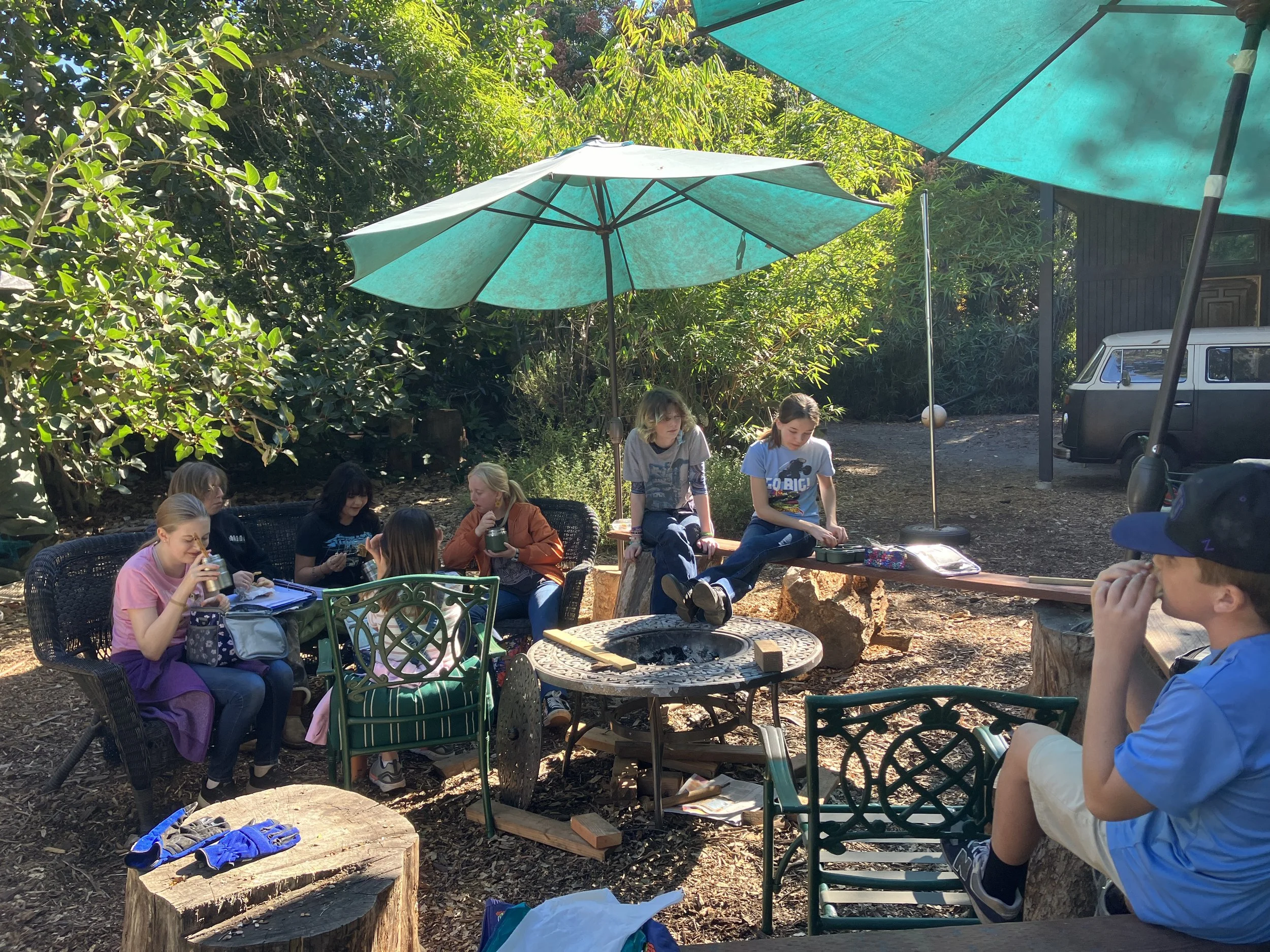
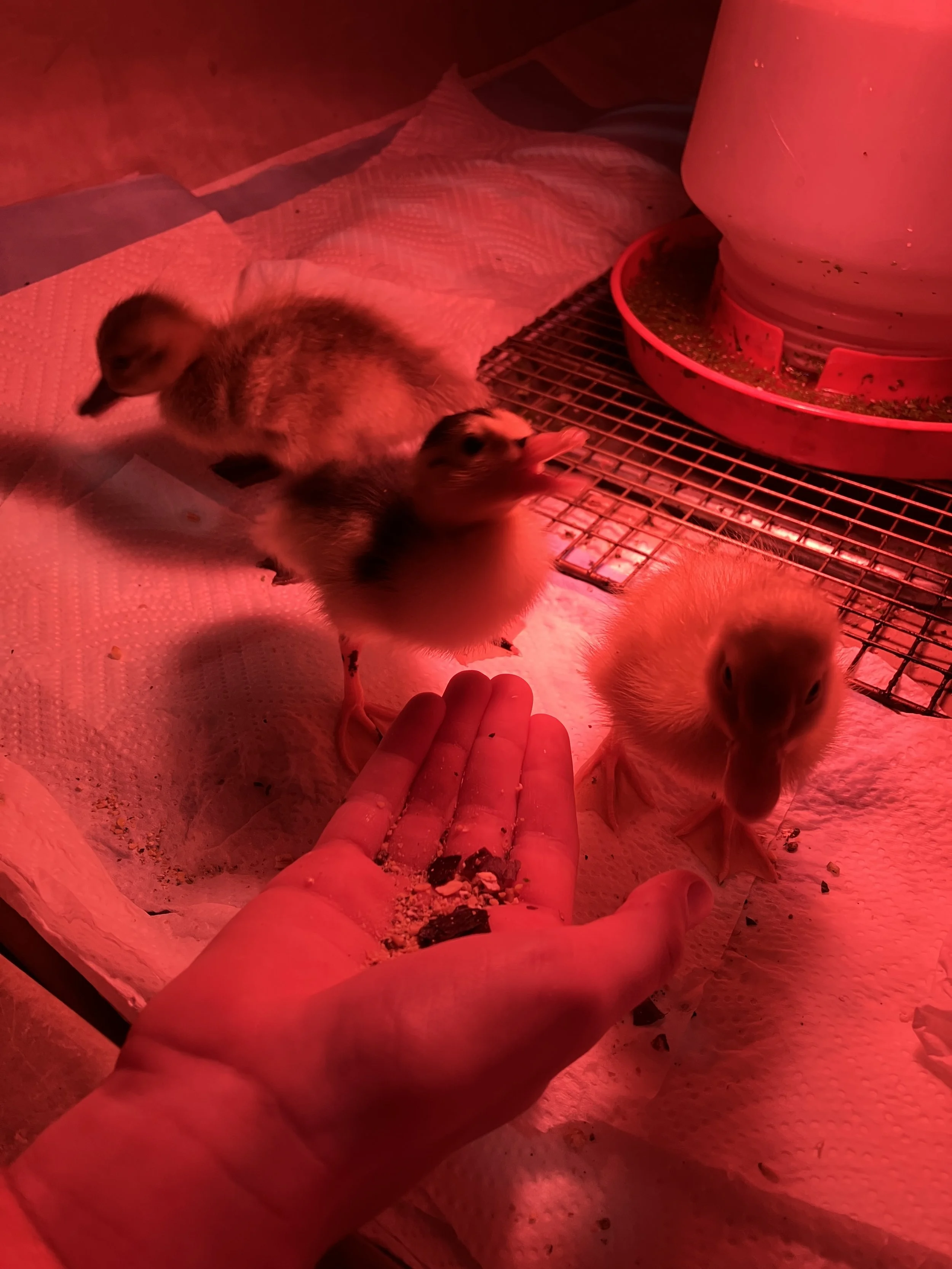


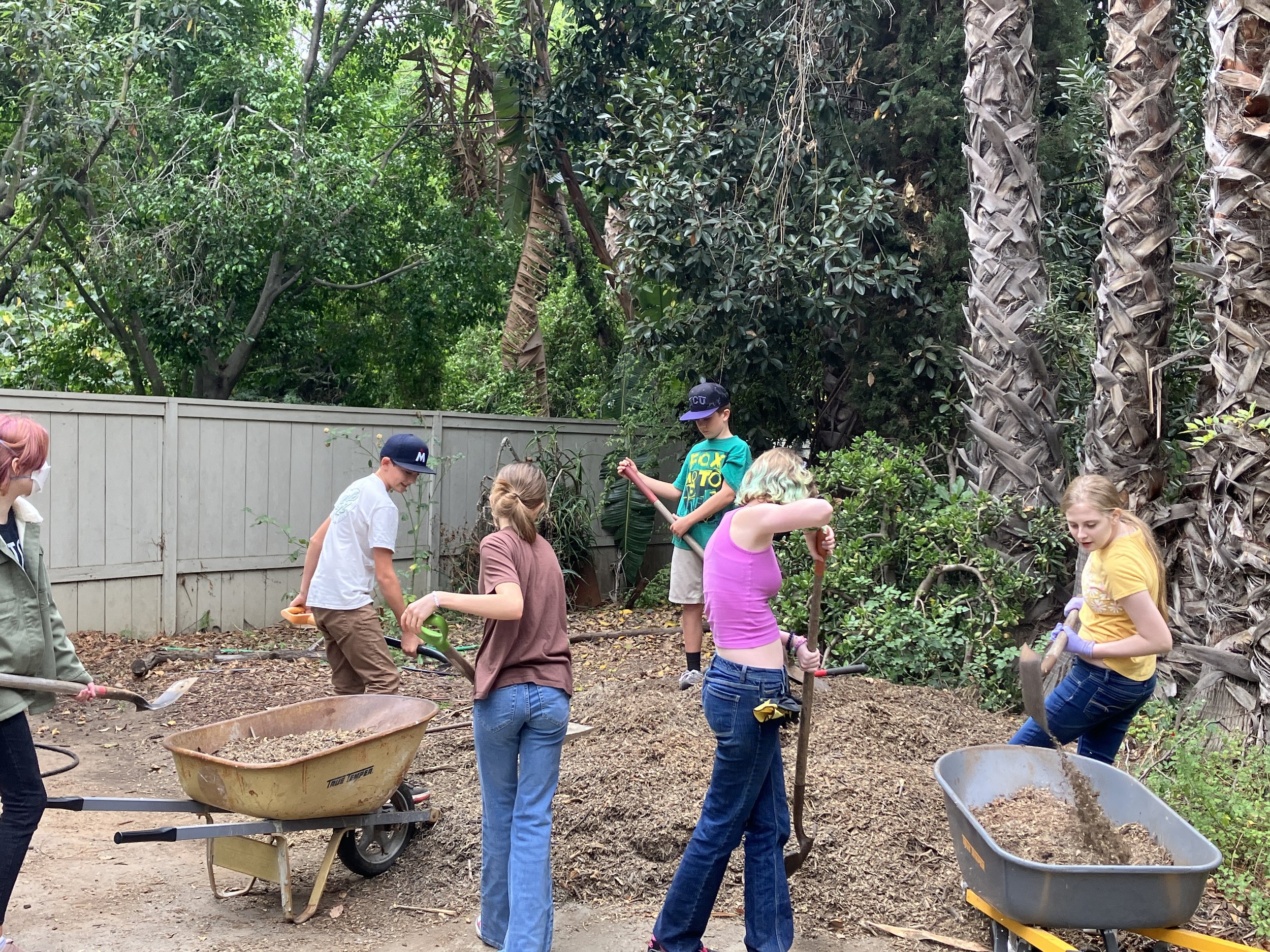


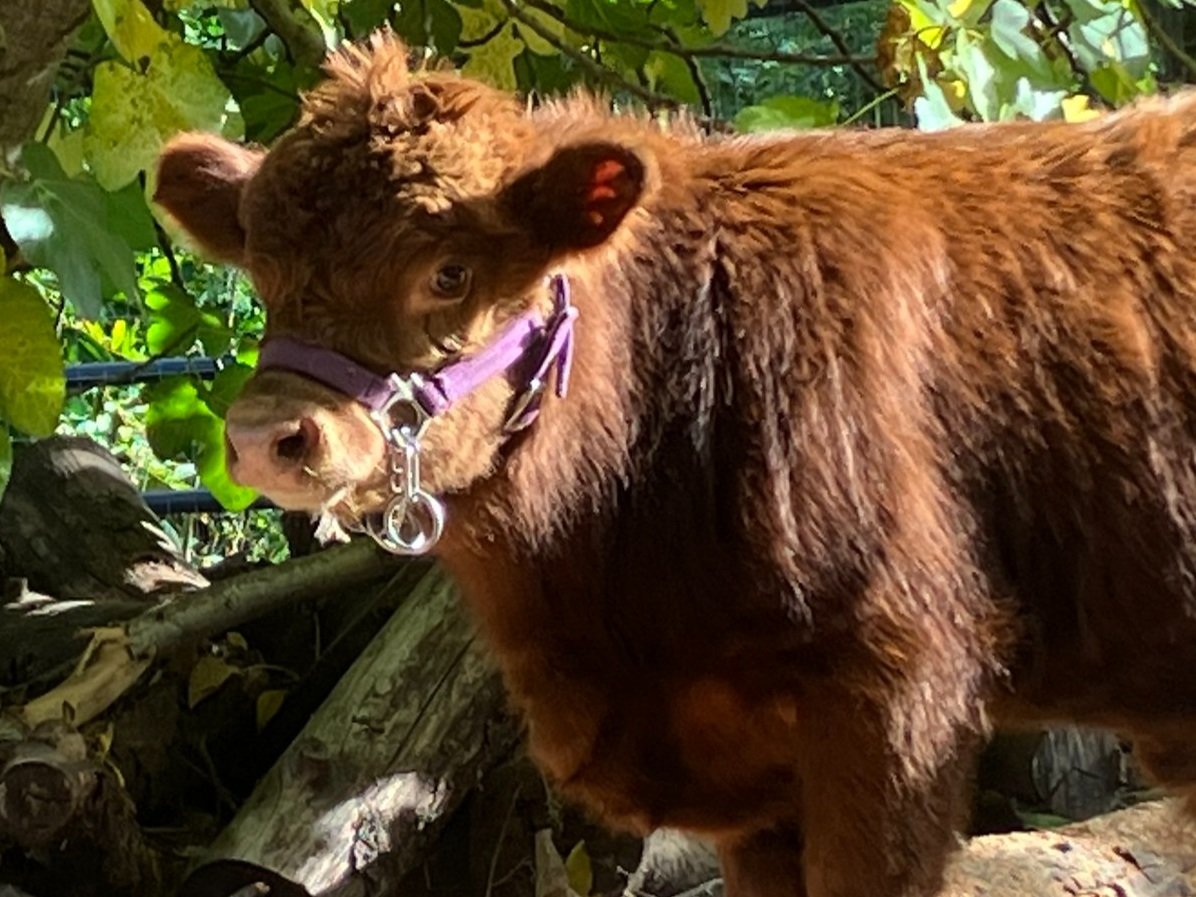
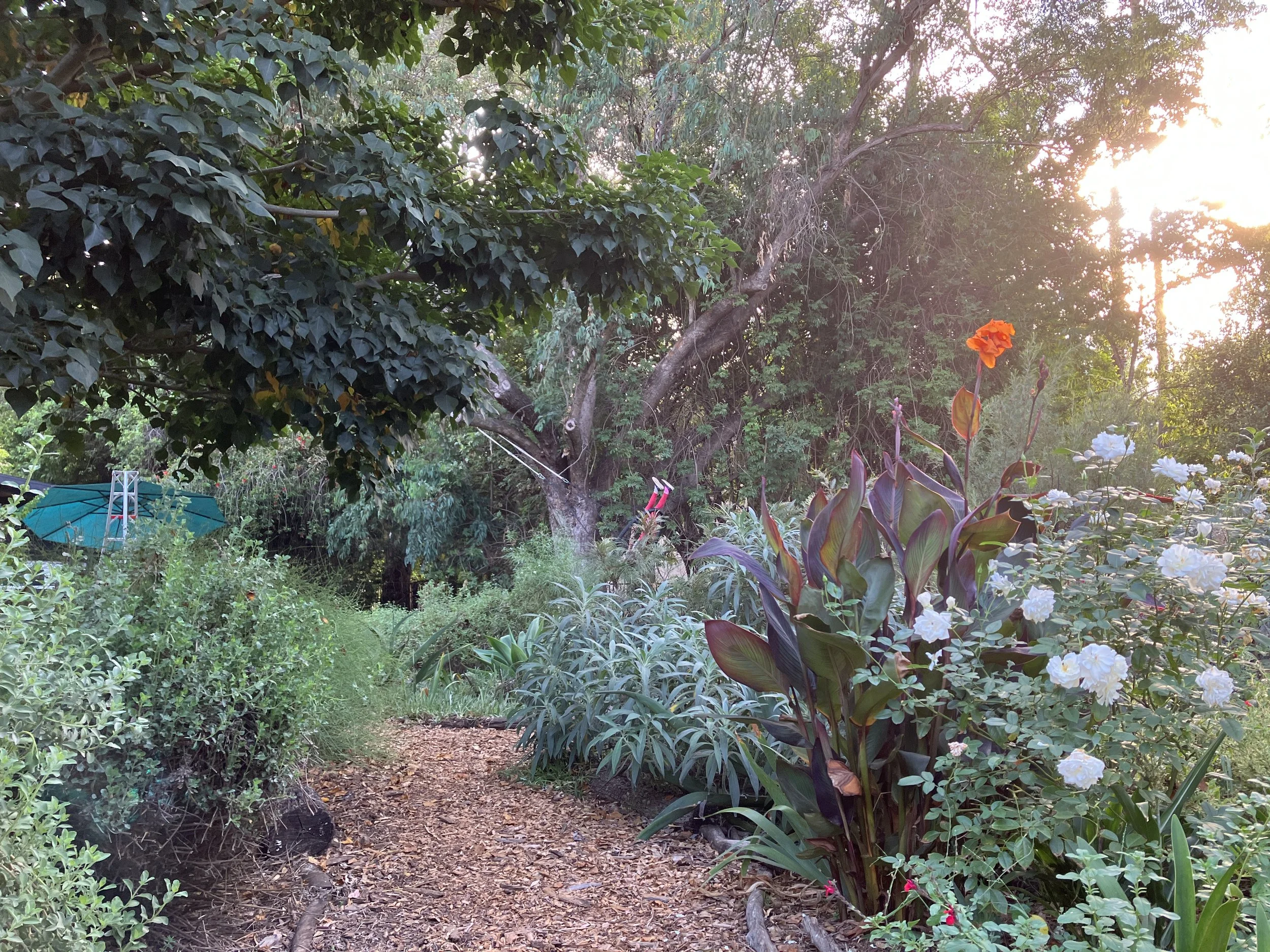

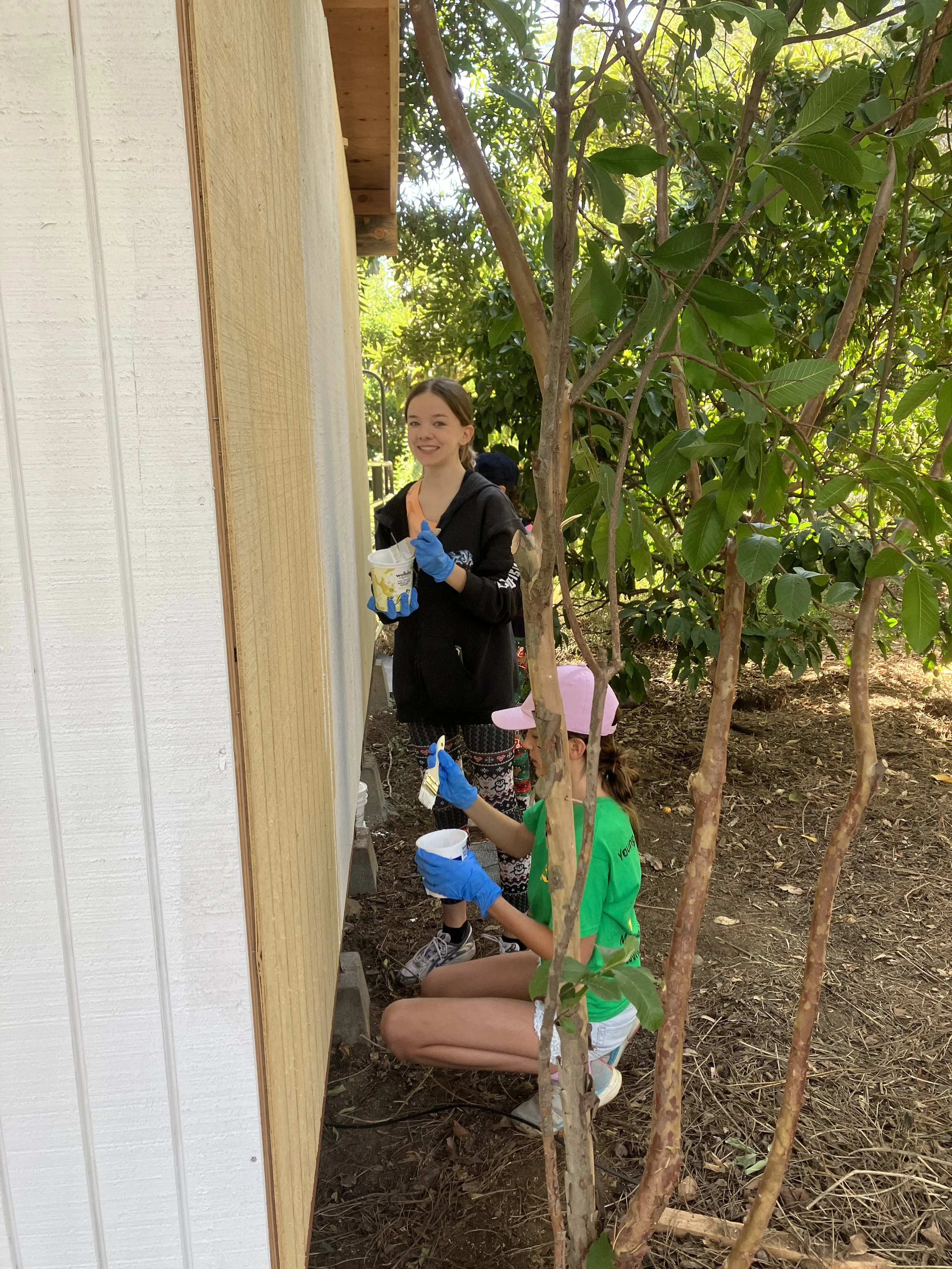
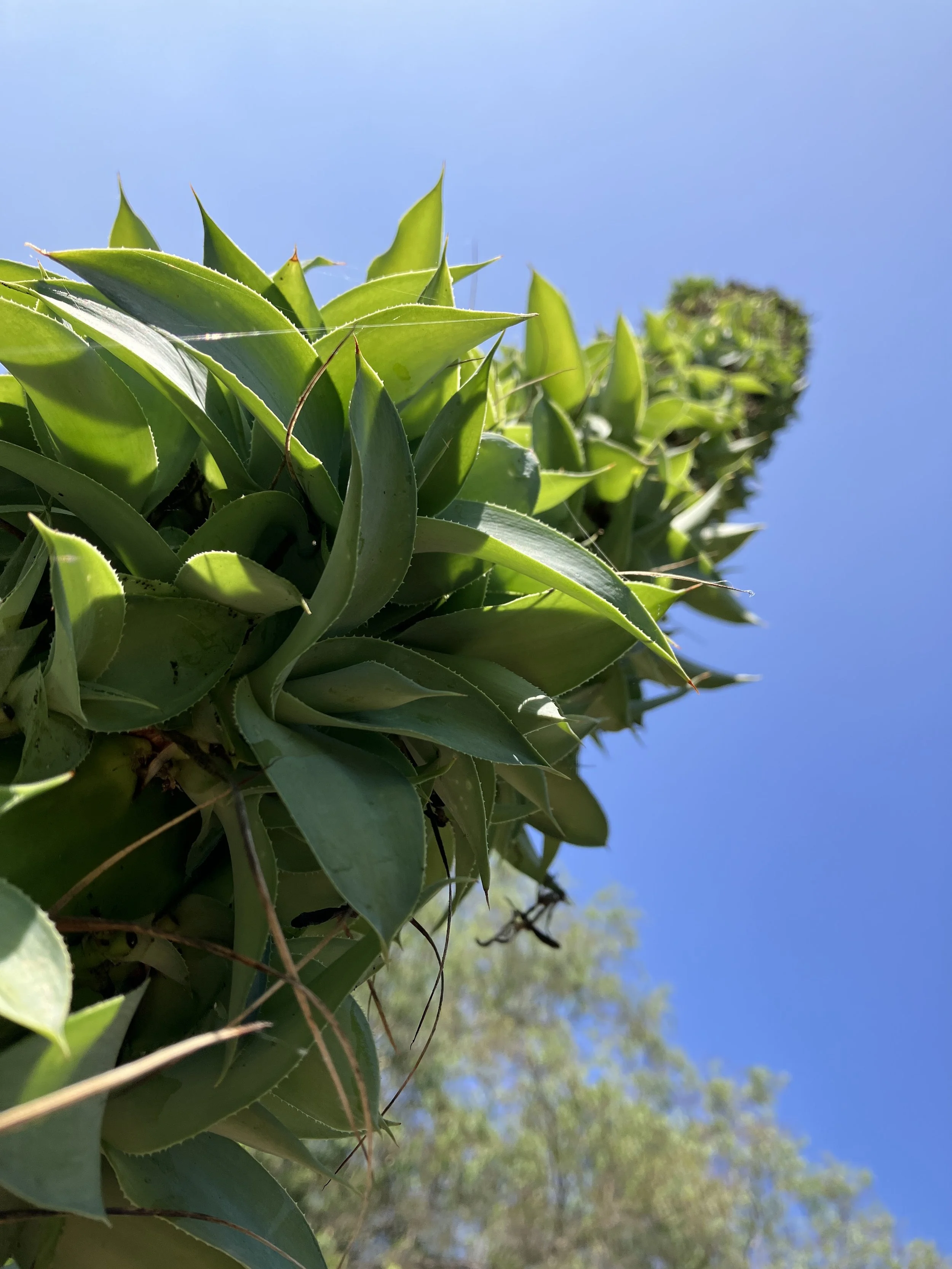
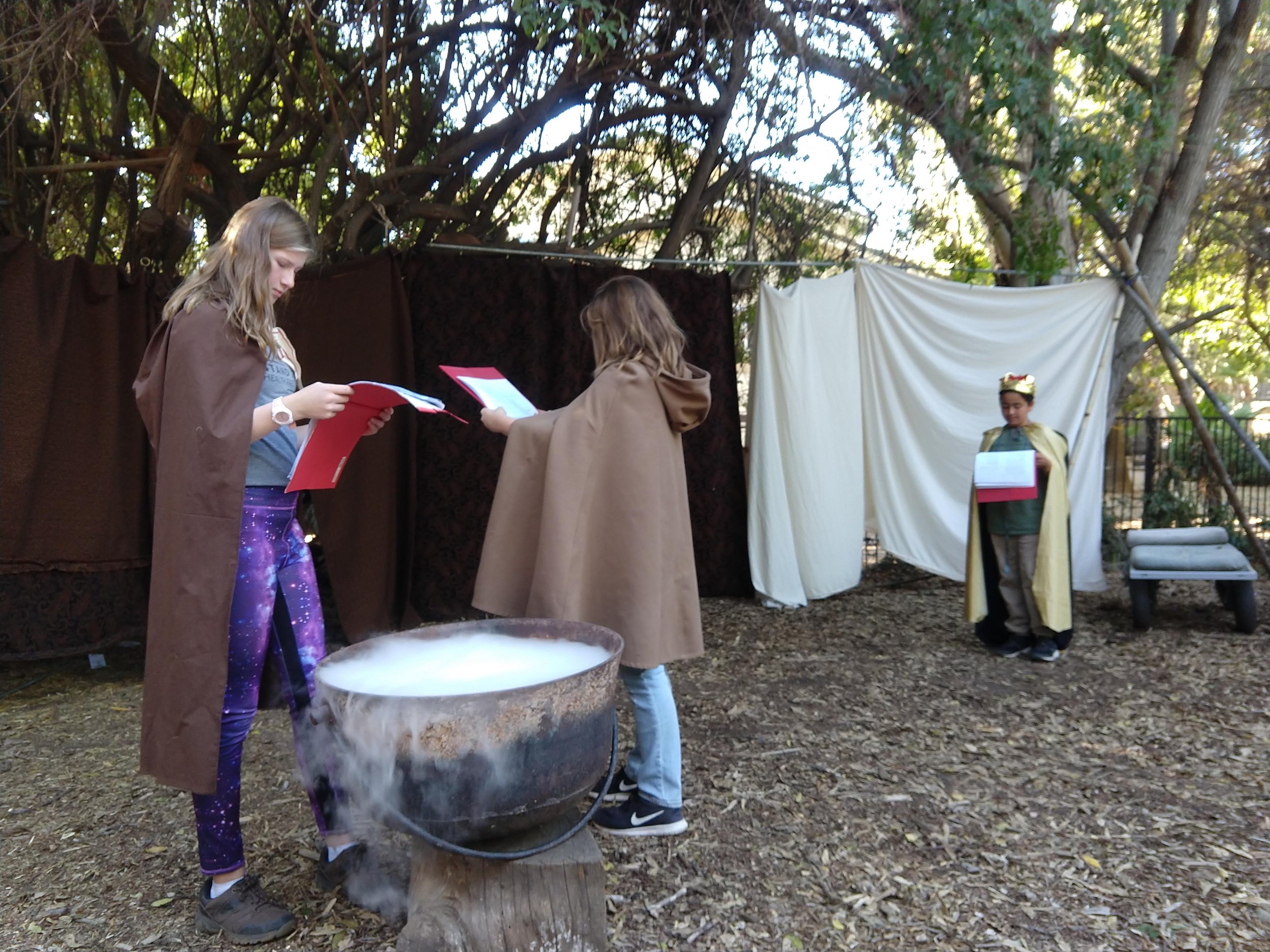


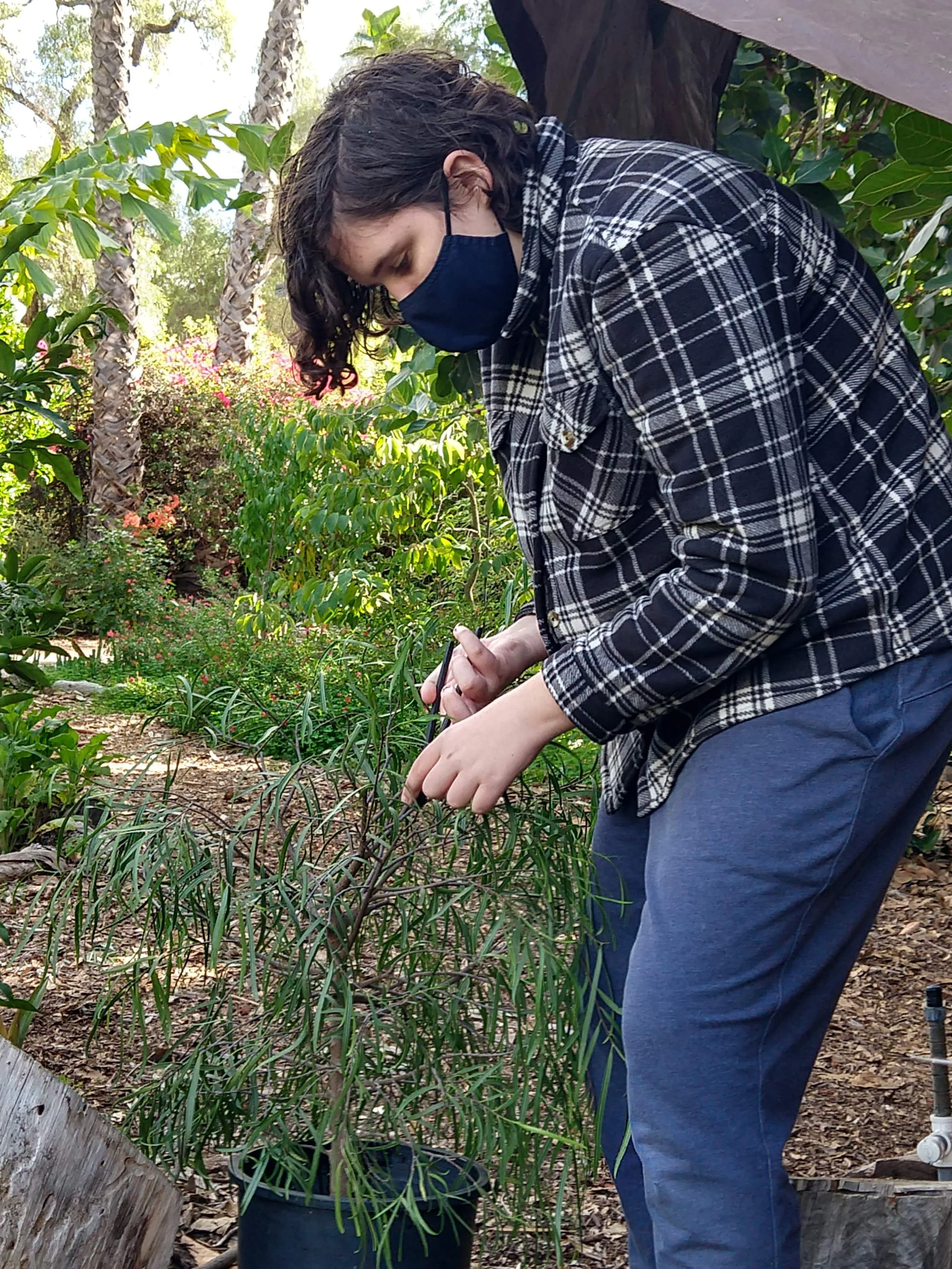
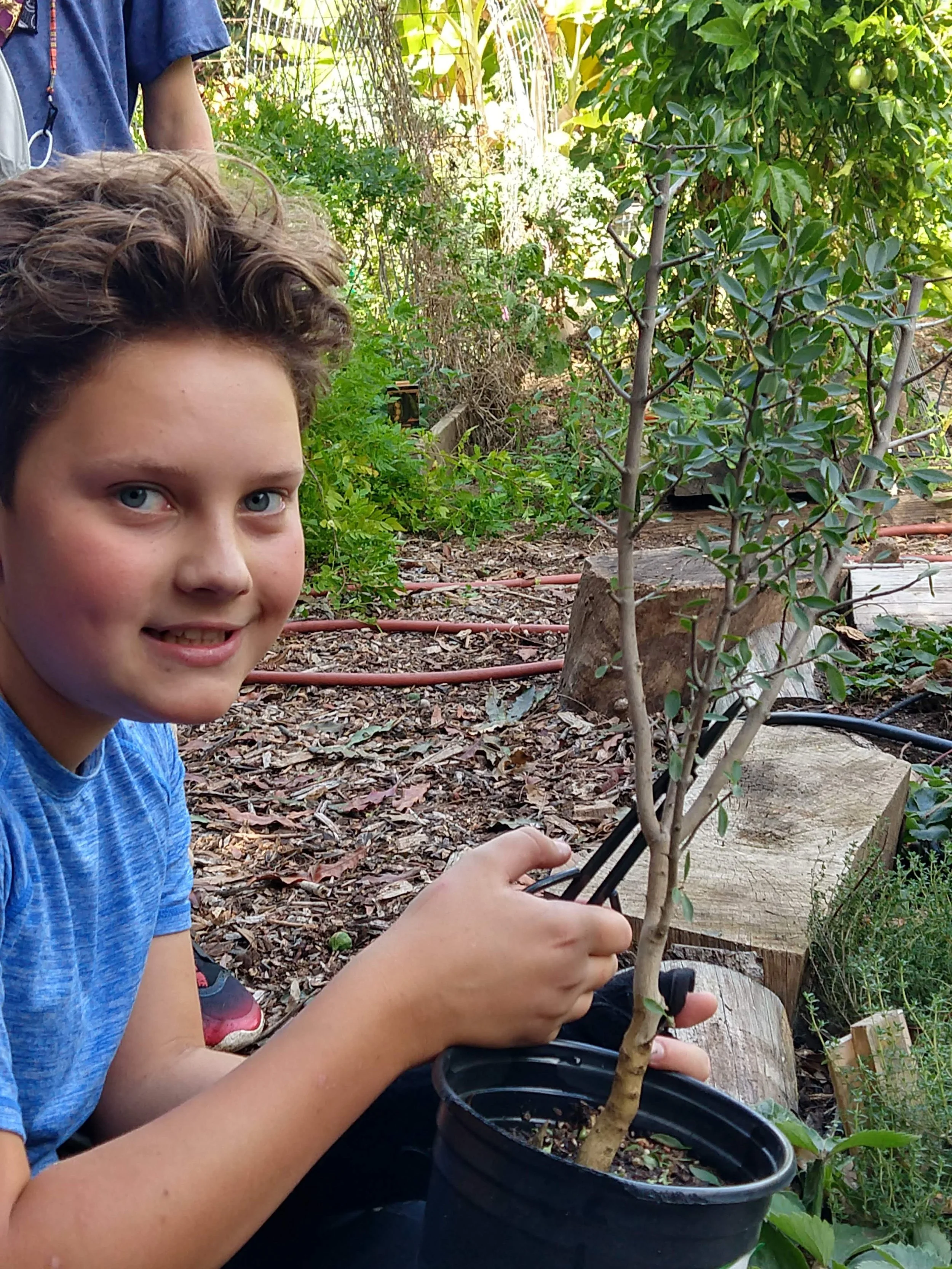
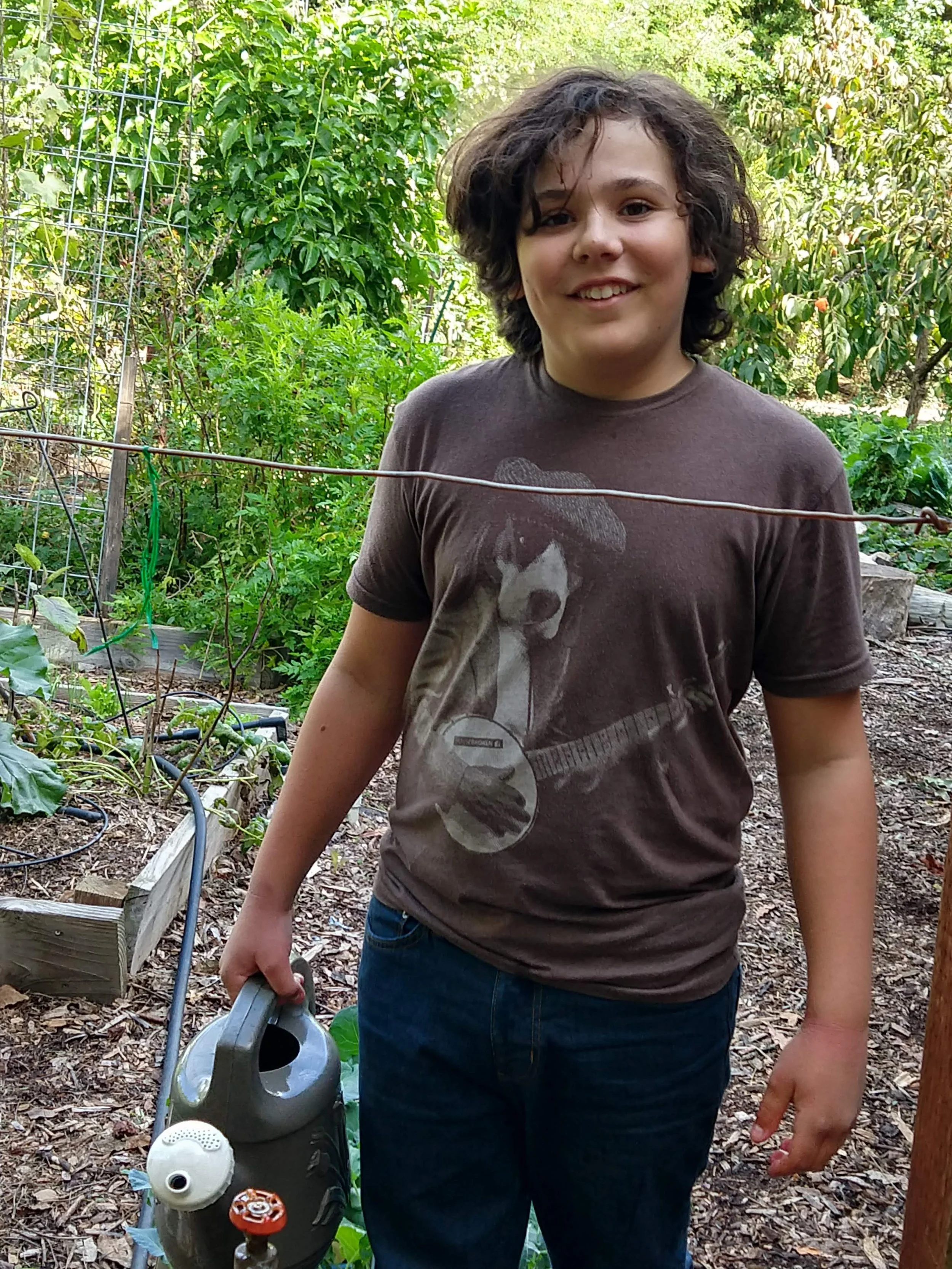


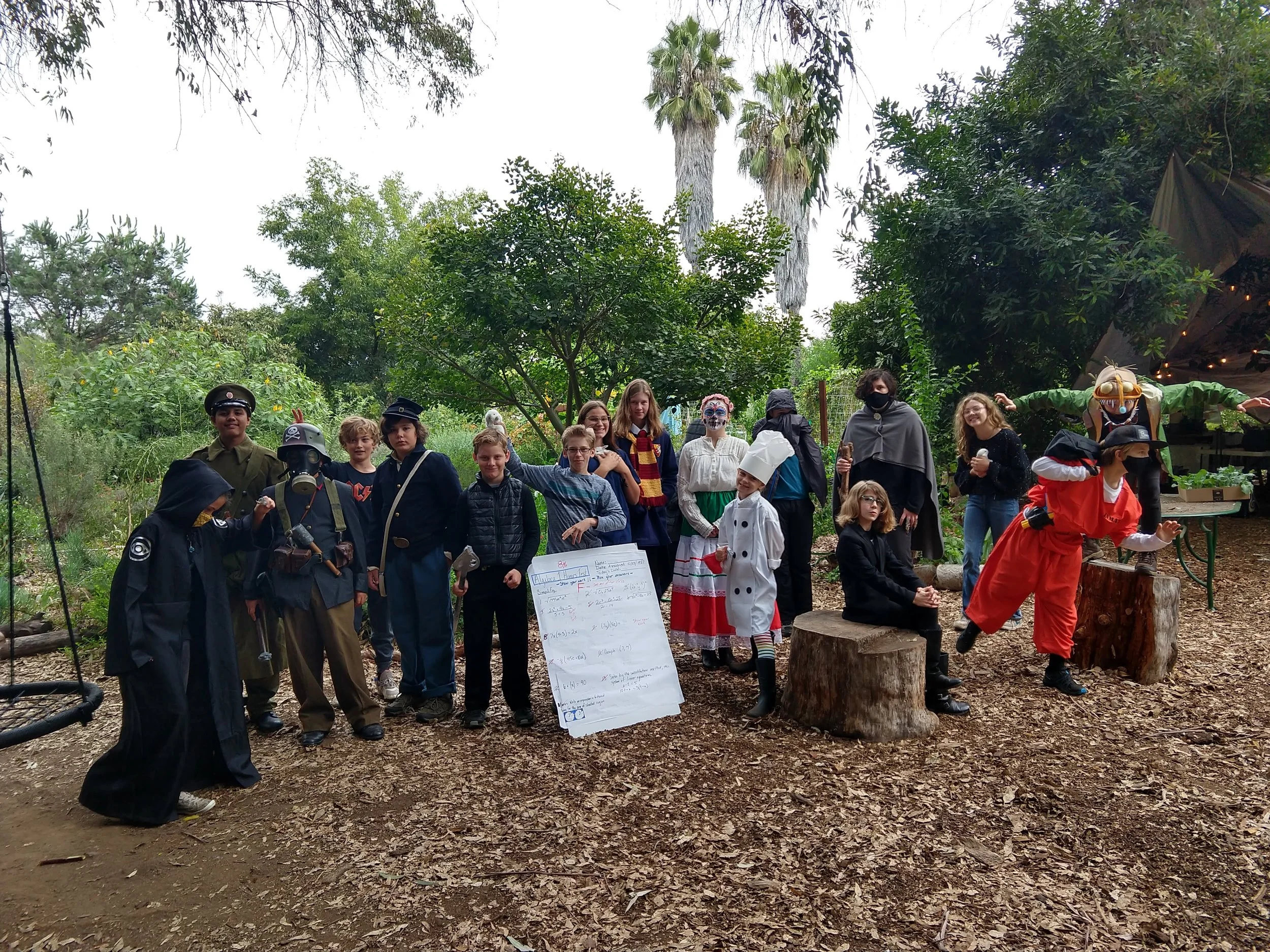
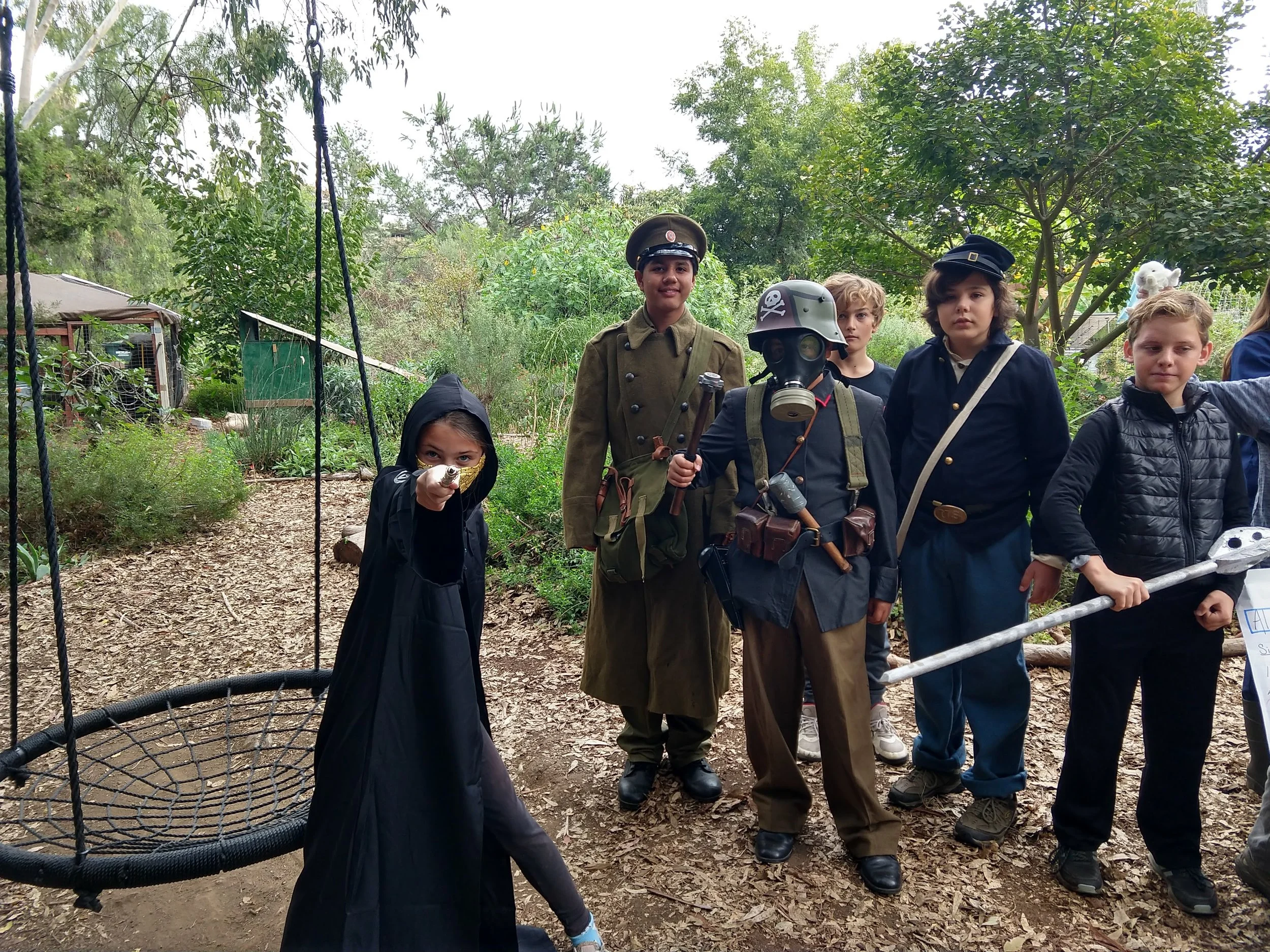
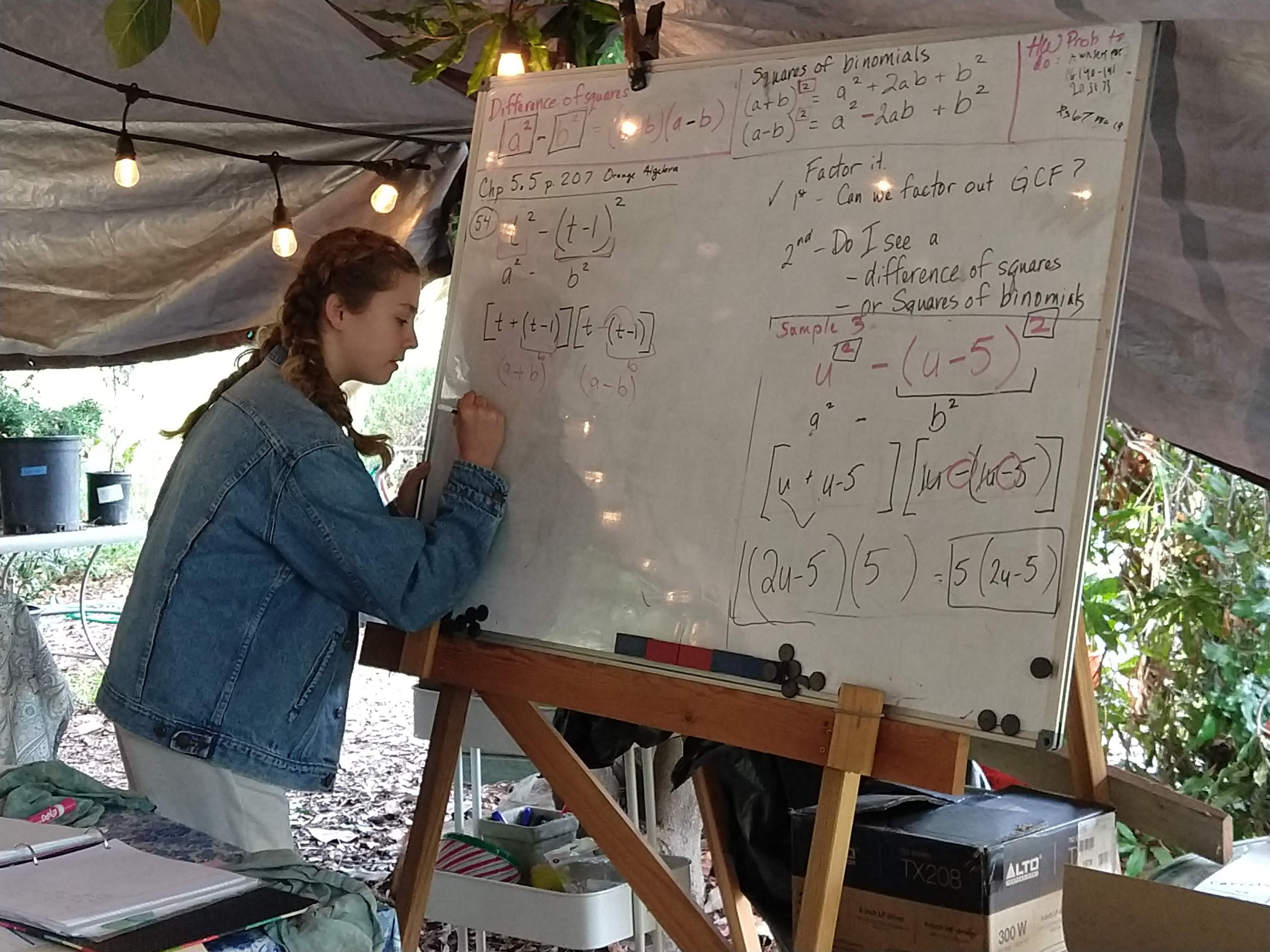
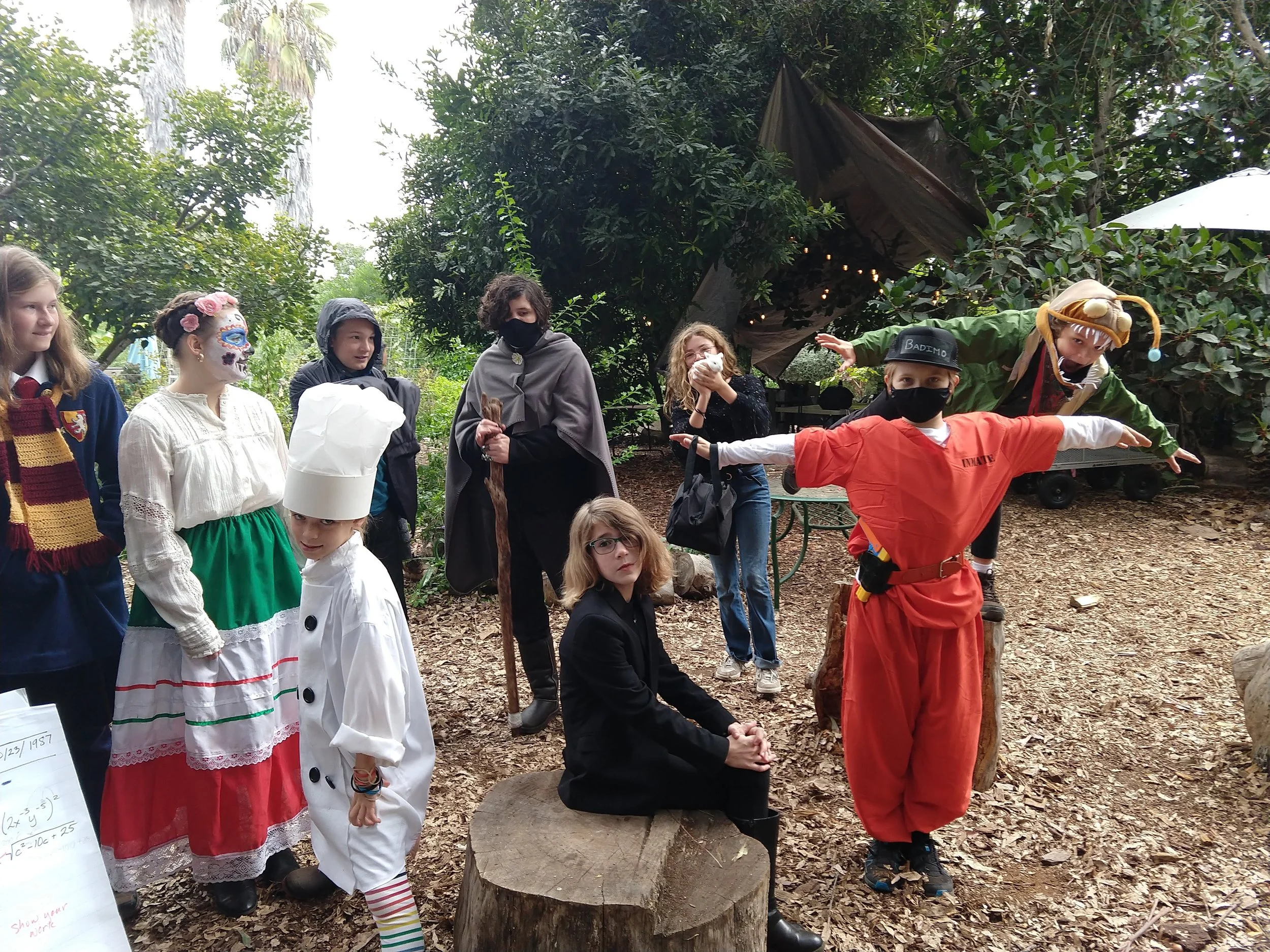
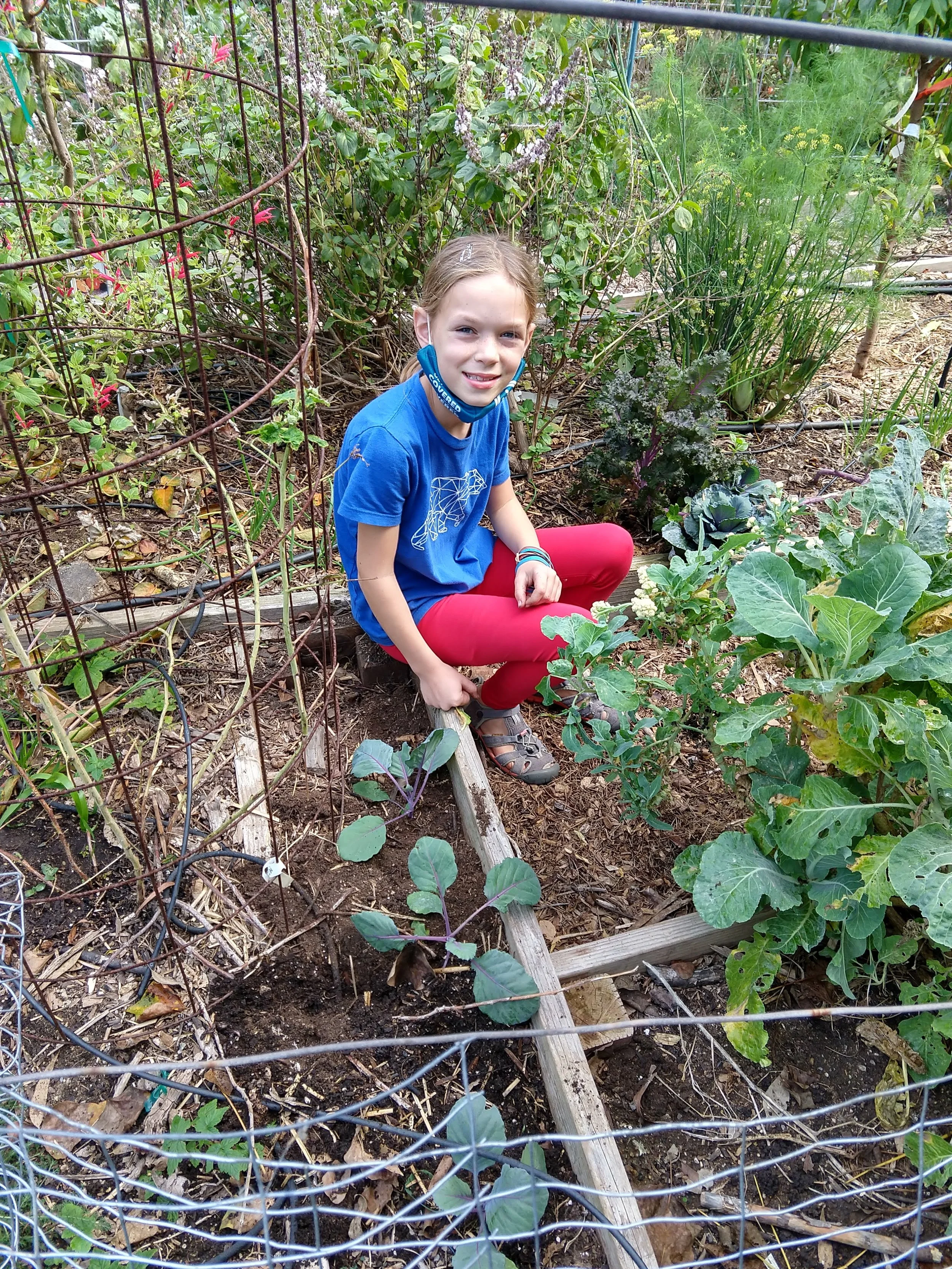

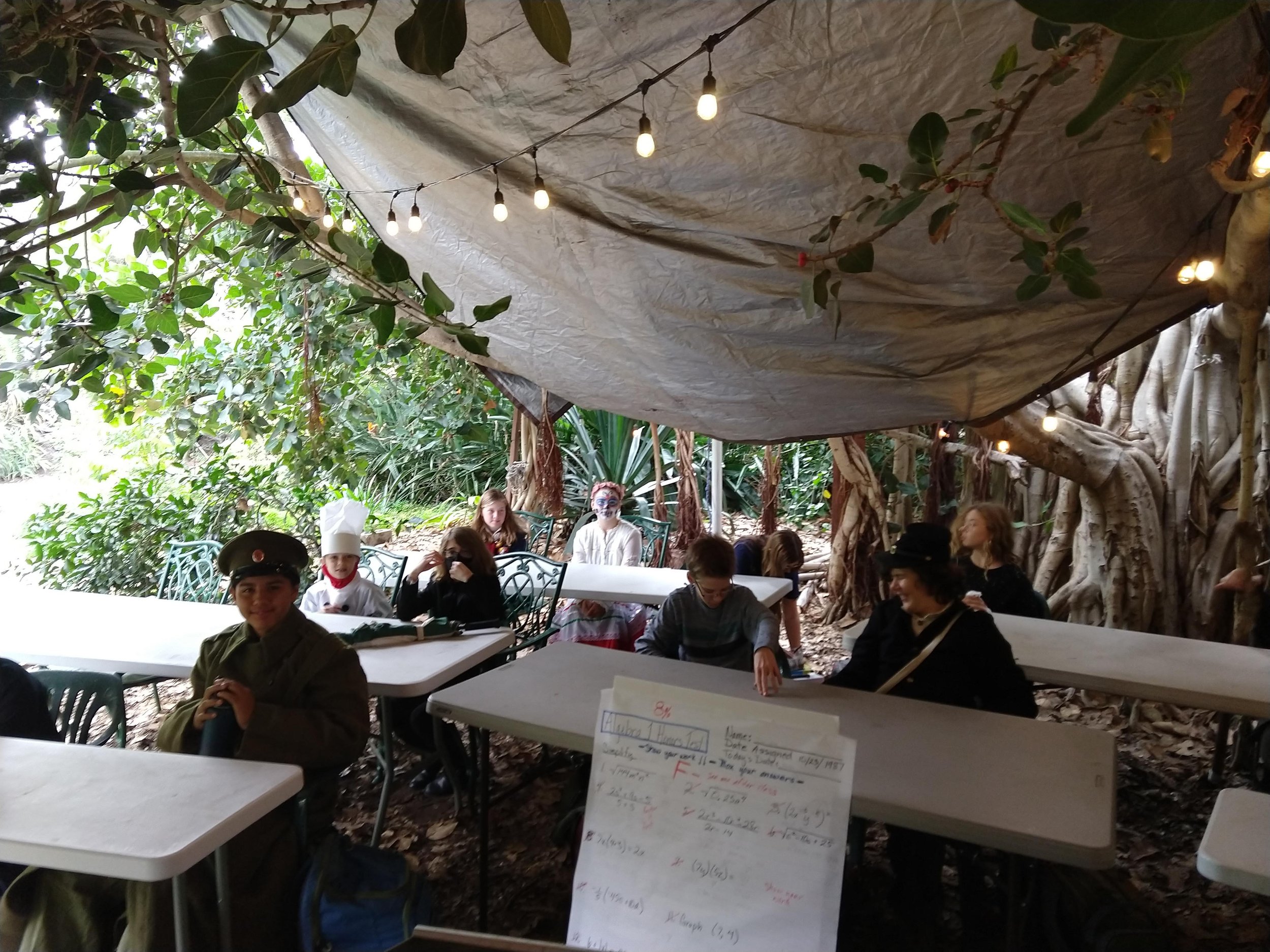
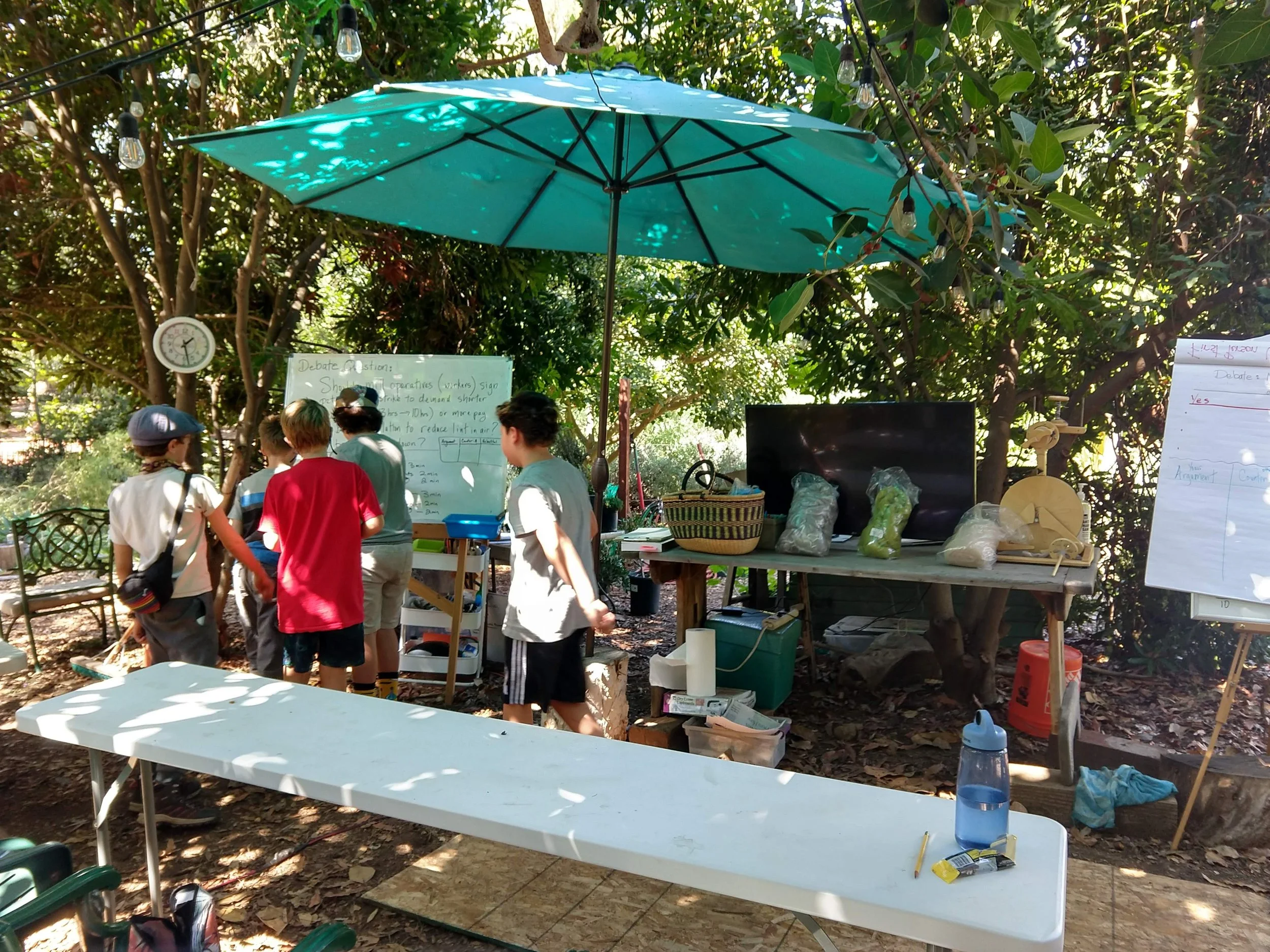
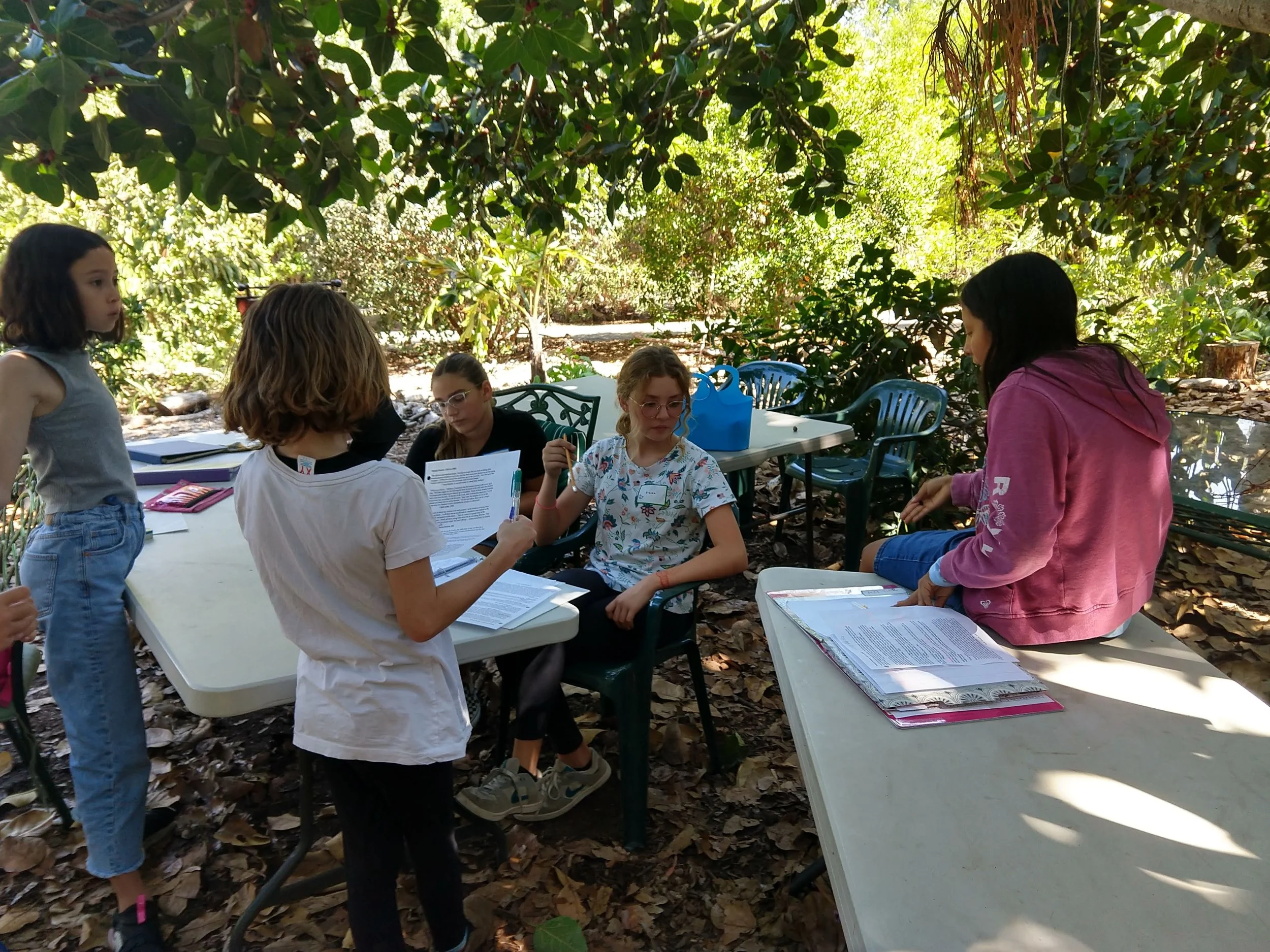
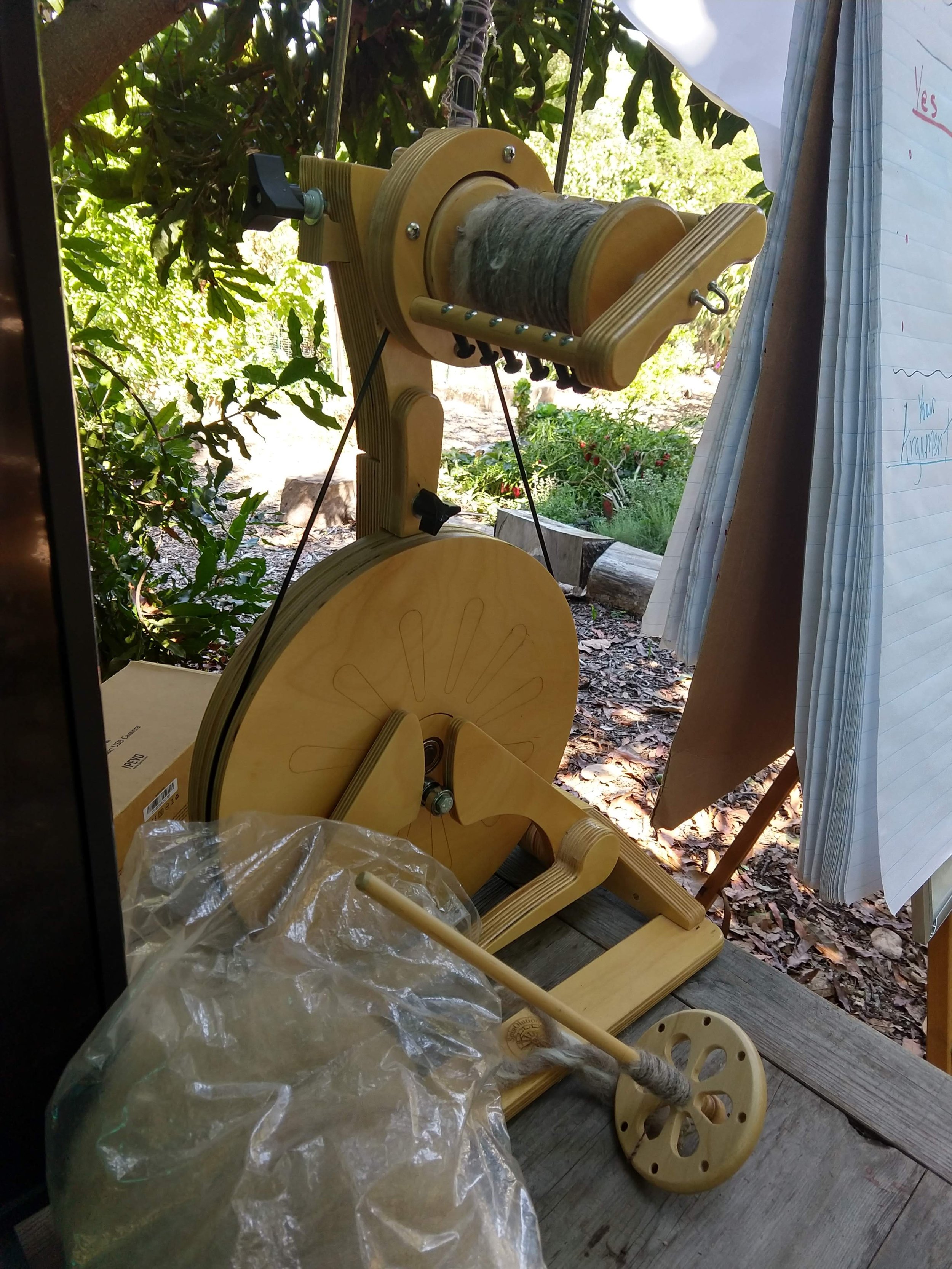
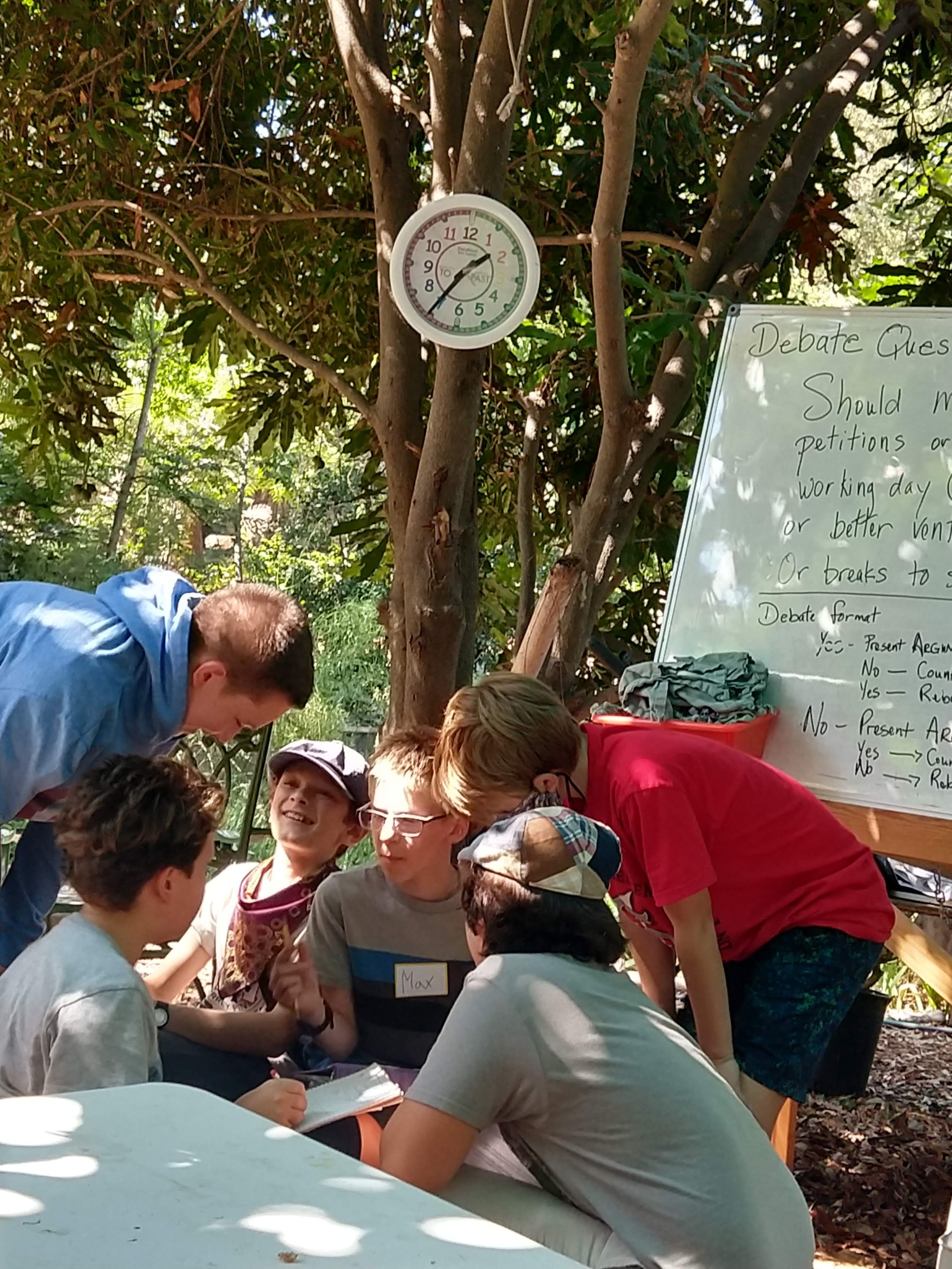

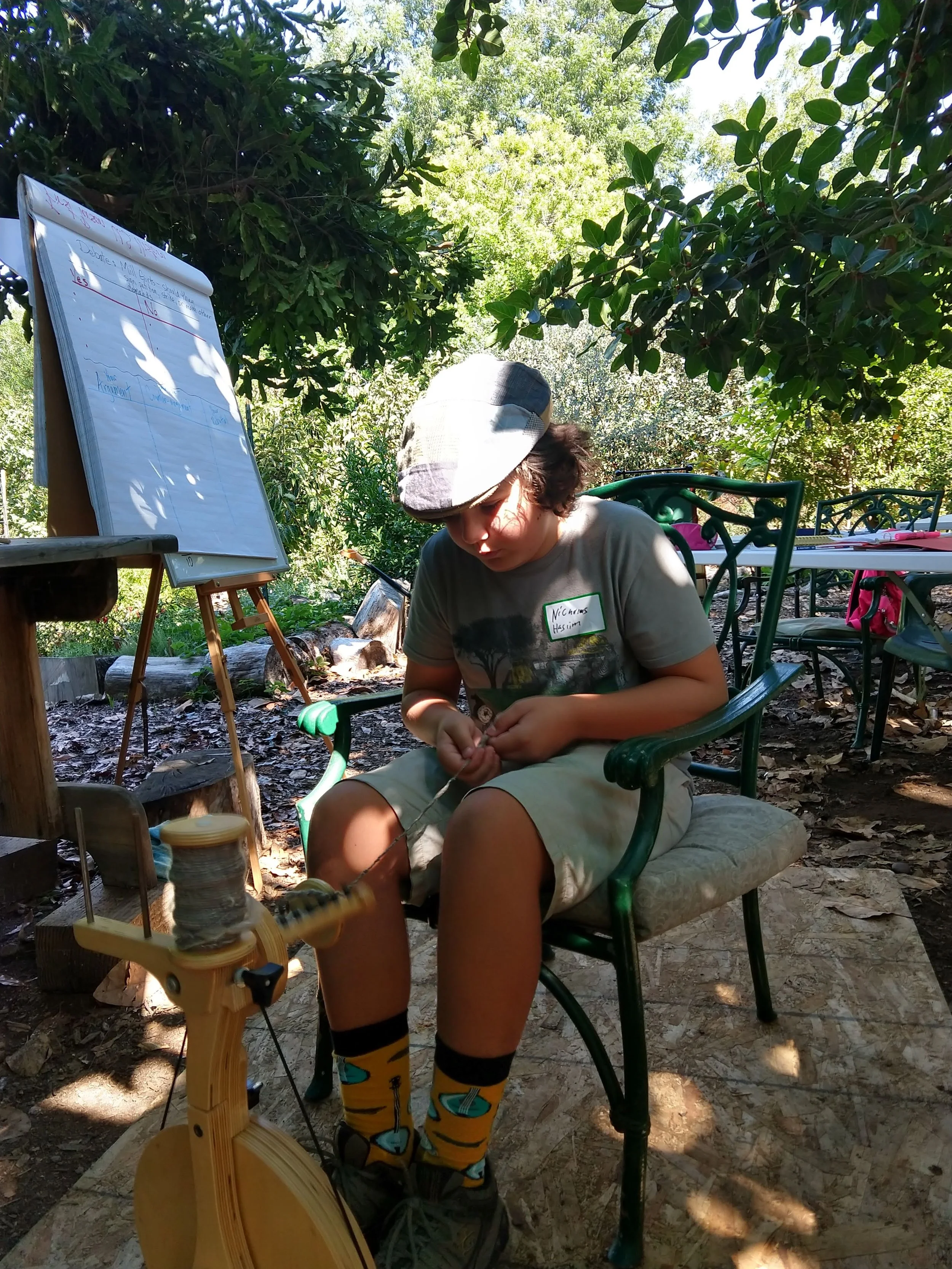
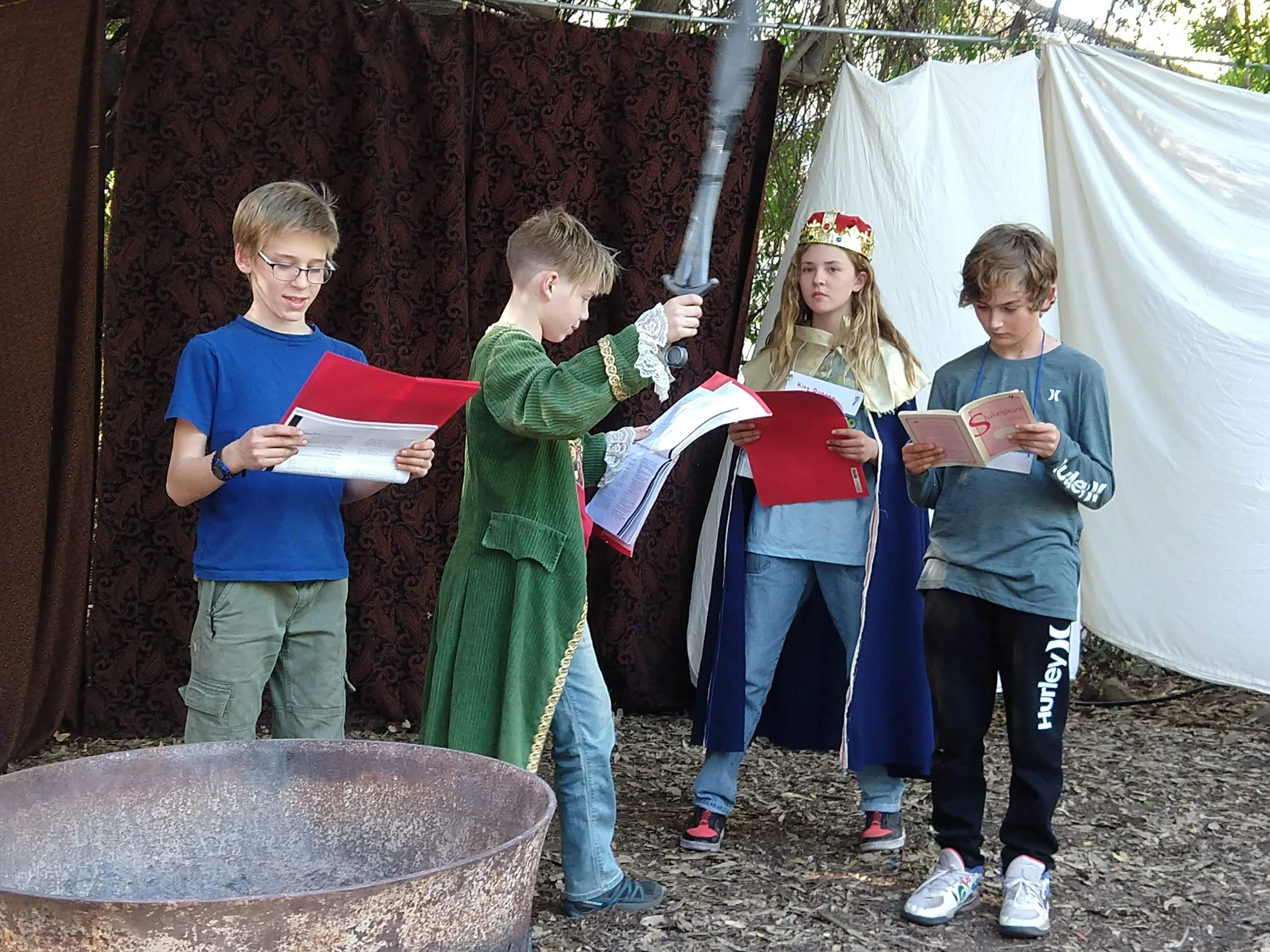
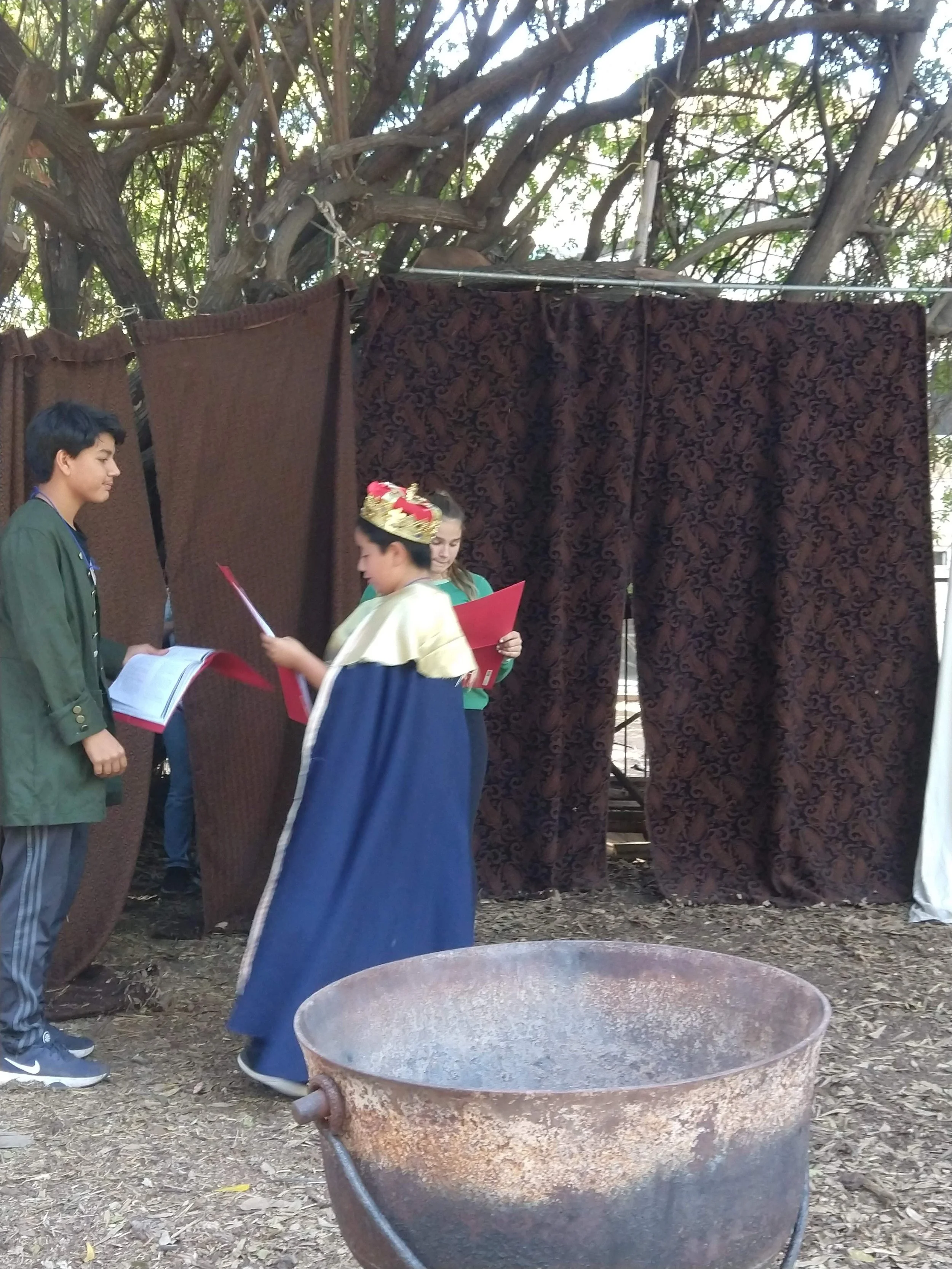
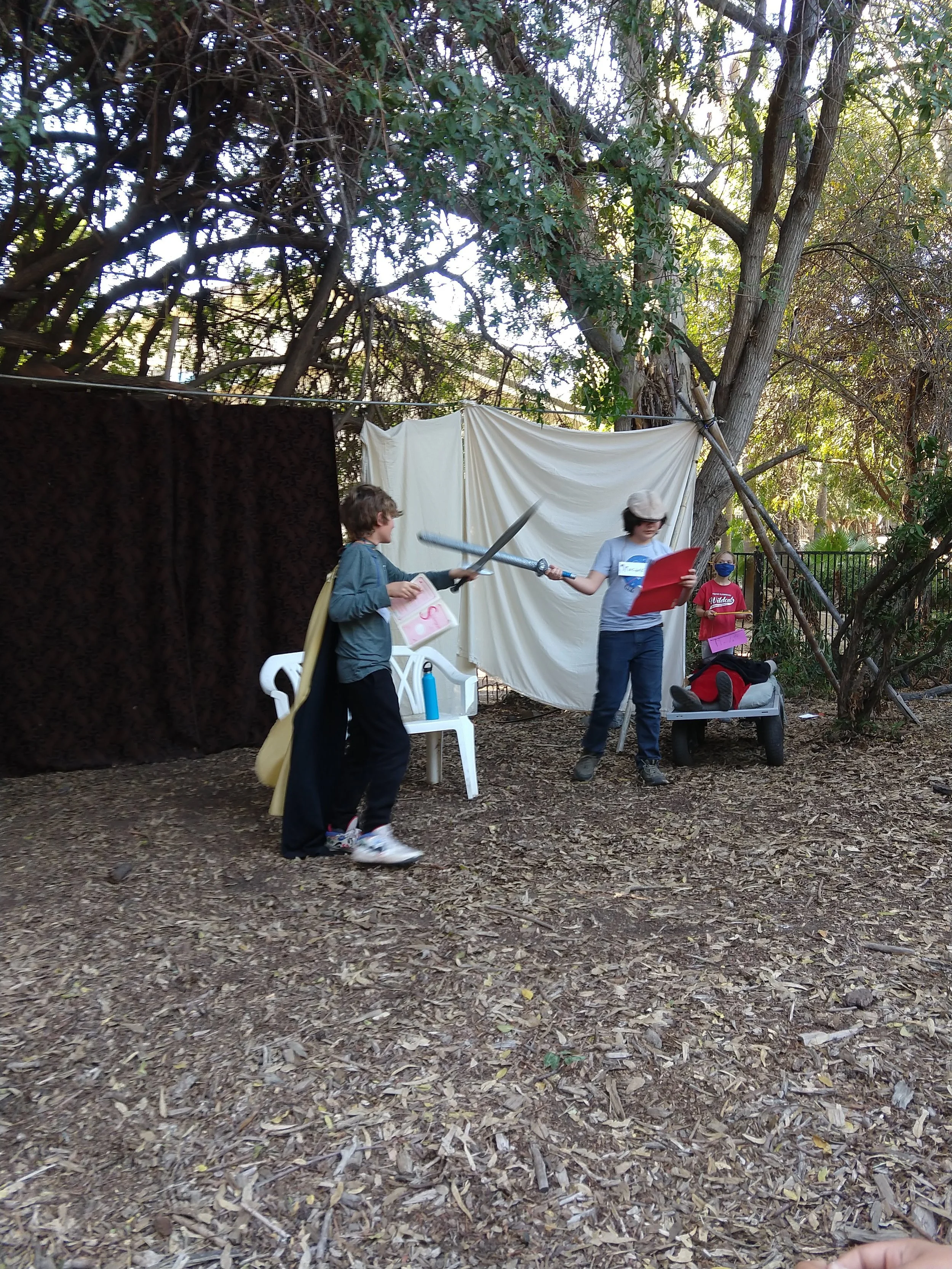
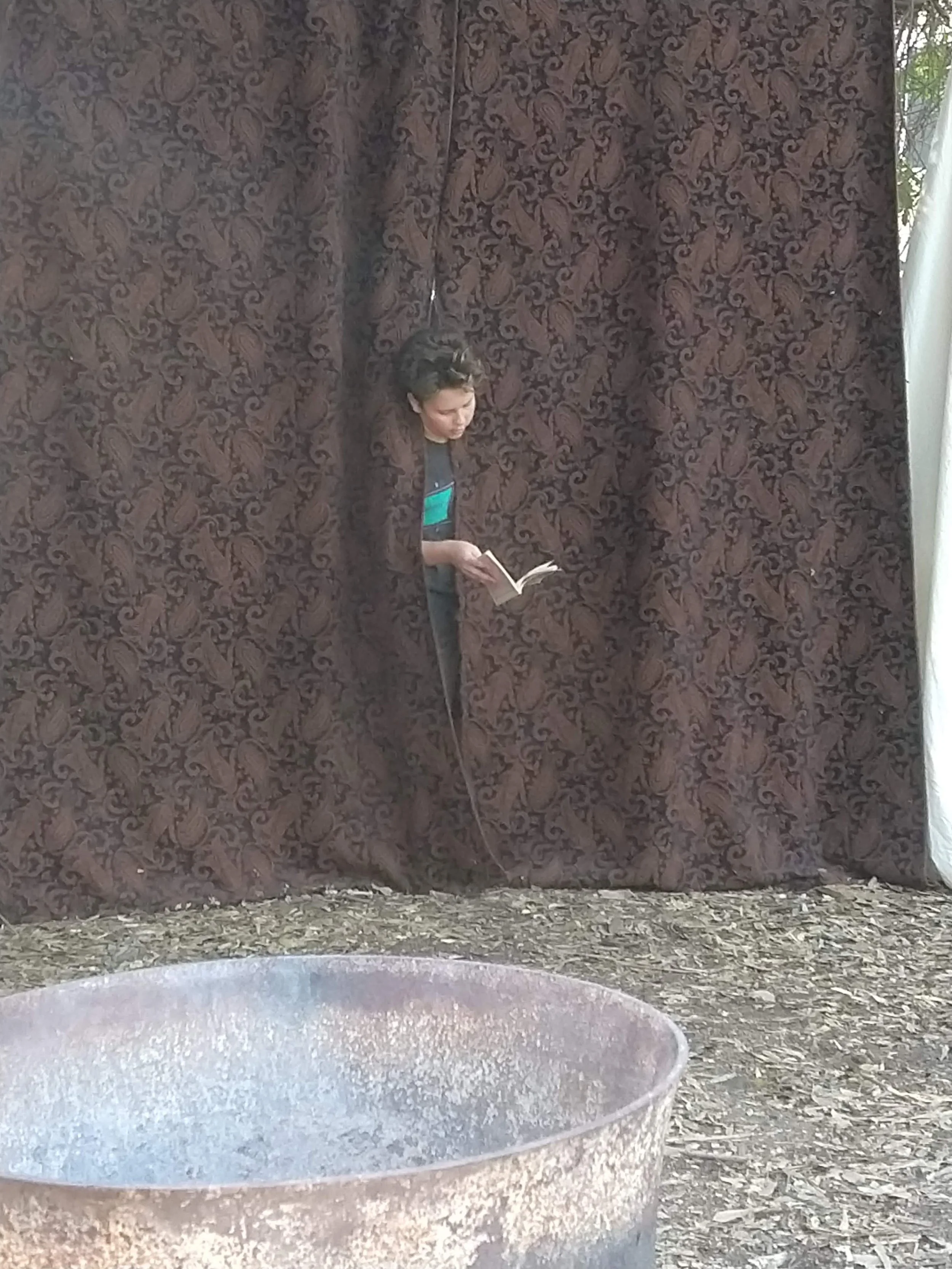

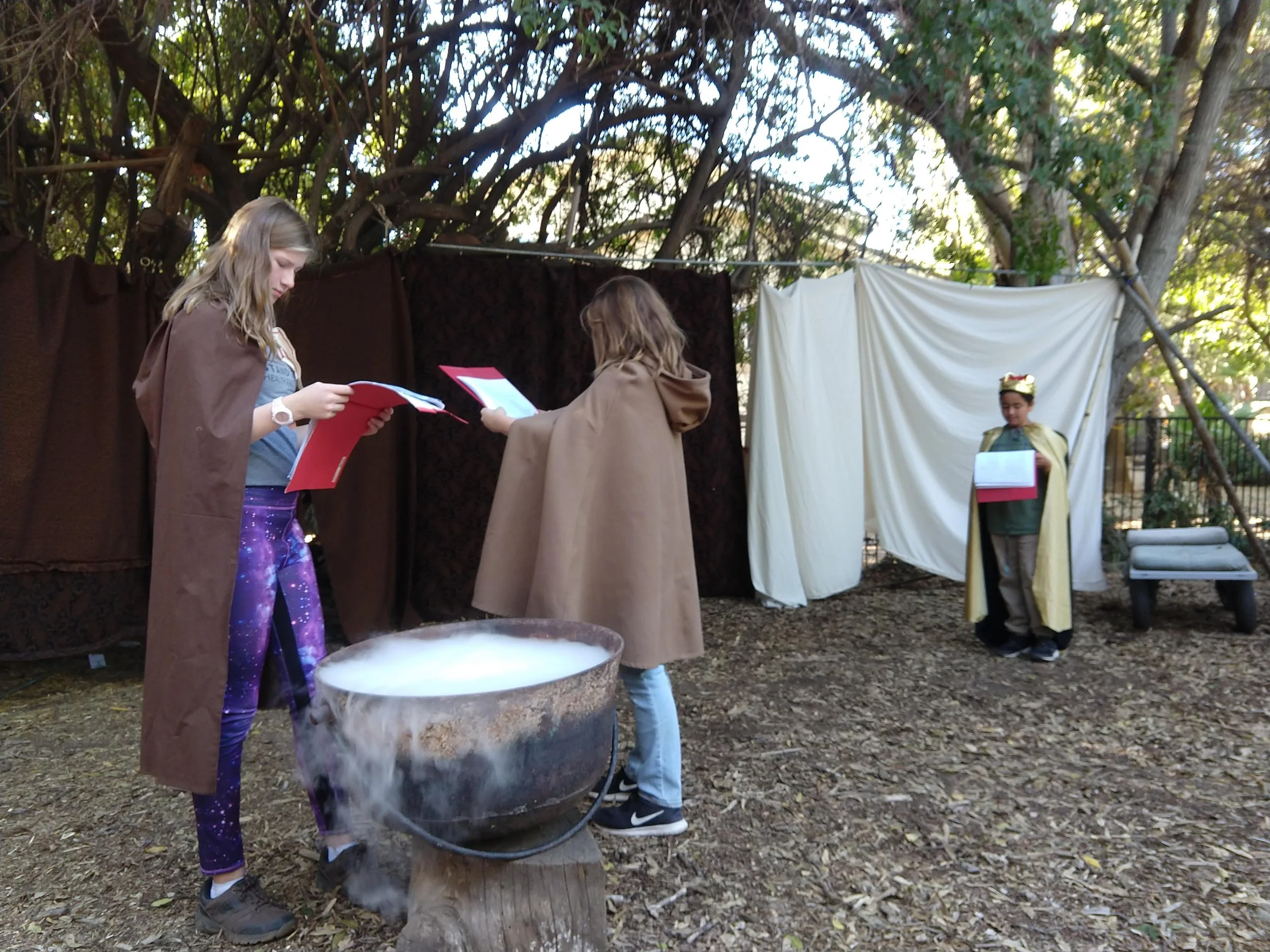

last year’s Week 1 - for reference
***Remember your gardening gloves and colored pencils— we will be using these nearly every week!***
Book Club: — See Book Club button Once you get to the book club page, click on Tom Sawyer). Scroll to Week 1 reading & discussion question assignments.
Memorize the poem you chose today. Recite it to a family member or friend. Be prepared to recite it in class next week to a small group. Remember to start by saying the title and author. Example: “Fog” by Carl Sandburg
Bingo: Create a 5 x 5 grid for a Literary Terms Bingo (We’ll add terms in class from our literary terms and definitions each week. You’re simply getting the bingo grid ready. I recommend graph paper so you can easily draw the boxes. Or lined paper with a ruler. Make the boxes big so you can have room to write the term and a key phrase or example.)
Print out and bring to class
If you forgot to print out the Analogies Set D from WordMaster page last week, do that now.
You’re earning Excellent Learning Habits Tickets by doing this homework.
Classwork Summary
Get to know you & introductions: What are you good at or into and who else shares that apptitude or interest. We have lots of musicians and artists in our midst!
Basic FS procedures — Excellent Learning Habits tickets for homework + safety procedures Including showing them a picture of worm parasites on pig feces, the eggs of which lie dormant in any soil that has had livestock on it and which can get into humans if we fail to WASH OUR HANDS before we eat or stick our fingers in our mouth. You’re welcome, moms.

Analogies: as part of our word analysis we are beginning to review 16 types of analogies. Analogies are relationships between word pairs such as synonyms, antonyms, part:whole, user:tool, increasing intensity etc. During the first week of October we’ll get our first list of 25 challenging vocabulary words to master for the national WordMasters Challenge.
Zoology- cattle: informal introduction to Dexter cattle, the original miniature cattle breed. Our steer, Willoughby Brisket will be delivered after Thanksgiving. I touched on genetics, namely the basics of dominant and recessive alleles genes in determining whether a cow is black or brown (called dun): brown is a dilute of black and is recessive. Gave an overview of how the dwarfing allele affects bone cell growth, shortening primarily the leg bones (this allele is lethal when two of them are present- the fetus naturally aborts around 7 months of gestation). This is condition is called chondrodysplasia. Discussed what it means that Willoughby is a steer: his testicles have been removed in a process called castration and that this is done to reduce aggression in large domesticated animals such as cattle and horses. (In pigs it is done to prevent boar taint smell/taste in the meat but that is not a problem in cattle , interestingly.)
Farm Work: New Farm School students paired up with FS veterans to learn how to care for the living organisms that call Farm School home. Students worked together to feed rabbits, harvest live invertebrates from the vermiculture/compost bed to feed the fish, feed those same invertebrates, feed the chickens, trim gazanias to widen the central path, shovel mulch as bedding for the chicken coop, harvest macadamia nuts.
Book Club: The Elephant Whisperer
Poetry:
Literary terms and definitions: sensory details, onomatopoeia, metaphor, simile, personification, stanza, rhyme scheme, alliteration, assonance, parallelism or parallel structure, concrete poems.
Students read and analyzed Hello, Ocean by local author Pam Munoz Ryan looking for the above literary devices. This picture book is a beautiful poem about our own stretch of the Pacific Coast. Discussed how these literary devices bring layers of meaning to the work. Compared the poem to our own experiences at the beach.
Students choose a poem to memorize for this week from a two page handout. Each week students memorize a poem and most weeks I give them a new handout with poem options for memorizing. We’ll also analyze many of these poems over the course of the year. Discussed techniques for memorizing including: reading, reciting in chunks, writing it down, quizzing self later in the day, singing it to a tune, adding actions to the words. We’ll recite this poem in class next week.
Latin and Greek Stems: Students made flash cards for common “A” Latin and Greek roots and prefixes: auto, a/an, aster. These flash cards include mnemonic devices they created to help them memorize the meaning of each stem. Students will use these flashcards to quiz themselves.
Handouts: Literary Terms Definitions, Poems for Memorizing pages 1 & 8, Stems Flash Cards Set #1 A-D & worksheet for A-D
Coming Up in the next two weeks:
Science:
Intro to chemistry for biology— everything is made of matter, elements, mixtures vs. compounds, subatomic particles, elements predominant in living organisms.
Intro to waterfowl anatomy and physiology and raising from day old ducklings— we’ll be selecting duckling breeds
Writing: Interviewing and writing a short biograph of a classmate then delivering that bio as a speech to introduce them to the rest of the class.
Poetry: metaphor and simile
Book club: plot map and discussion of Using textual evidence to support claims.